
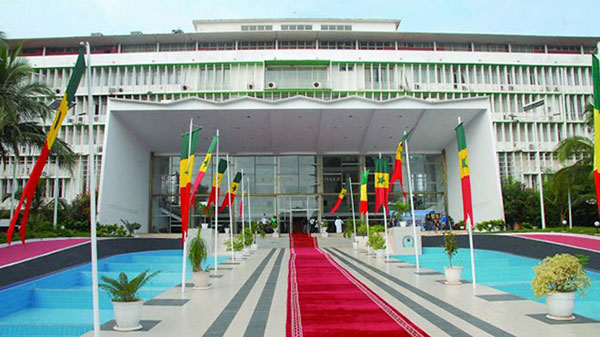
Sénégal: Assemblée Nationale Rejette 19 Budgets Ministériels
Summary
- Senegal's National Assembly Finance Committee rejected at least 19 ministerial budgets for 2027 on November 12 and 13.
- Key ministries affected include Interior, Justice, Telecommunications and Digital, and Urbanism.
- Reasons for rejection include credit reductions and reliance on a previously rejected 2026 Rectified Finance Law.
- Deputies cited concerns like reduced public security resources, prison administration cuts, and inconsistent telecommunications forecasts.
- These rejected budgets will proceed to a plenary session for further review, with the government yet to comment.
Key Ministerial Budgets Rejected by Finance Committee
The rejection of key budgets, including Justice, Interior, and Telecommunications, signals potential instability in government spending and policy implementation, which could affect regulatory enforcement, public sector contracts, and operational environments for clients in these sectors.
The Finance and Budgetary Control Committee of the Assemblée nationale Sénégal has rejected a significant number of proposed budgets for 2027 during its sessions held on November 12 and 13. This series of rejections encompasses at least 19 ministerial budgets, alongside those of other Republic institutions, as reported by Lequotidien. Among the specific proposals that failed to pass the committee stage are those for the Ministry of Interior, the Ministry of Justice, the Ministry of Telecommunications and Digital, and the Ministry of Urbanism.
The proposed budget for the Ministry of Interior and Public Security was set at 217,351,224,805 FCFA for authorizations of engagement and 209,479,363,202 FCFA for payment credits. This figure represents a 4.78% reduction compared to the amount allocated in the 2026 initial finance law. Similarly, the Budget Justice Sénégal rejet saw its proposal, totaling 93,248,169,826 FCFA in authorizations of engagement and 85,762,198,359 FCFA in payment credits, also rejected by the committee. The Telecommunications and Digital sector, under Minister Samba Diouf, faced a similar outcome for its budget of 69,169,224,327 FCFA in authorizations of engagement and 64,974,224,327 FCFA in payment credits.
Underlying Reasons for Committee's Opposition
The primary drivers behind the Commission des finances Sénégal rejet of these budgetary proposals stem from concerns over proposed credit reductions and a financial framework that relies on the 2026 Rectified Finance Law, which had previously been rejected by the Hémicycle. Deputies voiced specific grievances regarding the various ministerial budgets. For the Interior Ministry, concerns included the perceived reduction in resources for public security, issues of police violence, and insufficient funding for local territorial collectives.
Regarding the Budget Justice Sénégal rejet, committee members criticized the decrease in credits allocated to the prison administration. They also highlighted broader issues such as detention conditions, discrepancies in judicial record fees across different courts, and the increasing problem of cattle theft. For the Budget Télécommunications Sénégal rejet, deputies found the forecasts to be inconsistent and noted a significant disparity between the proposed financial means and the stated ambitions for the sector.
Path Forward and Broader Implications
Despite these rejections at the committee level, the rejected ministerial budget proposals are still slated for examination during the upcoming plenary session of the Assemblée nationale Sénégal budgets 2027. Notably, the government has not yet issued a public statement in response to this series of rejections. Deputy Amadou Ba clarified the procedural aspect, explaining that the revenues outlined in the initial finance law are subject to a single, global vote.
Lawyers and compliance officers should closely monitor the upcoming plenary session of Senegal's National Assembly regarding the 2027 ministerial budgets. The rejection of key budgets, including Justice, Interior, and Telecommunications, signals potential instability in government spending and policy implementation, which could affect regulatory enforcement, public sector contracts, and operational environments for clients in these sectors. The current situation, where Sénégal 19 budgets ministériels rejetés, underscores a period of significant legislative scrutiny and potential shifts in national financial priorities.
Practical Implications
Lawyers and compliance officers should closely monitor the upcoming plenary session of Senegal's National Assembly regarding the 2027 ministerial budgets. The rejection of key budgets, including Justice, Interior, and Telecommunications, signals potential instability in government spending and policy implementation, which could affect regulatory enforcement, public sector contracts, and operational environments for clients in these sectors.
Source
How does this affect you?
Get an AI analysis of this article grounded in your jurisdictions, practice areas, and any policy documents you've uploaded to Wansom.
Finish Reading the Full Story and the Expert Analysis.
Get the latest legal & regulatory intelligence in Senegal
Wansom is AI and can make mistakes.