
Sénégal LFR 2026 Décret Présidentiel Contesté: Assemblée Nationale Défie Promulgation
Summary
- Senegalese deputies are examining a resolution challenging a presidential decree.
- The decree has promulgated the Rectified Finance Law (LFR) 2026, despite its prior rejection by the National Assembly.
- This parliamentary action directly confronts the executive branch over the legality of the LFR 2026.
- The initiative revives a broader conflict between the parliament and the presidency.
- The outcome will have significant implications for the constitutionality of the LFR 2026 and the balance of power in Senegal.
What Happened
The core of the dispute centers on the validity of a presidential decree bringing into force a budget amendment that the legislative body had explicitly refused to pass.
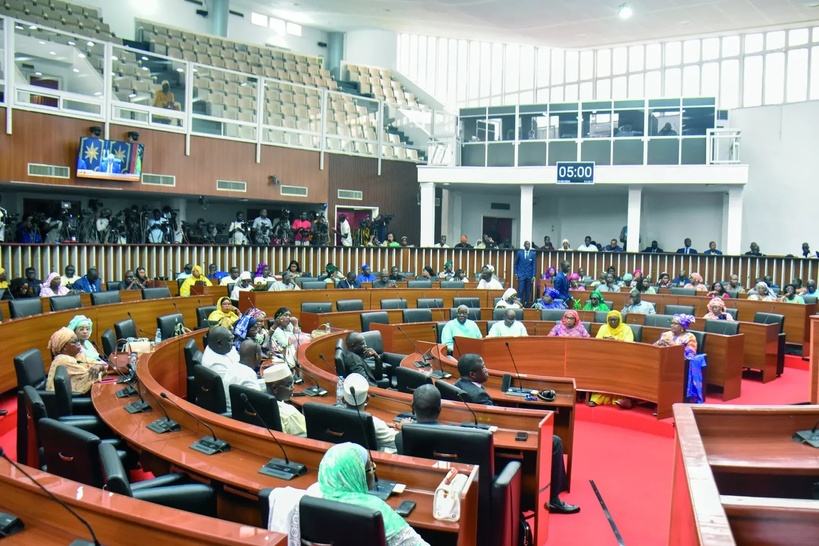
The Senegalese National Assembly is actively addressing a significant constitutional and political challenge, having already rejected the Rectified Finance Law (LFR) 2026 on November 3, 2026. Despite this rejection, President Bassirou Diomaye Faye officially promulgated the LFR 2026 by decree (n° 2026-2416) on November 19, 2026. Lawmakers are now examining a proposed resolution specifically targeting this presidential decree. This parliamentary action has become a critical forum for debating the separation of powers and the constitutional limits of presidential authority in the legislative process. The core of the dispute centers on the validity of a presidential decree bringing into force a budget amendment that the legislative body had explicitly refused to pass.
Legal and Constitutional Implications
The controversy surrounding the "Loi de finances rectificative 2026 Sénégal" raises profound questions regarding the "constitutionnalité LFR 2026" and the "procédure promulgation loi finances". Typically, a presidential decree promulgates a law *after* it has been adopted by the National Assembly. The current situation, where the decree was issued after the National Assembly's rejection of the LFR 2026, suggests a potential overreach of executive power or a significant procedural irregularity.
The proposed resolution by the deputies aims to formally challenge the legality of this presidential action. Such a challenge could lead to a review by the Constitutional Council, which would then be tasked with determining whether the presidential decree adheres to the fundamental principles of the Senegalese constitution. The outcome of this legal scrutiny will have far-reaching implications for future legislative processes and the balance of power between the presidency and the parliament.
Why It Matters
This latest parliamentary initiative transcends a mere disagreement over budgetary specifics; it reignites a broader "conflit parlement présidentiel Sénégal". The underlying tension between the legislative and executive branches, which has been simmering, is now brought to the forefront by this direct challenge to a presidential decree. The resolution seeks to assert the parliament's authority and its role in the legislative process, particularly concerning financial matters.
The implications extend beyond the immediate political dispute. Should the presidential decree be deemed unconstitutional or procedurally flawed, it could invalidate the "LFR 2026", creating significant uncertainty regarding the nation's financial framework. This situation demands close attention from legal and financial stakeholders, as the finality and legality of the budget could be in question, potentially impacting various sectors dependent on stable financial regulations. The "Sénégal LFR 2026 décret présidentiel contesté" is therefore a pivotal moment for the country's institutional stability.
Practical Implications
This parliamentary challenge to the presidential decree promulgating the 2026 Rectified Finance Law creates significant uncertainty regarding the legality and finality of the budget. Lawyers and compliance officers must monitor the outcome of this initiative to assess potential impacts on tax obligations, public procurement, and other financial regulations that may be affected by changes or invalidation of the LFR 2026.
Source
How does this affect you?
Get an AI analysis of this article grounded in your jurisdictions, practice areas, and any policy documents you've uploaded to Wansom.
Finish Reading the Full Story and the Expert Analysis.
Get the latest legal & regulatory intelligence in Senegal
Wansom is AI and can make mistakes.