
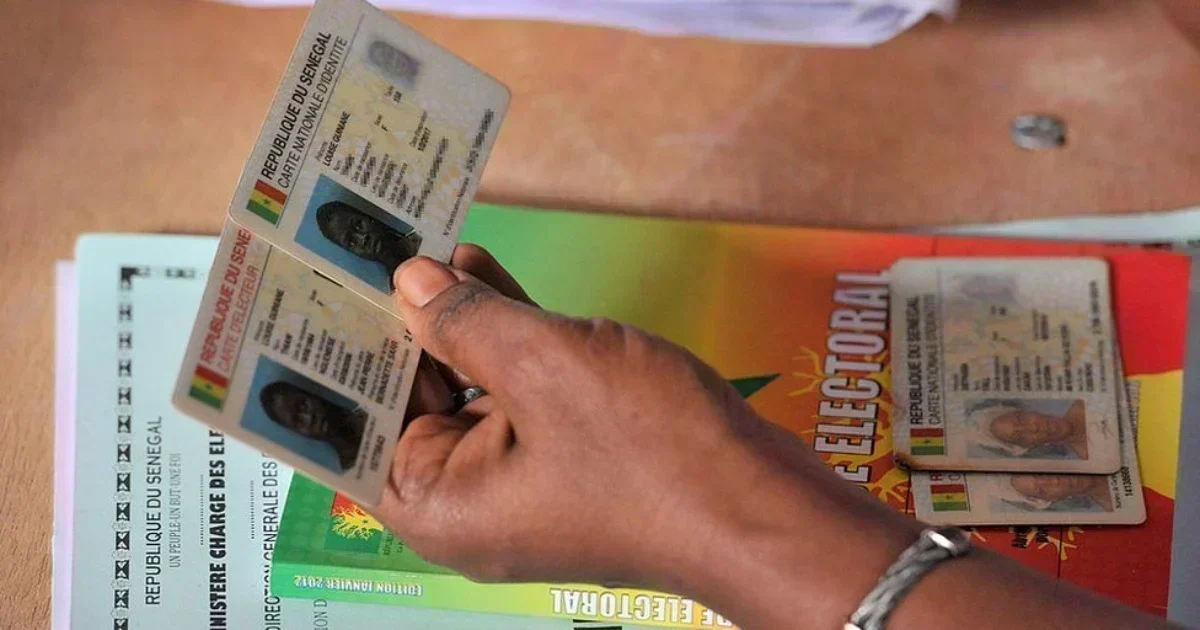
Sénégal DAF: Démarches Renouvellement Carte Identité Élections Pour Cartes 2016
Summary
- Senegal's biometric identity card serves as both an ID and an elector card, but renewal does not automatically update electoral registration.
- The renewal operation, launched by DAF on September 25, 2026, initially targets cards issued between October 4 and December 31, 2016, requiring submission of old card copies, birth certificates, and literal copies at enrollment centers.
- A legislative process is underway via Draft Law n°21/2026 to extend the validity of 2016 cards, but this prorogation is not yet finalized and requires further parliamentary and presidential action.
- After receiving a new card, citizens must separately verify their electoral registration status on the official portal, as a new card does not guarantee correct voter information or polling station assignment.
- Anticipating administrative delays, especially for obtaining birth certificates, is crucial for a smooth renewal process, and a revision period is necessary to correct any electoral list discrepancies.
The Imperative for Identity Card Renewal in Senegal
For the measure to become legally binding, it must first be voted on by the deputies, then promulgated by the President, and finally, its implementation details must be specified through an executive decree.
Senegal's biometric identity card serves a dual purpose, functioning both as a national identification document and as an elector card. However, the process of renewing an expired biometric identity card does not automatically update a citizen's registration on the electoral lists. This critical distinction necessitates proactive steps from cardholders, particularly as the timeline for upcoming elections remains uncertain. Electoral expert Ndiaga Sylla has observed that the current renewal operation mirrors the ambiguity surrounding the next election date, suggesting it offers an opportunity to preempt potential issues, including the administrative glitches encountered during the 2017 electoral processes.
The initial phase of this crucial renewal operation, launched by the Direction de l’automatisation des fichiers (DAF) on Friday, September 25, 2026, focuses on cards originally issued between October 4 and December 31, 2016. The DAF, under the leadership of Police Commissioner Ibrahima Dieng, has indicated that cards issued from 2017 onwards will be addressed in subsequent phases. This phased approach is a direct consequence of Law n°2016-09, which established a ten-year validity period for the first ECOWAS biometric national identity cards, first distributed in October 2016.
Navigating the Administrative Renewal Process
For individuals whose identity cards are approaching or have passed their expiration date, the first step in the renewal process involves carefully checking the validity dates printed on the document itself. Once confirmed, applicants must submit their dossier at a designated enrollment center, which can be located either within Senegal or abroad. The required documentation for this process includes a copy of the old identity card, a birth certificate, and a literal copy of that birth certificate.
Upon successful submission of the required documents, applicants receive a receipt. This receipt, along with the expired card, is essential for collecting the newly issued identity document from the same enrollment center where the application was initially made. It is therefore imperative that the expired card be retained until the new one is successfully retrieved. A practical consideration for many citizens is the time it can take to obtain a birth certificate and its literal copy, especially for those born in a different commune from their current residence, a process that can span several days. Anticipating these potential administrative delays is crucial to ensure a smooth and timely renewal of the carte d'identité.
Legislative Efforts to Extend Card Validity
In parallel with the ongoing administrative renewal efforts, a legislative and administrative initiative has been set in motion to potentially extend the validity of identity cards issued in 2016. Ibrahima Dieng, the Director of the DAF, publicly announced this prospective prorogation of validity during an appearance on RSI's program, "Salam Sénégal." This legislative push is embodied in Draft Law n°21/2026, which received adoption by the Council of Ministers on April 29 and was subsequently listed for a plenary session on September 18.
Despite these advancements, the proposed extension of validity for these cards is not yet a certainty. For the measure to become legally binding, it must first be voted on by the deputies, then promulgated by the President, and finally, its implementation details must be specified through an executive decree. Until these final legislative and executive steps are completed, the existing ten-year validity period, as stipulated by Law n°2016-09, remains in effect, underscoring the importance of proceeding with the standard renewal démarches.
Ensuring Electoral Registration Beyond Card Renewal
A crucial point for all citizens to understand is that merely possessing a newly renewed identity card does not automatically confirm one's registration on the electoral lists, nor does it guarantee that their assigned polling station aligns with their current place of residence. Following the reception of their updated identity document, individuals are strongly advised to verify their electoral status. This can be done by consulting the official portal dedicated to electoral lists, a vital step for anyone concerned about their participation in future elections.
Should there be any discrepancies, such as an outdated registration, a change of address, or an error in personal details, a specific revision period is allocated for citizens to regularize their electoral inscription. This separate administrative process highlights the critical distinction between renewing one's national identity card and maintaining an accurate and up-to-date electoral record with the DAF. Proactive engagement with both processes is essential to safeguard one's right to vote.
Practical Implications
Lawyers and compliance officers in Senegal should advise clients on the critical need to proactively renew expired biometric identity cards, as the process is separate from electoral list updates and the proposed legislative extension of card validity is not yet finalized. Failure to do so could lead to disenfranchisement, requiring legal guidance on navigating administrative delays and verifying electoral registration status.
Source
Source: Original reporting via senenews
How does this affect you?
Get an AI analysis of this article grounded in your jurisdictions, practice areas, and any policy documents you've uploaded to Wansom.
Finish Reading the Full Story and the Expert Analysis.
Get the latest legal & regulatory intelligence in Senegal
Wansom is AI and can make mistakes.