
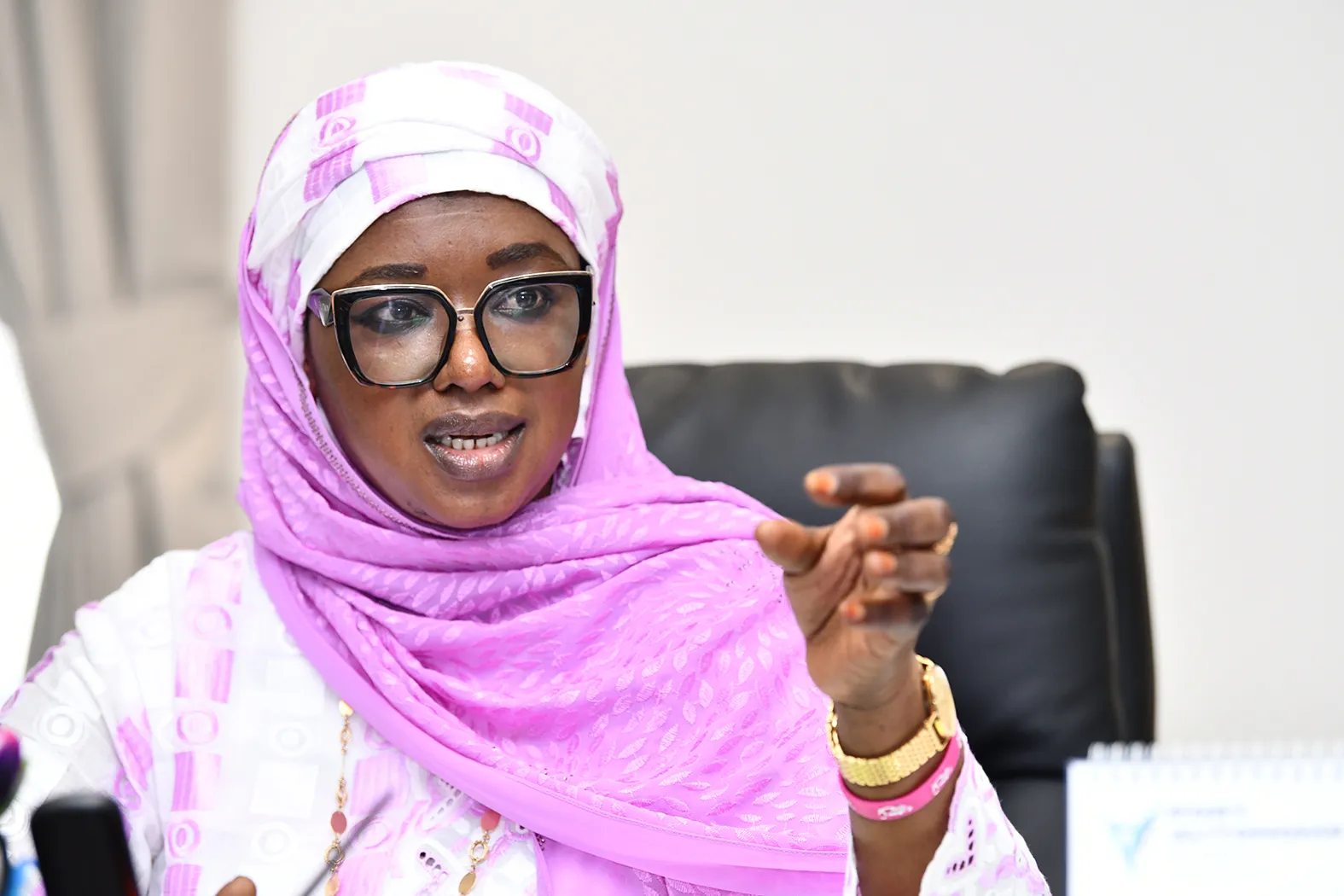
Sénégal Licences Pêche: Amy Mara Dièye Imposes Strict Management
Summary
- Minister Amy Mara Dièye aims to increase the fisheries sector's GDP contribution from 3% to a double-digit figure.
- She emphasizes strict adherence to existing texts for fishing license management and has created a committee to enhance transparency in granting procedures.
- The Minister is addressing the contentious partial easing of a 20-year moratorium on hake licenses by her predecessor.
- Since June 2026, initiatives include acquiring 29 vessels to combat illegal fishing and implementing projects to modernize artisanal fishing.
- The implementation protocol for the Senegal-EU fishing agreement expired on November 17, 2024, and was not renewed, though the main partnership agreement remains dormant.
A New Direction for Senegal's Fisheries
She has unequivocally stated that no concessions will be made regarding these permits, emphasizing the imperative for all license management procedures to strictly adhere to existing legal texts and regulations.
Amy Mara Dièye, the current Minister of Fisheries and Maritime Economy, has articulated an ambitious vision for Senegal's vital fishing sector, aiming to significantly boost its contribution to the national economy. Currently accounting for approximately 3% of the country's Gross Domestic Product, the Minister seeks to elevate this figure to a double-digit percentage. Her strategic focus encompasses the revitalization of artisanal fishing, the regularization of industrial fishing practices, and the transformation of the maritime economy into a leading regional hub.
This ambitious agenda unfolds against a backdrop of considerable challenges, including widespread overfishing and the documented decline of crucial marine resources, such as sardinella stocks. Addressing these pressures, Minister Dièye has prioritized sustainable management and regulatory reform as cornerstones of her policy.
Reinforcing License Regulation and Transparency
A central pillar of Minister Amy Mara Dièye's strategy involves a stringent approach to the management of fishing licenses in Sénégal. She has unequivocally stated that no concessions will be made regarding these permits, emphasizing the imperative for all license management procedures to strictly adhere to existing legal texts and regulations. This stance directly addresses past controversies, including the partial easing of a two-decade-long moratorium on hake licenses by her predecessor, Fatou Diouf, a decision that had previously sparked significant debate.
To bolster accountability and public trust, the Minister has established a dedicated committee. This body comprises representatives from various relevant institutions, tasked with enhancing the transparency of the procedures involved in granting fishing licenses. Furthermore, her department's broader work axes include the sustainable management of fishery resources, the regulation of access to these resources, a comprehensive review of the quota policy for industrial vessels, and an intensified campaign against illegal fishing.
Combating Illegal Fishing and Sector Development
Since assuming her role in June 2026, Minister Dièye has overseen several concrete initiatives aimed at modernizing the sector and combating illicit activities. A key achievement in the fight against illegal, unreported, and unregulated (IUU) fishing includes the acquisition and deployment of 24 pirogues and five fiberglass patrol boats, significantly enhancing surveillance and enforcement capabilities.
Beyond enforcement, substantial investments have been directed towards infrastructure development and the provision of essential equipment for stakeholders across the fishing and aquaculture value chains. For the artisanal fishing segment, specific projects are underway to introduce geolocation systems and modernize vessels, replace environmentally harmful nylon monofilament nets with biodegradable alternatives, and strengthen the crucial cold chain infrastructure. Additionally, plans include the construction of new fishing quays, the establishment of processing areas, and the development of local markets, all designed to stimulate economic activity and generate employment opportunities.
The Status of the EU Fishing Agreement
In the realm of international fisheries relations, the implementation protocol for the fishing agreement between Senegal and the European Union reached its expiration on November 17, 2024, and was subsequently not renewed. While this protocol, which governed the practical aspects of EU vessel access, is no longer active, the overarching partnership agreement itself remains legally binding.
Signed on October 23, 2014, the core agreement continues in what is described as a "dormant" phase. This means that although the operational arrangements for fishing under the protocol have ceased, the foundational agreement between Senegal and the European Union has not been terminated.
Practical Implications
Lawyers advising clients in Senegal's fishing sector should note the reinforced regulatory stance on fishing licenses, emphasizing strict adherence to existing texts and increased transparency in granting procedures. The focus on fighting illegal fishing and potential revisions to industrial vessel quotas signals a stricter compliance environment. Furthermore, the non-renewal of the EU fishing protocol's implementation agreement creates uncertainty for international fishing operations.
Source
Source: Original reporting via dakar92
How does this affect you?
Get an AI analysis of this article grounded in your jurisdictions, practice areas, and any policy documents you've uploaded to Wansom.
Finish Reading the Full Story and the Expert Analysis.
Get the latest legal & regulatory intelligence in Senegal
Wansom is AI and can make mistakes.