
Sénégal National Assembly: Rejects 2027 Fisheries Budget Over Deficiencies
Summary
- Senegal's National Assembly rejected the 2027 budget for the Ministry of Fisheries and Maritime Economy on November 10, 2026.
- Deputies cited concerns over budget estimations, coherence with finance laws, and the scarcity of fishery resources.
- The proposed 2027 budget was 33,710,751,297 FCFA, an increase from 32,546,528,804 FCFA in 2026.
- Funding for the port of Ziguinchor was significantly cut from 2 billion FCFA in 2026 to 276.2 million FCFA in 2027.
- Parliamentarians also noted the absence of key documents, including the Forvis Mazars report, hindering their oversight.
Parliamentary Rejection of Fisheries Budget
The rejection of this budget, especially following the earlier disapproval of the rectifying finance law, signals a period of considerable legislative challenge for the Senegalese government's financial management.
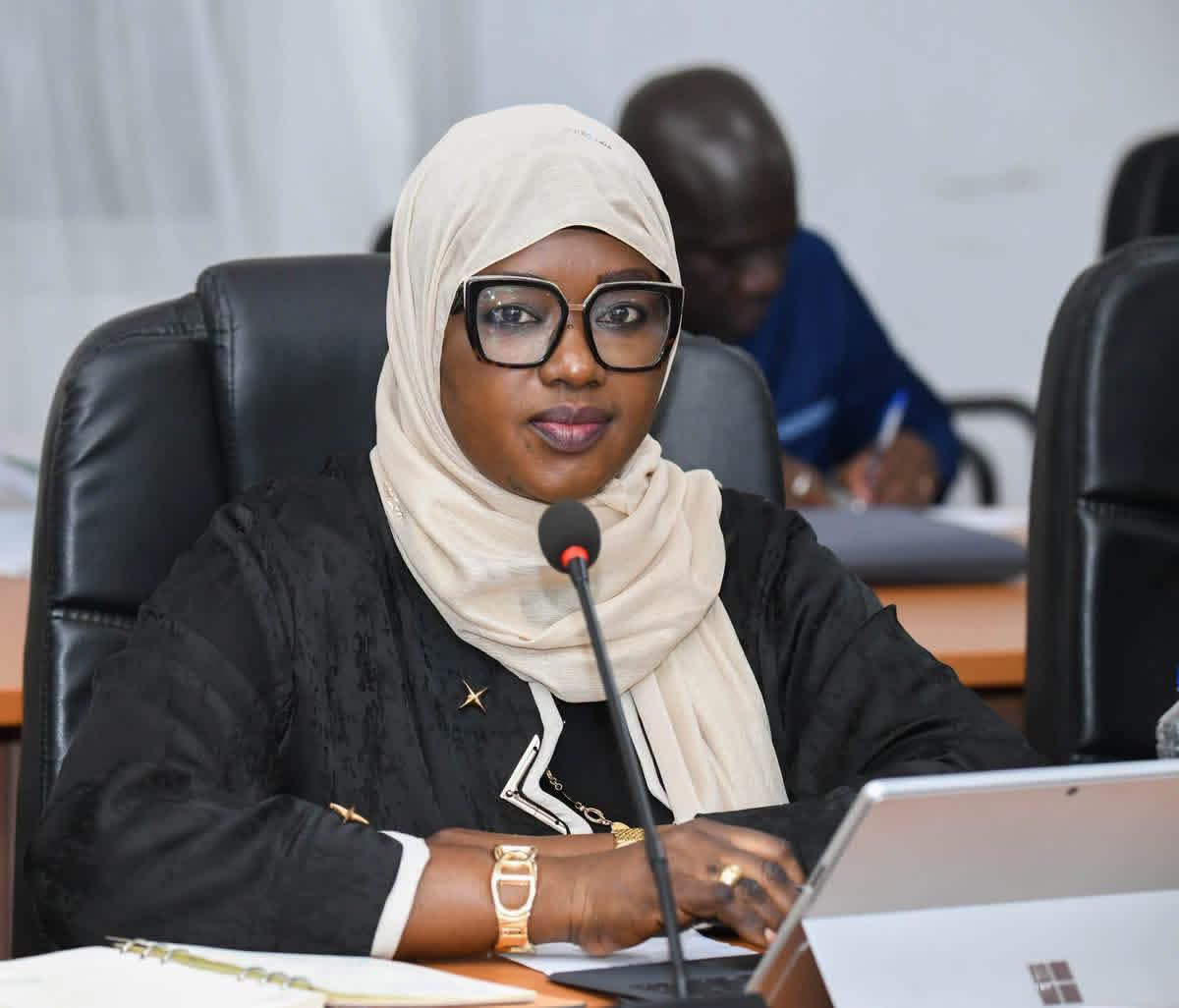
On Tuesday, November 10, 2026, Senegal's National Assembly, acting through its commission, delivered a significant blow to the government's financial plans by voting against the proposed 2027 budget for the Ministère Pêches Économie maritime Sénégal. The budget, which was vigorously defended by Minister Amy Mara Dièye, encountered strong opposition from parliamentary members who cited multiple deficiencies in its formulation and presentation. This decisive rejection underscores a growing legislative assertiveness regarding fiscal accountability and strategic sector planning.
The financial blueprint for 2027 had earmarked payment credits totaling 33,710,751,297 FCFA for the ministry. This represented an increase from the 32,546,528,804 FCFA allocated in the preceding year, 2026. However, parliamentarians expressed deep skepticism regarding the accuracy and justification of both the projected revenues and the proposed expenditures. A central point of contention also arose from what deputies perceived as a fundamental lack of coherence between the initial finance law and a rectifying finance law that had previously failed to gain approval from the National Assembly, highlighting systemic issues in the nation's financial legislative process.
Deepening Concerns Over Resource Management and Oversight
Beyond the immediate fiscal discrepancies, the parliamentary debate revealed profound anxieties among deputies concerning the accelerating raréfaction des ressources halieutiques Sénégal. Lawmakers articulated a clear demand for a substantial enhancement of preservation strategies, coupled with more rigorous control mechanisms and intensified surveillance pêcheries Sénégal. This collective call reflects a critical awareness within the legislature regarding the ecological fragility of marine resources and the imperative to safeguard them for future generations, directly impacting the long-term viability of the fishing industry.
Furthermore, the legislative body expressed significant frustration over the incomplete documentation provided to facilitate their mandated parliamentary oversight. Several crucial reports and data sets, deemed essential for a comprehensive review of the budget and the ministry's operations, were conspicuously absent. Among the specific documents that parliamentarians noted as missing was the rapport Forvis Mazars Sénégal, an omission that further exacerbated their dissatisfaction and ultimately contributed to their decision to reject the Sénégal budget Pêches 2027 rejeté. The absence of such key information impeded their ability to perform due diligence, reinforcing their stance against the proposed financial plan.
Financial Specifics and Broader Legislative Context
The detailed financial breakdown of the rejected budget indicated an overall increase in payment credits for the Ministère Pêches Économie maritime Sénégal from the 2026 allocation to the 2027 proposal. Yet, this general increase masked a dramatic reduction in funding for specific critical infrastructure projects, most notably for the port of Ziguinchor. The allocation for this vital port facility was slated to plummet from 2 billion FCFA in 2026 to a mere 276.2 million FCFA for 2027, a reduction that likely raised serious questions about strategic priorities and regional development.
As reported by Thieydakar, the rejection of this budget, especially following the earlier disapproval of the rectifying finance law, signals a period of considerable legislative challenge for the Senegalese government's financial management. The deputies' firm stance on transparency, sustainable resource management, and robust oversight suggests that any subsequent budget proposals will be subjected to an even higher degree of scrutiny. This ongoing legislative friction could have significant implications for the implementation of the broader loi de finances Sénégal and the stability of the nation's economic planning, particularly within the crucial fisheries sector.
Practical Implications
The rejection of the 2027 Fisheries Budget in Senegal, coupled with parliamentary concerns over resource scarcity and surveillance, signals potential instability and future legislative or regulatory changes in the fisheries sector. Lawyers advising clients in the fishing industry, maritime law, or environmental compliance should monitor subsequent budget proposals and regulatory developments, as increased scrutiny and stricter enforcement measures related to resource preservation and control are likely.
Source
How does this affect you?
Get an AI analysis of this article grounded in your jurisdictions, practice areas, and any policy documents you've uploaded to Wansom.
Finish Reading the Full Story and the Expert Analysis.
Get the latest legal & regulatory intelligence in Senegal
Wansom is AI and can make mistakes.