
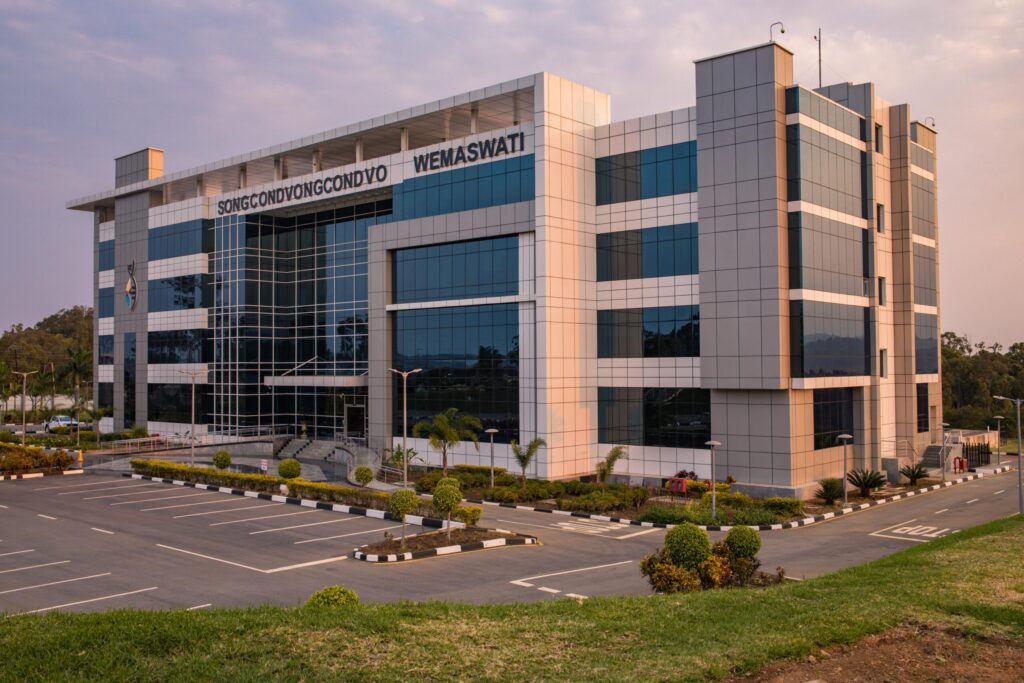
RSTP Eswatini: Governance Failures Cause Digital Infrastructure Crisis
Summary
- The Royal Science and Technology Park (RSTP) in Eswatini is experiencing severe governance failures.
- These failures have led to disruptions in the Eswatini government's digital infrastructure.
- Key contributing factors include a three-year CEO vacancy, unresolved cybersecurity issues, funding problems, and dwindling technical expertise.
- Insiders and sources familiar with the Park's operations have highlighted these long-standing issues.
- The crisis indicates significant Eswatini public sector governance risks impacting digital service reliability and security.
Crisis Unfolds at RSTP Eswatini
The current crisis at the Royal Science and Technology Park (RSTP) underscores an urgent need for comprehensive reform to address the deep-seated RSTP Eswatini governance failures.
The Royal Science and Technology Park (RSTP) in Eswatini is reportedly grappling with a severe operational crisis, stemming from years of systemic governance failures. This situation has directly led to significant disruptions within the Eswatini government's digital infrastructure, raising concerns about the reliability and security of public sector services. The ongoing turmoil at the RSTP has been attributed to a confluence of critical issues that have been allowed to fester over an extended period.
Central among these contributing factors is the prolonged absence of stable leadership, with the institution operating without a substantive Chief Executive Officer for three consecutive years. This leadership vacuum has been compounded by persistent and unresolved cybersecurity problems, which pose a direct threat to the integrity of the digital systems under the Park's purview. Furthermore, the RSTP faces chronic funding shortfalls, hindering its ability to maintain and upgrade essential infrastructure and services. These financial constraints, coupled with a noticeable decline in the technical expertise available within the organization, have collectively pushed the Park into a precarious state.
Information regarding these deep-seated issues comes from individuals closely associated with the RSTP's operations, including insiders and sources intimately familiar with the Park's day-to-day workings. Their accounts paint a picture of an organization struggling under the weight of long-standing neglect and mismanagement, with the current disruptions serving as a stark manifestation of these underlying problems. The cumulative effect of these challenges has created an environment where the very foundation of Eswatini's digital public services is now perceived to be at risk.
Deep-Seated Issues Exposed
The current state of disarray at the Royal Science and Technology Park (RSTP) is not a sudden development but rather the culmination of what sources describe as years of pervasive RSTP Eswatini governance failures. These long-standing issues have created an environment ripe for the challenges now impacting the Eswatini government's digital infrastructure. The absence of a permanent CEO for three years, for instance, is a critical indicator of a broader leadership and oversight deficit that has plagued the institution. This prolonged RSTP CEO vacancy Eswatini has likely impeded strategic decision-making, long-term planning, and the effective implementation of necessary reforms.
Moreover, the persistent nature of the RSTP cybersecurity problems highlights a fundamental weakness in the Park's operational resilience. Despite the critical role the RSTP plays in managing Eswatini's digital backbone, these vulnerabilities have remained unaddressed, suggesting a lack of prioritization or resources dedicated to safeguarding vital systems. Similarly, the reported funding problems are not new, indicating a chronic inability to secure adequate financial support or manage existing resources effectively. This financial instability directly impacts the Park's capacity to invest in crucial technological upgrades and attract or retain skilled personnel.
The dwindling technical expertise within the RSTP further exacerbates these challenges. A decline in specialized knowledge and skills means that even if funding were available, the capacity to implement complex solutions or respond effectively to emerging threats might be compromised. This erosion of human capital, alongside the other systemic issues, underscores the deep-seated nature of the RSTP Eswatini governance failures, which have now reached a critical inflection point, impacting the entire public sector.
Eswatini's Digital Infrastructure at Risk
The reported operational crisis at the Royal Science and Technology Park (RSTP) carries significant implications for the broader Eswatini government digital infrastructure. As the entity responsible for critical technological services, the Park's instability directly translates into heightened risks for public sector operations. The unresolved RSTP cybersecurity problems, in particular, present a clear and present danger to the data integrity and operational continuity of government services. Any breach or disruption could have far-reaching consequences, affecting everything from citizen services to national security.
The cumulative effect of a three-year RSTP CEO vacancy Eswatini, coupled with funding shortfalls and a decline in technical expertise, creates a precarious environment for the nation's digital backbone. This situation suggests a broader pattern of Eswatini public sector governance risks, where critical national assets are left vulnerable due to systemic weaknesses. The reliability of government digital services, which are increasingly integral to daily life and economic activity, is directly threatened by these underlying issues at the RSTP.
The current disruptions are not merely technical glitches but symptoms of a deeper institutional malaise. For any entity or individual interacting with Eswatini's government online platforms, these reported vulnerabilities at the Royal Science and Technology Park Eswatini signal potential instability. The integrity of digital transactions, the security of personal data, and the consistent availability of essential public services are all potentially compromised by the ongoing challenges at the Park.
Urgent Need for Reform
The current crisis at the Royal Science and Technology Park (RSTP) underscores an urgent need for comprehensive reform to address the deep-seated RSTP Eswatini governance failures. The fact that these issues, including a prolonged CEO vacancy, persistent cybersecurity vulnerabilities, and dwindling expertise, have been ongoing for years and are now disrupting government digital infrastructure, indicates that the problems have indeed "come home to roost." This critical juncture demands immediate and decisive action to stabilize the institution and restore confidence in Eswatini's digital capabilities.
Addressing the leadership vacuum by appointing a substantive CEO is a crucial first step, but it must be accompanied by a broader strategy to tackle the funding problems and rebuild technical capacity. Without a concerted effort to resolve these fundamental issues, the Eswatini government digital infrastructure disruption is likely to persist, potentially escalating into more severe consequences. The long-term stability and security of the nation's digital services depend on a robust and well-managed Royal Science and Technology Park.
The current situation serves as a stark reminder of the importance of strong governance and proactive management in critical technological institutions. The reported RSTP cybersecurity problems and the decline in expertise are not just internal operational issues; they represent significant Eswatini public sector governance risks that could undermine the country's digital future. A failure to act decisively now could have lasting repercussions on the nation's ability to leverage technology for development and public service delivery.
Practical Implications
Lawyers and compliance officers should assess potential risks to clients interacting with Eswatini government digital services, considering the reported governance and cybersecurity vulnerabilities at the Royal Science and Technology Park. This situation may impact data security, service reliability, and overall regulatory compliance for businesses operating within or engaging with Eswatini's digital infrastructure.
Source
How does this affect you?
Get an AI analysis of this article grounded in your jurisdictions, practice areas, and any policy documents you've uploaded to Wansom.
Finish Reading the Full Story and the Expert Analysis.
Get the latest legal & regulatory intelligence in Eswatini
Wansom is AI and can make mistakes.