
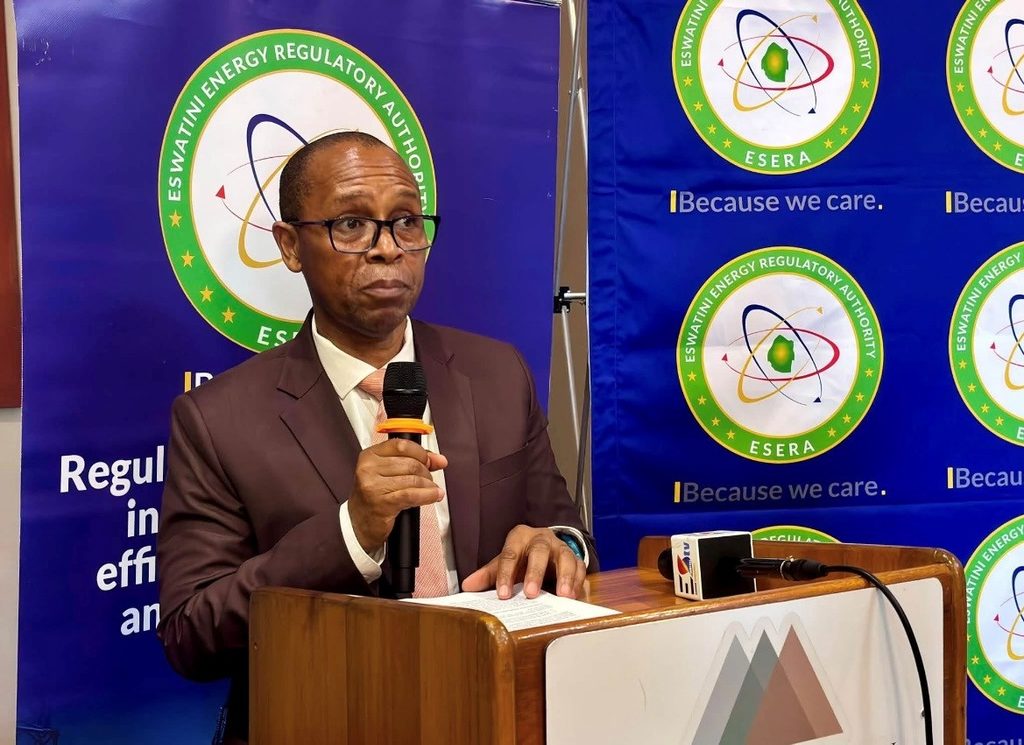
EEC Eswatini: Proposes 18.38% Tariff Hike for 2027
Summary
- The Eswatini Electricity Company (EEC) has proposed a specific percentage electricity tariff hike.
- This proposed increase is slated for the 2027/28 financial year.
- The application requires approval from the Eswatini Energy Regulatory Authority (ESERA).
- If approved, E100 would only purchase 29 units of electricity.
What Happened
Under the proposed new tariff structure, E100 would only be sufficient to acquire 29 units of electricity.
The Eswatini Electricity Company (EEC) has put forward a significant proposal for an electricity tariff increase. This application seeks a specific percentage hike in power prices, specifically targeting the 2027/28 financial year. This move by the state-owned utility signals a potential substantial shift in the cost of electricity for consumers across Eswatini. The proposed increase is currently an application and is subject to review and final decision by the country's energy regulator.
The EEC tariff application 2027/28 represents a notable adjustment in the Eswatini energy costs outlook. Such a substantial percentage increase, if approved, would directly impact households and businesses relying on the national grid. The Eswatini Electricity Company tariff proposal outlines a future where electricity becomes considerably more expensive, necessitating careful consideration by both the regulatory body and the public.
Regulatory Scrutiny
The proposed specific percentage tariff hike requires the explicit approval of the Eswatini Energy Regulatory Authority (ESERA). As the designated regulator, ESERA holds the critical responsibility of evaluating such applications to ensure they align with national energy policies and consumer protection principles. The ESERA electricity tariff approval process is a crucial step before any new pricing structure can be implemented. Without the regulator's endorsement, the Eswatini power price increase 2027 cannot proceed.
ESERA's role involves a thorough assessment of the EEC's submission, examining the justifications provided for the requested specific percentage increase. This regulatory oversight is designed to balance the operational needs of the Eswatini Electricity Company with the economic impact on the nation's electricity users. The outcome of ESERA's review will determine the future cost of power for the 2027/28 period, making their decision highly anticipated by all stakeholders.
Direct Consumer Impact
Should the ESERA electricity tariff approval be granted for the full specific percentage increase, the direct financial implications for consumers would be significant. A key illustration of this impact is the projected purchasing power of E100 for electricity. Under the proposed new tariff structure, E100 would only be sufficient to acquire 29 units of electricity. This specific detail highlights the tangible reduction in the amount of power consumers would receive for the same monetary outlay.
This scenario underscores a substantial decrease in the value of money spent on electricity, indicating a sharper Eswatini power price increase 2027 than current rates. For many, this could translate into higher monthly utility bills or a need to drastically reduce electricity consumption to stay within budget. The Eswatini energy costs outlook for 2027/28, therefore, points towards a period of increased financial strain for those dependent on the national grid, directly stemming from the EEC specific percentage tariff hike Eswatini 2027.
Broader Economic Implications
The potential for a specific percentage tariff hike in Eswatini for the 2027/28 period carries broader implications beyond individual households. Businesses, particularly those with high energy consumption, would face increased operational costs, potentially affecting their profitability and competitiveness. This proposed Eswatini power price increase 2027 could influence investment decisions and overall economic stability within the country.
The Eswatini Electricity Company tariff proposal, if approved, would reshape the Eswatini energy costs outlook for the medium term. Stakeholders across various sectors are closely monitoring the EEC tariff application 2027/28 and the subsequent ESERA electricity tariff approval process. The final decision will be a critical factor in financial planning and budgeting for the upcoming years, as the cost of power is a fundamental input for almost all economic activities.
Practical Implications
Lawyers should advise clients on the potential impact of this proposed 18.38% tariff hike on operational budgets and long-term financial planning, especially for energy-intensive businesses. Compliance officers should monitor ESERA's decision on the application to anticipate future energy cost increases and ensure budget adjustments are made.
Source
How does this affect you?
Get an AI analysis of this article grounded in your jurisdictions, practice areas, and any policy documents you've uploaded to Wansom.
Finish Reading the Full Story and the Expert Analysis.
Get the latest legal & regulatory intelligence in Eswatini
Wansom is AI and can make mistakes.