
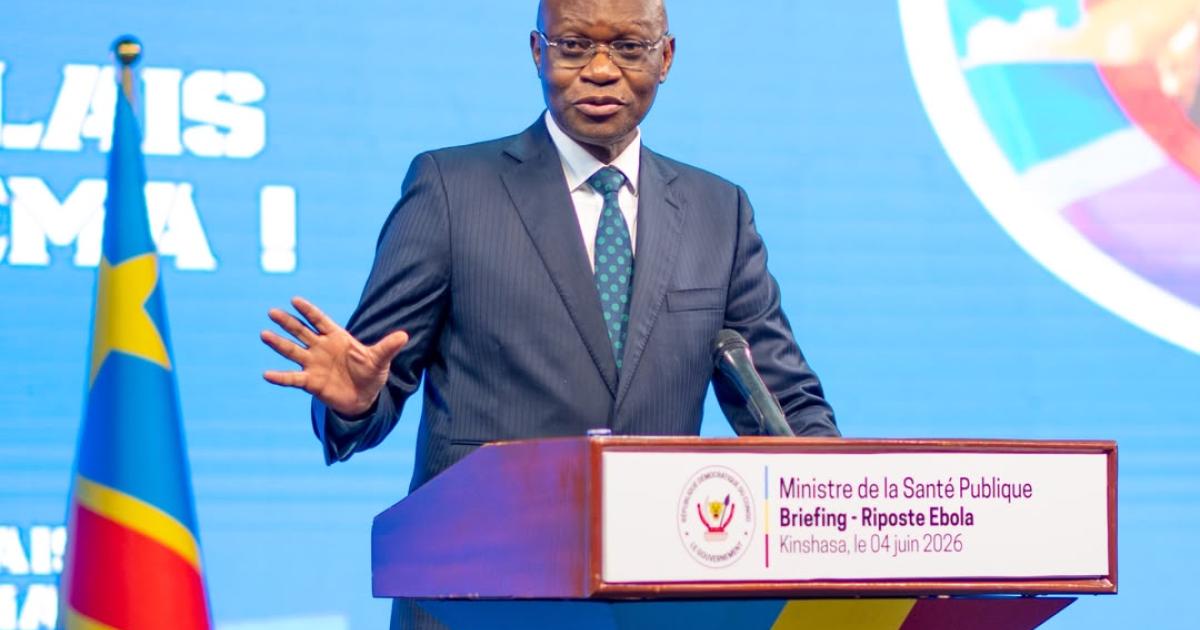
Roger Kamba: DRC Ebola Fraud Exposed, "Fictitious" Workers Found
Summary
- Roger Kamba, the DRC's Minister of Public Health, alleged that up to 20% of personnel involved in the Democratic Republic of Congo's Ebola response were "fictitious."
- Kamba also criticized "Ebola business," suggesting exploitation of the health crisis for financial gain.
- The Congolese government has announced a tougher stance against alleged fraud in managing Ebola response staff.
- These developments signal increased scrutiny and potential enforcement actions regarding financial management in the DRC's health sector.
What Happened
Lawyers advising NGOs, contractors, or individuals operating within the DRC's public health sector must now emphasize the critical importance of robust anti-fraud measures and transparent financial reporting.
Roger Kamba, the current Minister of Public Health, Hygiene, and Social Welfare for the Democratic Republic of Congo (DRC), has brought to light significant concerns regarding the integrity of the country's Ebola response efforts. He publicly asserted that as much as one-fifth of the individuals listed as participants in the critical health initiative were "fictitious" workers. This startling claim points to a systemic issue of potential fraud within the personnel management of the anti-Ebola campaign.
Kamba's critique extended beyond mere personnel irregularities, as he also sharply condemned what he termed "Ebola business." This phrase encapsulates a broader concern about the potential for individuals or entities to exploit the public health crisis for personal financial gain, diverting resources intended for the humanitarian effort. His remarks, reported on Wednesday, August 19, 2026, underscore a growing awareness and frustration with alleged corruption within the vital health sector.
In response to these and likely other similar concerns, the Congolese government has signaled a significant shift in its approach. Authorities are now adopting a much firmer posture against alleged fraudulent activities specifically related to the administration of staff engaged in the ongoing fight against Ebola. This toughened stance indicates a readiness to investigate and address the financial mismanagement and personnel irregularities that Kamba and others have highlighted.
Context of the Allegations
The allegations of "fictitious" personnel within the DRC's Ebola response framework highlight a common form of public sector corruption, often referred to as "ghost workers." Such schemes involve creating non-existent employees on payrolls, with their salaries subsequently siphoned off by corrupt officials or networks. In the context of a critical public health emergency like the Ebola outbreak, such practices not only constitute financial fraud but also severely undermine the effectiveness of the response by diverting essential funds and resources away from frontline operations and patient care.
Roger Kamba's denunciation of "Ebola business" further broadens the scope of the alleged misconduct, suggesting that the crisis itself has become an avenue for illicit profit. This could encompass a range of activities, from inflated procurement contracts for medical supplies and equipment to the misappropriation of donor funds intended for community engagement, training, or infrastructure development. The term implies a cynical exploitation of a humanitarian crisis for personal enrichment, which can erode public trust and hinder international support for future health initiatives in the Congo.
The Congolese government's decision to "toughen its stance" against these "presumed fraud" cases reflects an increasing recognition of the detrimental impact of corruption on national development and international partnerships. This shift suggests a potential increase in investigative actions and enforcement efforts targeting individuals and organizations implicated in financial irregularities within the health sector. For entities operating in the DRC, particularly those involved in public health or humanitarian aid, this signals a heightened risk environment regarding financial oversight and compliance.
Why It Matters
The recent pronouncements by Roger Kamba and the subsequent hardening of the Congolese government's position carry significant implications for all stakeholders involved in public health initiatives across the Democratic Republic of Congo. For international non-governmental organizations (NGOs), local contractors, and individual consultants engaged in the Congo Ebola response, these developments necessitate a rigorous review of internal financial controls and personnel management systems. The explicit focus on "fictitious" personnel and "Ebola business" suggests that audits and investigations into payrolls, staffing levels, and procurement processes are likely to intensify.
Lawyers advising NGOs, contractors, or individuals operating within the DRC's public health sector must now emphasize the critical importance of robust anti-fraud measures and transparent financial reporting. The government's renewed commitment to combating what it terms "presumed fraud" means that any perceived irregularities could lead to serious legal repercussions, including criminal investigations, asset freezes, and reputational damage. Compliance officers, in particular, face an urgent mandate to ensure that all projects, especially those related to the Ebola response, adhere to the highest standards of financial integrity and accountability to mitigate exposure to enforcement actions.
Ultimately, the success of the Congolese government anti-fraud Ebola efforts is crucial not only for restoring public confidence but also for ensuring the efficacy of future health interventions. Allegations of widespread corruption, such as the "DRC health sector ghost workers" phenomenon, can deter international donors and partners, thereby jeopardizing the resources needed to combat ongoing and future health crises. By addressing these issues head-on, the DRC aims to strengthen its health infrastructure and demonstrate a commitment to transparent governance, which is vital for long-term stability and effective disease control.
Practical Implications
Lawyers advising NGOs, contractors, or individuals involved in public health initiatives in the DRC should be aware of heightened government scrutiny regarding financial management and personnel, potentially leading to investigations or enforcement actions related to fraud or misappropriation of funds. Compliance officers must review internal controls for projects in the DRC to mitigate exposure.
Source
How does this affect you?
Get an AI analysis of this article grounded in your jurisdictions, practice areas, and any policy documents you've uploaded to Wansom.
Wansom is AI and can make mistakes.