
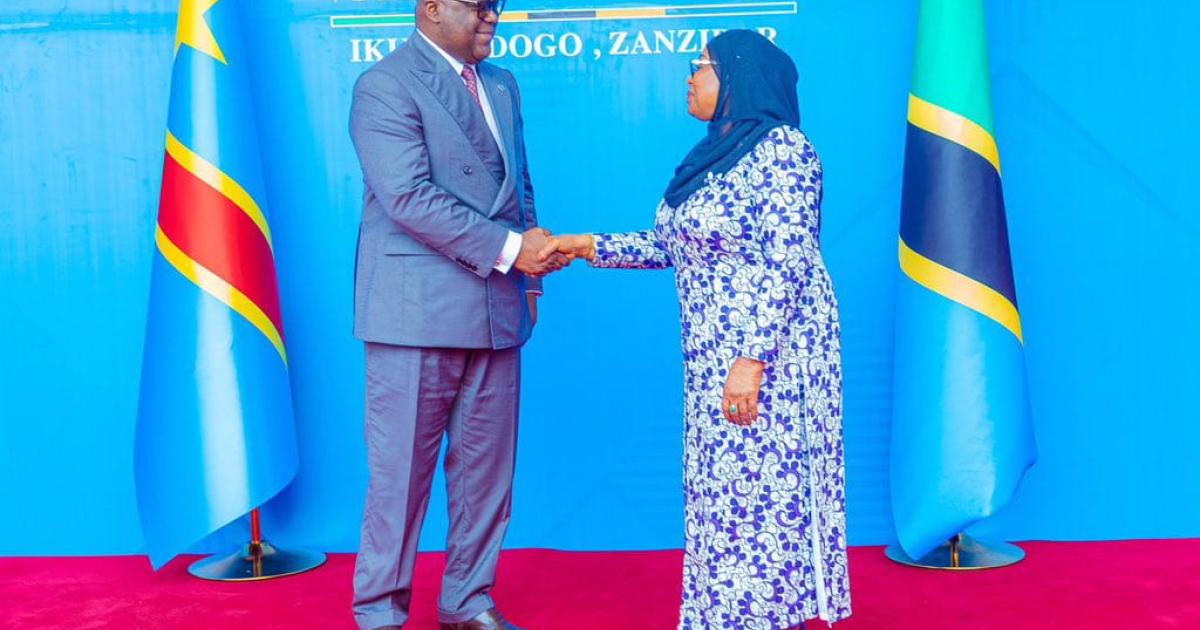
Tshisekedi, Suluhu Acknowledge DRC FDLR Disarmament Protocol Commitments
Summary
- Presidents Félix Tshisekedi and Samia Suluhu have acknowledged efforts and commitments related to an FDLR protocol.
- The protocol includes two main security commitments: neutralizing the Forces Démocratiques de Libération du Rwanda (FDLR) and withdrawing Rwandan troops.
- The withdrawal of Rwandan troops is framed as the lifting of defensive measures.
- These commitments are seen as crucial steps towards regional stability and conflict resolution in the Great Lakes area.
Acknowledging Key Security Commitments
The successful implementation of the DRC FDLR disarmament protocol, alongside the troop withdrawal, holds profound implications for the broader Great Lakes region.
In a significant development for regional stability, Presidents Félix Tshisekedi and Samia Suluhu have formally acknowledged ongoing efforts and noted critical commitments related to a protocol concerning the Forces Démocratiques de Libération du Rwanda (FDLR). This recognition underscores the concerted push towards resolving long-standing security challenges in the Great Lakes region, particularly those impacting the Democratic Republic of Congo and Rwanda.
The protocol outlines two primary security undertakings. The first is the complete neutralization of the FDLR, a group whose continued presence has been a persistent source of instability. The second crucial commitment involves the lifting of what are termed 'defensive measures,' which explicitly refers to the withdrawal of Rwandan troops from areas where they have been deployed. These dual objectives form the bedrock of the current regional security engagements.
The Dual Pillars of the Protocol
The commitment to neutralize the Forces Démocratiques de Libération du Rwanda (FDLR) represents a fundamental step in addressing a key driver of conflict in eastern DRC. This group, with its historical ties and operational presence, has long been a destabilizing force, necessitating a robust and coordinated approach to its disarmament and demobilization. The acknowledgement by Presidents Tshisekedi and Suluhu highlights the political will behind these efforts, aiming to dismantle the group's capacity to operate and threaten civilian populations or regional peace.
Equally vital is the commitment regarding the withdrawal of Rwandan troops. This provision, framed as the lifting of defensive measures, is central to de-escalating tensions and fostering trust between the Democratic Republic of Congo and Rwanda. A successful DRC Rwanda troop withdrawal agreement is paramount for normalizing relations and creating an environment conducive to sustainable peace. The implementation of this aspect of the protocol is expected to significantly alter the security landscape, reducing the potential for direct military confrontations and paving the way for improved diplomatic ties.
Implications for Regional Stability
The successful implementation of the DRC FDLR disarmament protocol, alongside the troop withdrawal, holds profound implications for the broader Great Lakes region. These Tshisekedi Suluhu FDLR commitments are not merely bilateral agreements but are integral to wider international law peace agreements in Africa, aiming to resolve deep-seated conflicts and promote regional integration. The neutralization of the FDLR would remove a significant non-state armed actor, while the withdrawal of foreign troops would address sovereignty concerns and reduce the militarization of border regions.
Achieving these objectives is crucial for fostering long-term Congo Rwanda conflict resolution and enhancing overall Great Lakes security engagements. The ongoing efforts, as noted by the two presidents, signal a renewed impetus to translate diplomatic agreements into tangible security improvements on the ground. The practical execution of these commitments will be closely watched as a barometer for the region's capacity to self-regulate and build lasting peace.
Practical Implications
Lawyers and compliance officers should closely monitor the practical implementation of these disarmament and troop withdrawal commitments, as their success or failure will significantly influence regional security, investment risk, and the regulatory environment for businesses operating in the Great Lakes region.
Source
How does this affect you?
Get an AI analysis of this article grounded in your jurisdictions, practice areas, and any policy documents you've uploaded to Wansom.
Wansom is AI and can make mistakes.