
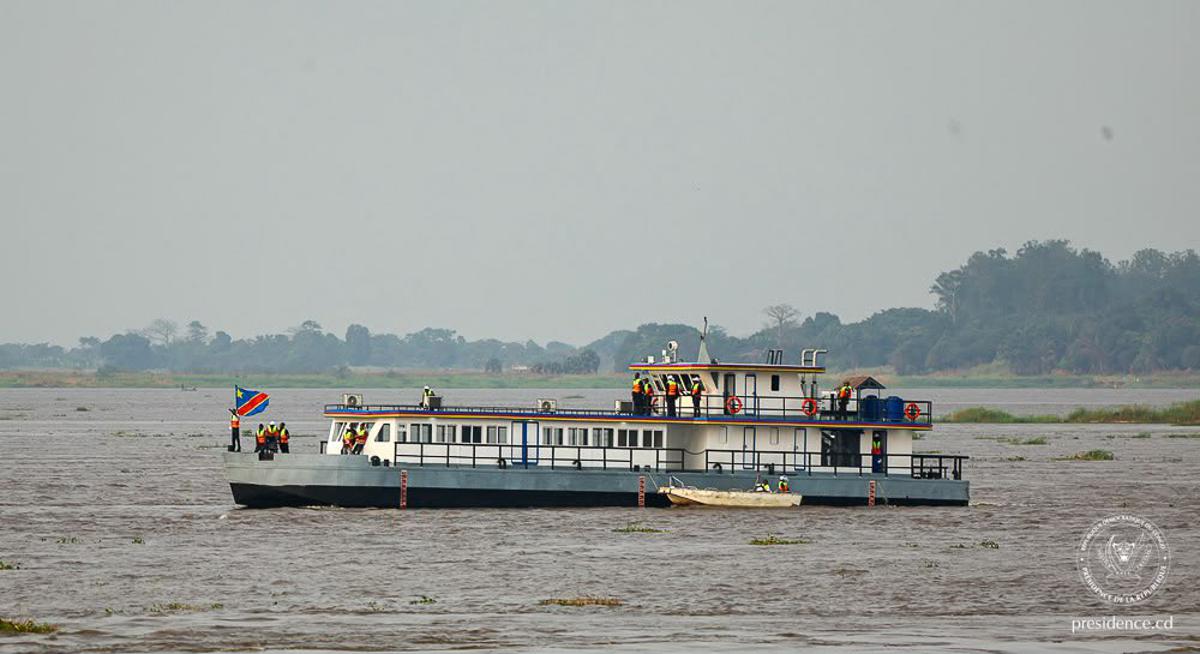
River Navigation Signals Restored on Mfimi River After 40 Years
The Régie des voies fluviales (RVF) initiated the restoration of riverine signaling on the Mfimi River in the Maï-Ndombe province on Monday, November 16th, marking a significant step towards enhancing navigational safety on a 105-kilometer stretch that has been unlit for over four decades. This operation is specifically focused on the Mushie-Nioki corridor, aiming to reduce the incidence of accidents by providing clear navigational aids.
The legal significance of this development lies in the RVF's proactive engagement in fulfilling its mandate to ensure the safety and efficiency of inland waterways, a critical component of the DRC's transportation infrastructure. For legal professionals, this signifies a renewed focus on maritime safety regulations and the potential for increased enforcement and compliance requirements for riverine operators. The restoration of signaling is a prerequisite for ensuring that vessels can navigate safely, thereby reducing liability risks associated with accidents and improving the overall economic viability of riverine trade routes.
The context for this initiative is rooted in the broader legal framework governing the DRC's waterways, overseen by the RVF, an autonomous public establishment. The absence of signaling for over forty years highlights a historical challenge in maintaining vital infrastructure. The RVF's actions are guided by national legislation pertaining to navigation and maritime safety, likely including decrees and ministerial orders that define the standards for buoys, lights, and other navigational markers. The success of this operation could set a precedent for similar infrastructure restoration projects on other neglected waterways.
The key parties involved are the Régie des voies fluviales (RVF), the governmental body responsible for managing and maintaining navigable waterways, and the riverine transport operators who utilize the Mfimi River. The provincial administration of Maï-Ndombe is also implicitly involved as the geographical location of the intervention.
Attorneys and businesses engaged in riverine transport along the Mfimi River should be aware of the RVF's efforts and the impending changes to navigational conditions. It is advisable to ensure that all vessels operating on this route are compliant with any new signaling requirements and safety protocols that will be enforced. Monitoring the RVF's official communications regarding the completion of the signaling project and any associated regulations will be crucial for continued operational compliance and risk mitigation.
How does this affect you?
Get an AI analysis of this article grounded in your jurisdictions, practice areas, and any policy documents you've uploaded to Wansom.
Finish Reading the Full Story and the Expert Analysis.
Get the latest legal & regulatory intelligence in DR Congo
Wansom is AI and can make mistakes.