
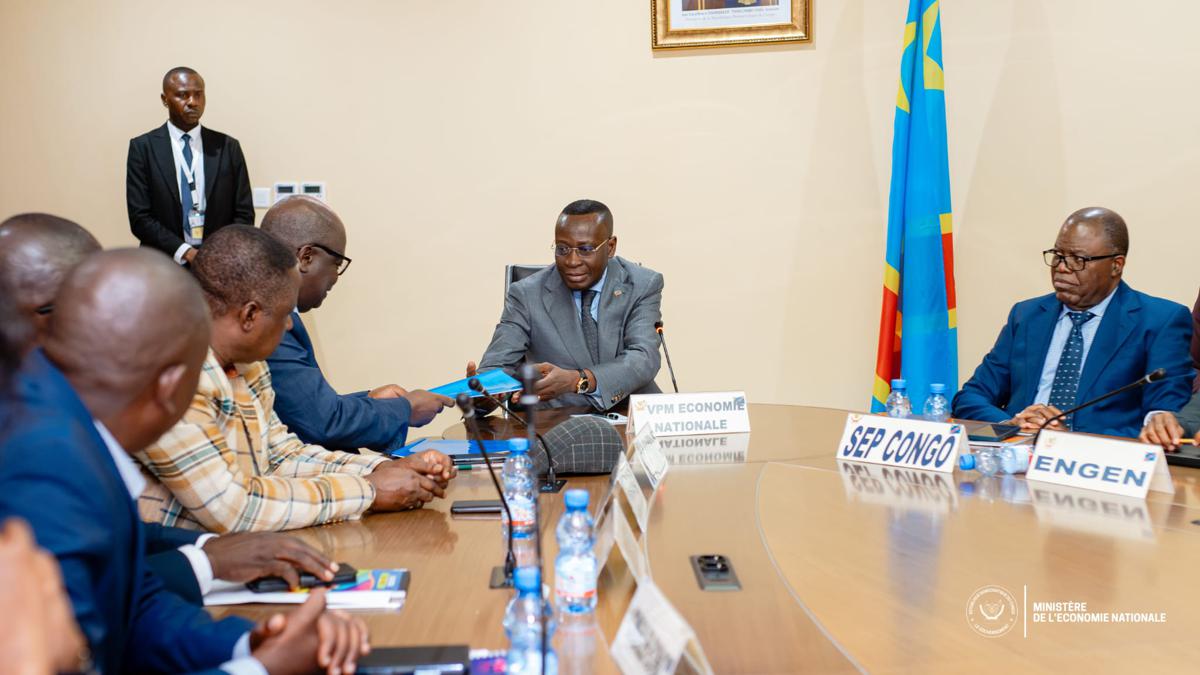
DR Congo Government, Cold Storage Operators Sign Price Regulation Accords
The Ministry of National Economy in the Democratic Republic of Congo (DRC) announced on Monday, November 16, the signing of protocols of agreement between the Economic Regulation Fund (FOREC) and the Association of Distributors and Operators of Cold Storage Facilities of Congo, aimed at regulating and reducing the prices of specific high-consumption food products in Kinshasa. These agreements, concluded on November 13, represent a direct governmental intervention to address the rising cost of living by ensuring the availability of essential goods at reduced prices through a network of approved distributors and cold storage facilities. The initiative seeks to balance consumer protection with the preservation of economic operators' activities, with commercialization operations reportedly commencing on the same day of the announcement, and a monitoring mechanism established to ensure compliance.
This development holds significant implications for economic operators, consumers, and the regulatory landscape in the DRC. The key parties involved are the Ministry of National Economy, which spearheads the initiative; the Economic Regulation Fund (FOREC), a public entity likely tasked with implementing and overseeing economic regulations; and the Association of Distributors and Operators of Cold Storage Facilities of Congo, representing the private sector entities directly affected by and participating in these price regulation efforts. For businesses, particularly those in the food distribution and cold chain logistics sectors, these agreements introduce a new layer of price control and operational oversight, potentially impacting profit margins and supply chain management. Consumers, on the other hand, stand to benefit from increased access to affordable essential goods, which is a critical social objective for the government. The intervention underscores the government's willingness to actively manage market prices in sectors deemed vital for public welfare, setting a precedent for similar actions in other industries or during future economic pressures.
The legal context for such interventions in the DRC typically stems from the country's economic legislation, which grants the government powers to regulate markets and prices, especially for essential goods, under the broader framework of economic policy and consumer protection laws. While the specific statutes are not detailed in the excerpt, such actions are often grounded in decrees or ordinances issued by the Ministry of National Economy, deriving authority from overarching laws related to commerce, competition, and consumer rights. Practitioners should closely monitor the implementation details of these protocols, including the specific products targeted, the agreed-upon price ceilings, and the enforcement mechanisms. Businesses operating in the food sector, particularly those involved in import, distribution, and retail, must review their pricing strategies and supply chain agreements to ensure compliance with the new regulations. Furthermore, attorneys should advise clients on the potential for similar regulatory interventions in other sectors, the scope of FOREC's powers, and the legal avenues for challenging or seeking clarification on these price controls. The effectiveness of the announced follow-up and control mechanism will be crucial, and businesses should prepare for increased scrutiny regarding pricing and product availability.
How does this affect you?
Get an AI analysis of this article grounded in your jurisdictions, practice areas, and any policy documents you've uploaded to Wansom.
Finish Reading the Full Story and the Expert Analysis.
Get the latest legal & regulatory intelligence in DR Congo
Wansom is AI and can make mistakes.