
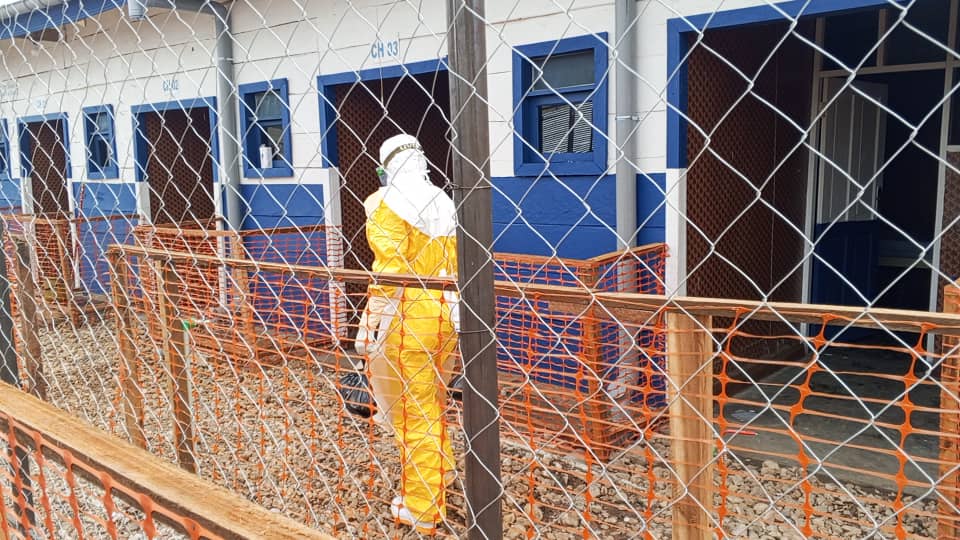
REHDO Butembo: Demands Ebola Judicial Investigations in DRC
Summary
- Butembo, Nord-Kivu, was the epicenter of an Ebola epidemic and faced strong community resistance.
- Health structures had been burned, and health workers targeted by youth and unknown individuals.
- Local NGO REHDO (Réseau pour les droits de l’homme) urged authorities to initiate judicial investigations into these incidents.
- These investigations could set precedents for enforcing public health measures and prosecuting related offenses in the DRC.
- Such legal action aimed to increase accountability for obstructing public health efforts and provide redress for affected organizations.
Escalating Challenges in Butembo's Ebola Response
Lawyers and legal observers should closely monitor these developments, as the outcomes of such cases could establish crucial precedents for enforcing public health measures and prosecuting related offenses across the Democratic Republic of Congo.
Butembo, a critical urban center within the Democratic Republic of Congo's Nord-Kivu province, emerged as the epicenter of an Ebola epidemic in the region. The public health response efforts in this area grappled with significant and persistent community resistance, posing severe obstacles to containment and treatment initiatives. This resistance manifested not only as general non-compliance but escalated into direct acts of violence and destruction against essential infrastructure and personnel.
Reports indicated a disturbing trend where vital health structures, established to combat the spread of the virus, had been subjected to arson. Concurrently, dedicated health workers on the front lines of the epidemic had become direct targets of aggression. These attacks were reportedly perpetrated by both local youth and unidentified individuals, creating an environment of fear and hindering the crucial work of medical teams. The deliberate targeting of healthcare facilities and personnel underscored a profound challenge to maintaining public health order amidst a deadly outbreak.
In response to this escalating crisis, the local human rights organization, Réseau pour les droits de l’homme Butembo (REHDO), issued a strong appeal to authorities. REHDO specifically advocated for the immediate initiation of judicial investigations into these acts of community resistance and violence. Their call highlighted the urgent need for legal accountability to address the deliberate obstruction of public health measures and the assaults on those striving to save lives.
Legal Imperatives for Public Health Enforcement
The demand for REHDO Butembo Ebola judicial investigations underscored a critical juncture for public health enforcement in the Democratic Republic of Congo. While the immediate focus remained on containing the Ebola virus, the persistent acts of violence against health workers and the destruction of medical facilities represented serious criminal offenses that demanded a robust legal response. Such actions not only impeded the emergency response but also undermined the rule of law and endangered the lives of those dedicated to public service.
In the context of a declared public health emergency, national legal frameworks typically empower authorities to take measures to protect the population and ensure the effectiveness of response efforts. The deliberate targeting of health infrastructure and personnel, as seen in Butembo, could fall under various existing criminal statutes related to assault, arson, and obstruction of public duty. The initiation of formal legal proceedings would signal a clear intent by the state to enforce these provisions and protect its public health apparatus.
This move towards Congo public health emergency sanctions was crucial for establishing a deterrent against future acts of aggression. Without clear consequences, the cycle of violence and obstruction could continue, further jeopardizing the already fragile Ebola response legal enforcement DRC. The call from Réseau pour les droits de l’homme Butembo emphasized that addressing these criminal acts was not merely about retribution, but about creating an environment where public health interventions could proceed safely and effectively, free from the threat of violence.
Setting Precedents and Mitigating Future Risks
The potential initiation of judicial investigations into community resistance and violence against health workers in Butembo carried significant implications beyond the immediate Ebola crisis. Lawyers and legal observers should closely monitor these developments, as the outcomes of such cases could establish crucial precedents for enforcing public health measures and prosecuting related offenses across the Democratic Republic of Congo. A successful prosecution of those responsible for health worker attacks and facility destruction would send a powerful message regarding the state's commitment to protecting its public health infrastructure and personnel.
These investigations could significantly increase the legal risk for individuals or groups found to be obstructing public health efforts or engaging in violence against responders. The establishment of clear legal consequences for such actions is vital for fostering an environment where public health directives are respected and implemented without fear of reprisal. Furthermore, the process could provide avenues for redress for affected organizations and individual health workers who have suffered harm or property damage due to these acts of resistance.
Ultimately, the call for DRC Ebola community resistance prosecution by REHDO highlighted a broader need for robust legal mechanisms to support public health interventions. By addressing the specific challenges in Nord-Kivu, particularly concerning health worker attacks, these judicial investigations could contribute to a stronger framework for managing future public health emergencies, ensuring that essential services can be delivered safely and effectively throughout the country.
Practical Implications
Lawyers should monitor the initiation of judicial investigations into community resistance and violence against health workers in Butembo, as these cases could establish precedents for enforcing public health measures and prosecuting related offenses in the DRC. This signals increased legal risk for individuals or groups obstructing public health efforts and potential avenues for redress for affected organizations.
Source
How does this affect you?
Get an AI analysis of this article grounded in your jurisdictions, practice areas, and any policy documents you've uploaded to Wansom.
Wansom is AI and can make mistakes.