
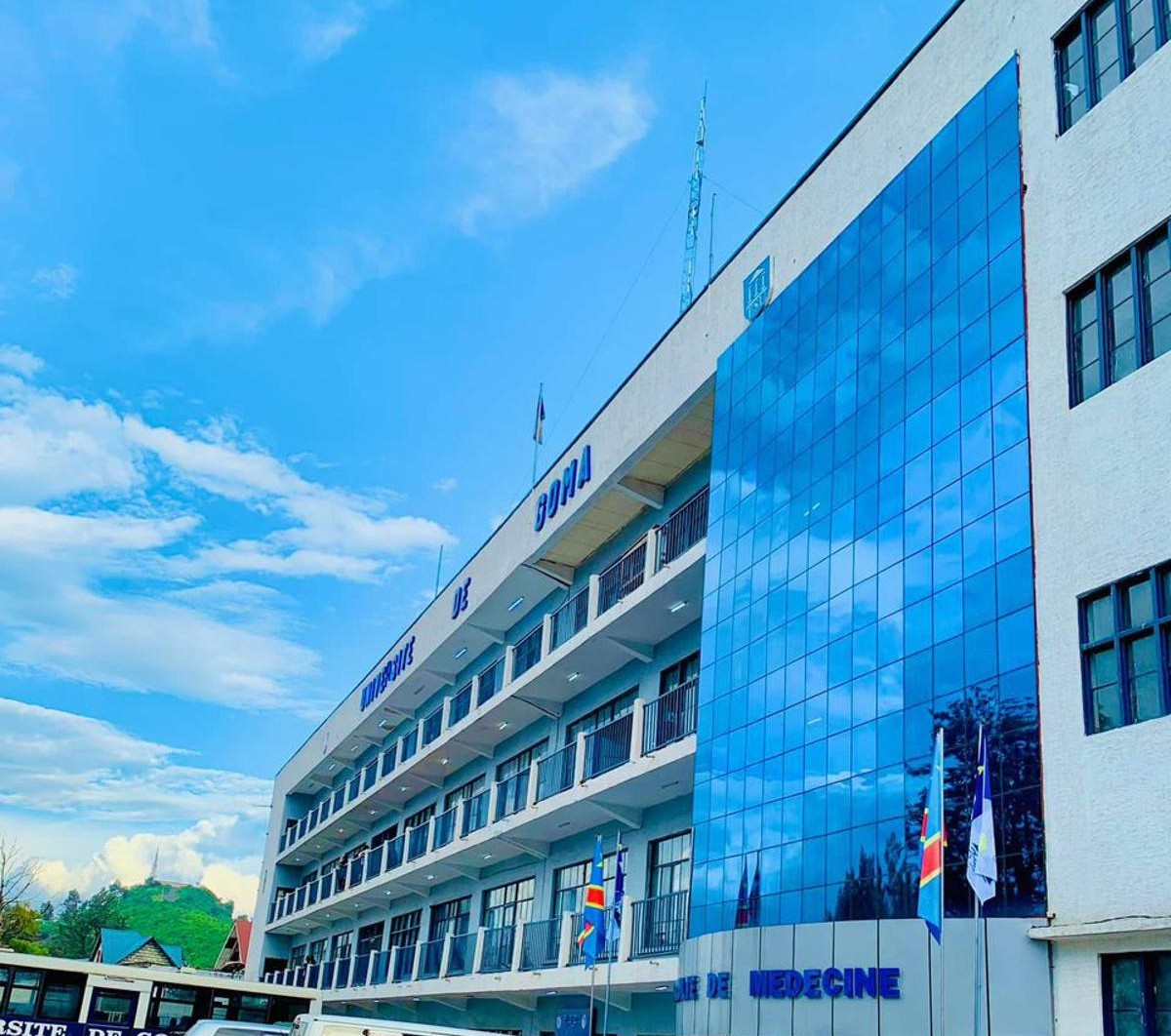
RDC: Suspension Universités Goma Bukavu Due to AFC/M23 Conflict
Summary
- The Congolese government has suspended academic activities in 11 public higher education institutions in Goma and Bukavu due to security concerns.
- This measure, enacted by a ministerial decree on August 20, 2026, applies to the 2026-2027 academic year in areas under AFC/M23 control.
- The suspension covers all academic processes, including registrations, teaching, evaluations, and deliberations.
- An exception allows final-year students from the 2025-2026 academic year to complete their studies at other legally recognized institutions.
- The government will continuously monitor the security situation to determine when academic activities can safely resume.
Unprecedented Academic Halt in Conflict Zones
The government justified this decision by citing a "particularly worrying security situation" in Goma and Bukavu, emphasizing the need to safeguard students and staff while ensuring the legitimacy of academic credentials issued within the Democratic Republic of Congo.
The Congolese government has enacted a significant measure, suspending all academic and para-academic activities across eleven public higher education institutions located in Goma, Nord-Kivu, and Bukavu, Sud-Kivu. This directive comes in response to the volatile security situation prevailing in these areas, which are currently under the control of the AFC/M23. The comprehensive suspension, which affects five institutions in Goma and six in Bukavu, was formalized through a ministerial decree issued by the Minister of Higher Education, University, Scientific Research, and Innovation, Sombo Ayanne Safi Mukuna Marie-Thérèse. This decisive action underscores the government's concern for the safety of its citizens and the integrity of its educational system amidst ongoing conflict.
The widespread suspension universités RDC Goma Bukavu AFC/M23 represents a critical intervention aimed at addressing the immediate dangers posed by the instability. It reflects a broader strategy to ensure that educational pursuits do not place students and staff at undue risk, while also maintaining the credibility of academic qualifications issued within the nation. The government's move highlights the severe challenges faced by the enseignement supérieur RDC zones de conflit, where conflict directly impacts the ability to conduct normal academic operations.
Ministerial Decree Outlines Scope and Rationale
The ministerial decree, dated August 20, 2026, explicitly targets the academic year 2026-2027, halting a wide array of essential academic processes. This includes new registrations, re-inscriptions for continuing students, all forms of teaching, student evaluations, and the deliberation of academic results. The government justified this decision by citing a "particularly worrying security situation" in Goma and Bukavu, emphasizing the need to safeguard students and staff while ensuring the legitimacy of academic credentials issued within the Democratic Republic of Congo.
This proactive step aims to prevent any compromise to the quality or recognition of degrees obtained under precarious conditions, thereby protecting the future prospects of students and upholding the standards of the national education system. The comprehensive nature of the suspension, enacted via the arrêté ministériel by Sombo Ayanne Safi Mukuna Marie-Thérèse, reflects a deep concern for the sécurité activités académiques Nord-Kivu Sud-Kivu. The measure ensures that the integrity of the année académique 2026-2027 RDC is not undermined by the prevailing insecurity.
Critical Exception for Final-Year Students
Despite the broad suspension, the decree includes a critical exception designed to mitigate the impact on students nearing the completion of their studies. This provision specifically allows final-year students from the 2025-2026 academic year, who were unable to complete their curriculum due to the prevailing circumstances, to finalize their education. These students are permitted to undertake necessary evaluations or academic activities required for the completion of their formation.
This can be done at other public or private institutions whose authorities are legally established by the Democratic Republic of Congo or are regularly constituted, offering a pathway for these students to earn their qualifications despite the disruption. This exception étudiants finalistes RDC 2025-2026 demonstrates a nuanced approach to an otherwise sweeping measure, acknowledging the unique predicament of those on the cusp of graduation.
Monitoring and Future Outlook
Looking ahead, the Congolese government has affirmed its commitment to maintaining continuous observation of the evolving security landscape. This ongoing monitoring is crucial for determining when conditions will be sufficiently stable to allow for the safe and orderly resumption of academic activities. The temporary nature of the suspension underscores the government's intent to restore normal operations in the higher education sector as soon as the sécurité activités académiques Nord-Kivu Sud-Kivu permits.
Until then, the focus remains on ensuring the safety of all involved and preserving the integrity of the academic system in the affected regions. The status of the année académique 2026-2027 RDC will remain under constant review, with the government prepared to lift the suspension as soon as the security situation allows for a secure and conducive learning environment.
Practical Implications
Compliance officers in educational institutions in the DRC, especially those with ties to Goma and Bukavu, must review the ministerial decree to ensure adherence to the suspension of academic activities for the 2026-2027 academic year, noting the specific exception for 2025-2026 final-year students. Lawyers may need to advise affected students or institutions on their rights and obligations under this decree.
Source
How does this affect you?
Get an AI analysis of this article grounded in your jurisdictions, practice areas, and any policy documents you've uploaded to Wansom.
Wansom is AI and can make mistakes.