
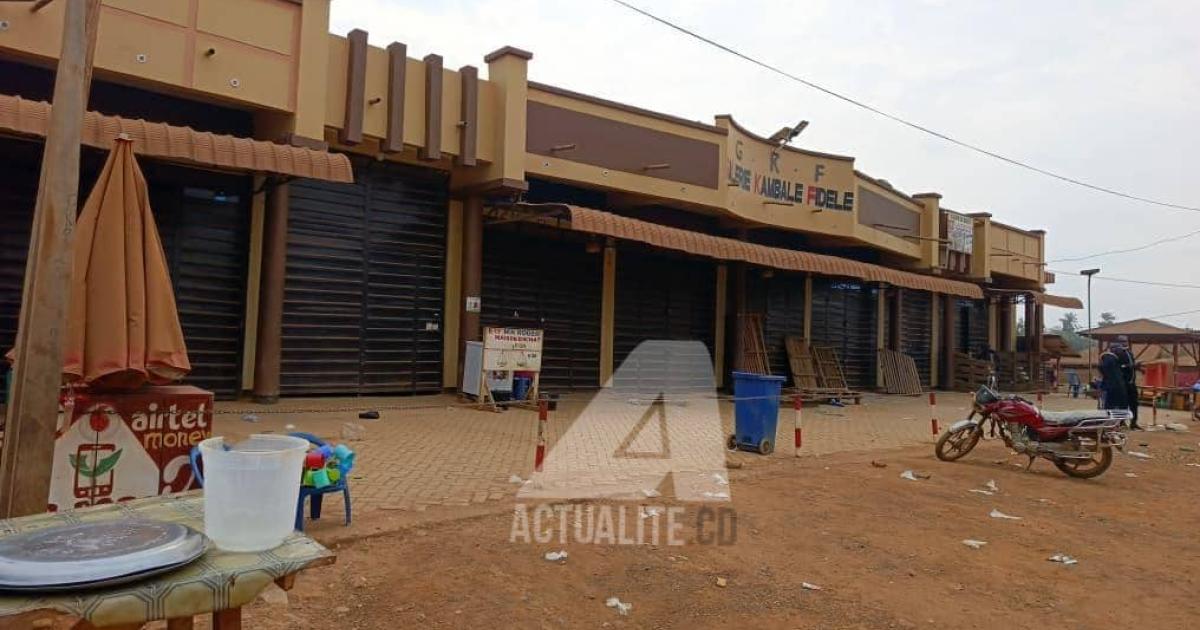
Mambasa Civil Society: Calls for Mambasa Reprise Paiement Taxes
Summary
- Mambasa's civil society "forces vives" has called for the immediate resumption of tax payments.
- This directive ends a period of "fiscal incivisme" that lasted several days.
- The tax boycott was initiated to protest deteriorating security and combatant activity in the Mambasa territory.
- The decision was reported on Wednesday, August 26, 2026.
What Happened
Lawyers advising clients in Mambasa should immediately inform them that the period of tax boycott has ended and tax payments must resume without further delay to avoid potential penalties.
The civil society "forces vives" in Mambasa territory has announced the cessation of a period of "fiscal incivisme," urging residents and businesses to resume their tax obligations. This decision, reported on Wednesday, August 26, 2026, marks a significant shift following several days during which the community had collectively withheld tax payments as a form of protest. The call for Mambasa reprise paiement taxes signals an end to the organized refusal to contribute to public coffers.
This period of non-compliance, characterized as "fiscal incivisme," was initiated by the local "forces vives" to express profound dissatisfaction with the deteriorating security situation across the Mambasa region. The protest specifically targeted the escalating activism of combatants, which has severely impacted daily life and stability. By suspending tax payments, the community aimed to exert pressure on authorities to address the pervasive insecurity.
The recent declaration by the Mambasa forces vives taxes initiative now explicitly lifts this measure. The civil society's leadership is actively encouraging all taxpayers within the territory to recommence their payments without delay. This directive effectively concludes the Mambasa fin incivisme fiscal period, transitioning the focus back to regular civic duties and financial contributions to the state.
Legal Context
The concept of "fiscal incivisme," while a form of civil disobedience, carries significant legal and economic implications for any jurisdiction. In the context of the Democratic Republic of Congo (DRC), the organized refusal to pay taxes, even as a protest, can lead to substantial revenue shortfalls for local and national governments, impacting public services and infrastructure. The decision by the DRC Mambasa civil society taxes group to end this boycott therefore has immediate legal ramifications for all entities operating within the territory.
With the official call for the Congo Mambasa tax payment resumption, individuals and corporations are now legally obligated to fulfill their tax duties. Lawyers advising clients in Mambasa should immediately inform them that the period of tax boycott has ended and tax payments must resume without further delay to avoid potential penalties. Compliance officers, in particular, need to ensure their entities in Mambasa are up-to-date with local tax obligations and address any outstanding liabilities that may have accumulated during the period of 'fiscal incivisme'.
Failure to comply with tax laws following this announcement could expose individuals and businesses to fines, interest charges, and other enforcement actions by tax authorities. The lifting of the protest measure removes any informal justification for non-payment, re-establishing the full force of tax legislation. This development underscores the importance of diligent adherence to fiscal regulations, especially after a period of collective non-compliance.
Why It Matters
The decision by Mambasa's civil society to end its tax boycott is a critical development for the region's governance and economic stability. The resumption of tax payments is expected to restore a vital revenue stream for local administration, which is essential for funding public services, security initiatives, and development projects that have likely been hampered by the previous "fiscal incivisme." This move signifies a potential shift in strategy by the "forces vives," moving from direct protest to perhaps seeking other avenues for addressing security concerns while ensuring the functionality of the state.
For businesses and investors in Mambasa, this announcement provides much-needed clarity regarding their fiscal responsibilities. The period of uncertainty surrounding tax obligations has concluded, allowing for a return to predictable compliance frameworks. It is imperative for all economic actors to acknowledge the Mambasa reprise paiement taxes directive and adjust their financial planning accordingly to avoid legal repercussions. This also signals a return to a more normalized operating environment, at least from a fiscal perspective.
Ultimately, the Mambasa fin incivisme fiscal declaration reflects a complex interplay between citizen grievances, security challenges, and the imperative of state functionality. While the underlying security issues that prompted the protest may persist, the civil society's call to resume tax payments indicates a recognition of the broader implications of sustained tax non-compliance on the region's overall well-being and its capacity to address its own challenges. This development will be closely watched as a barometer of local stability and the effectiveness of civil society engagement.
Practical Implications
Lawyers advising clients operating in Mambasa should inform them that the period of tax boycott has ended and tax payments must resume immediately to avoid penalties. Compliance officers need to ensure their entities in Mambasa are up-to-date with local tax obligations and address any outstanding liabilities from the period of 'fiscal incivisme'.
Source
How does this affect you?
Get an AI analysis of this article grounded in your jurisdictions, practice areas, and any policy documents you've uploaded to Wansom.
Wansom is AI and can make mistakes.