
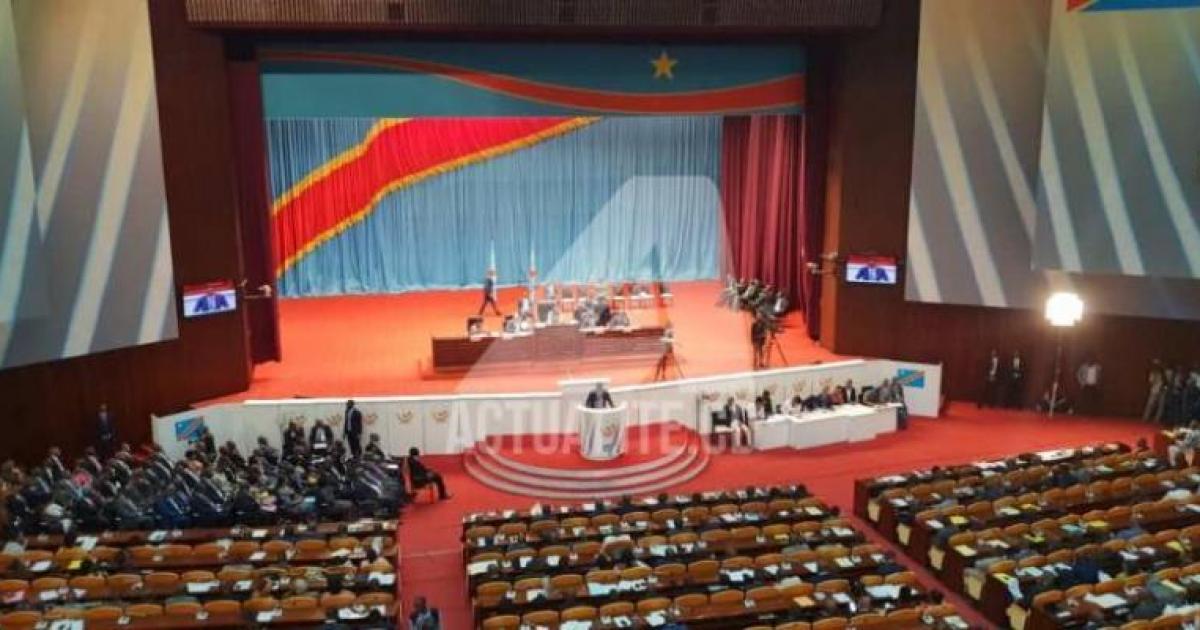
Assemblée Nationale RDC: Examen Propositions Loi CENI Électorale Reporté
Summary
- The National Assembly of the Democratic Republic of Congo indefinitely postponed the review of two draft electoral laws.
- These legislative proposals aimed to modify laws concerning the Independent National Electoral Commission (CENI) and the general electoral law.
- The decision occurred during a plenary session on Friday, November 27, 2026.
- The indefinite delay means the current electoral legal framework remains in effect.
- This postponement impacts strategic planning for future electoral processes in the DRC.
What Happened
For lawyers advising on electoral processes or political risk in the DRC, this development means that anticipated legislative changes to the `loi électorale Congo` and `réforme CENI RDC` operations have been put on hold indefinitely.
The National Assembly of the Democratic Republic of Congo (Assemblée nationale RDC) recently decided to remove two significant legislative proposals from its plenary session agenda. On Friday, November 27, 2026, the scheduled `examen propositions loi CENI électorale reporté` occurred, meaning the review of these crucial texts was indefinitely postponed. These `propositions de loi RDC` were designed to amend and supplement existing statutes governing the operations of the Independent National Electoral Commission (Commission électorale nationale indépendante), commonly known as CENI, as well as the overarching `loi électorale Congo`.
This unexpected `report examen loi électorale` signifies a pause in the legislative process for electoral reforms. The decision to pull these items from the agenda of the plenary session means that any anticipated changes to the country's electoral framework, which were contingent on the passage of these specific draft laws, will not proceed as previously expected. The indefinite nature of the postponement, indicated by the term "sine die," leaves the timeline for their reconsideration uncertain.
Legislative Context
The legislative proposals in question aimed to modify and complete the legal framework surrounding the `Commission électorale nationale indépendante` and the broader `loi électorale Congo`. Such reforms are often critical for ensuring the transparency, fairness, and efficiency of electoral processes in any nation. In the DRC, discussions around the `réforme CENI RDC` and the electoral law are frequently central to political discourse, given their direct impact on the conduct of future elections and the legitimacy of their outcomes.
These specific `propositions de loi RDC` sought to update the foundational legal instruments that dictate how CENI operates and how elections are administered. While the precise details of the proposed amendments were not specified in the announcement of the postponement, their very nature suggests an intention to refine or adjust the current electoral system. The indefinite delay of their `examen propositions loi CENI électorale reporté` means that the existing legal provisions will continue to govern electoral matters for the foreseeable future.
Implications of the Delay
The indefinite postponement of the `examen propositions loi CENI électorale reporté` carries significant implications for various stakeholders, particularly those involved in legal and political analysis within the Democratic Republic of Congo. For lawyers advising on electoral processes or political risk in the DRC, this development means that anticipated legislative changes to the `loi électorale Congo` and `réforme CENI RDC` operations have been put on hold indefinitely. This effectively means the current legal framework remains in full effect.
Consequently, any strategic planning or legal advice that was predicated on the imminent passage of these reforms should be re-evaluated to account for this delay. The `report examen loi électorale` ensures that the existing statutes governing the `Commission électorale nationale indépendante` and the conduct of elections will continue to apply, without the modifications envisioned by the now-postponed `propositions de loi RDC`. This situation underscores the dynamic nature of legislative processes and the need for continuous monitoring of political developments in the country.
Practical Implications
Lawyers advising on electoral processes or political risk in the DRC should note that anticipated legislative changes to the electoral law and CENI operations have been postponed indefinitely. This means the current legal framework remains in effect, and any strategic planning or advice predicated on imminent reforms should be re-evaluated to reflect the delay.
Source
Source: Original reporting via Patient
How does this affect you?
Get an AI analysis of this article grounded in your jurisdictions, practice areas, and any policy documents you've uploaded to Wansom.
Finish Reading the Full Story and the Expert Analysis.
Get the latest legal & regulatory intelligence in DR Congo
Wansom is AI and can make mistakes.