
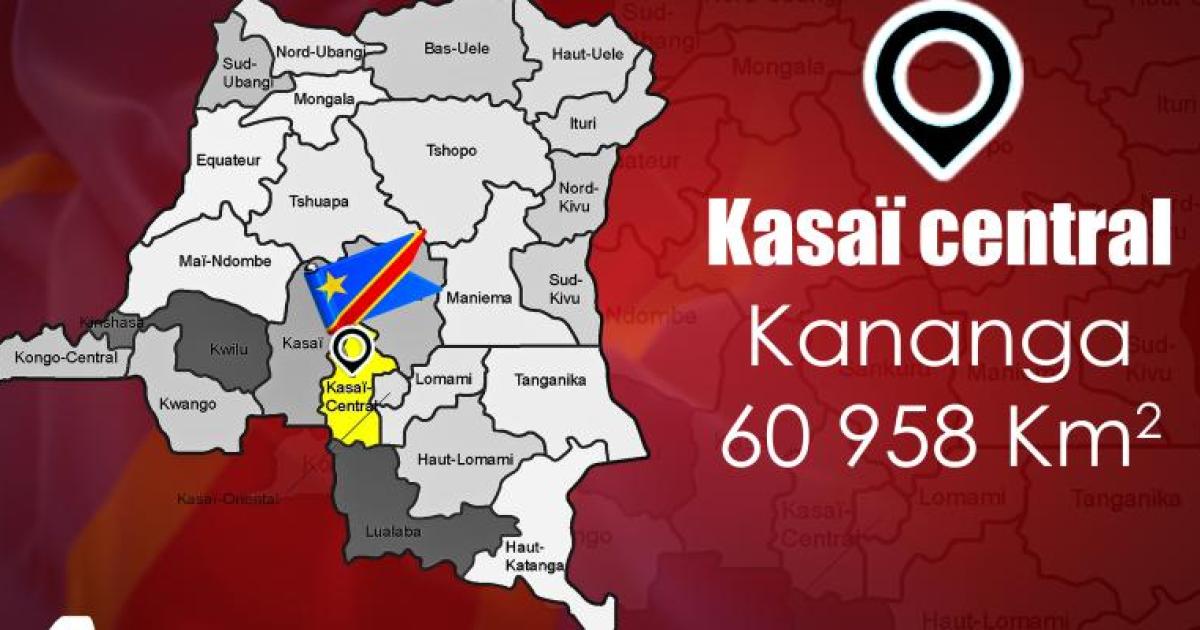
Kasaï-Central PME: TRANSFORME Subventions Prélèvements Spark Outcry
Summary
- Small and medium-sized enterprises (PME) in Kananga, Kasaï-Central, have reported alleged irregularities in the management of their subsidies from the TRANSFORME project.
- The PME specifically denounce unauthorized deductions, or "prélèvements," from their allocated funds.
- In response to these alleged financial improprieties, the beneficiary PME have collectively halted their participation in the disbursement of the project's second funding tranche.
- The TRANSFORME project aims to support these businesses, and the reported issues raise concerns about the integrity of public fund management in the Democratic Republic of Congo.
What Happened
The decision by the PME to suspend their participation in the décaissement deuxième tranche TRANSFORME carries significant implications beyond the immediate financial concerns.
In the provincial capital of Kananga, located within the Kasaï-Central region, a significant number of small and medium-sized enterprises (PME) participating in the government-backed TRANSFORME project have voiced serious concerns regarding the administration of their financial support. These businesses are beneficiaries of subsidies intended to foster their growth and development, yet they report encountering alleged irregularities in the handling of these crucial funds. The core of their complaint centers on unexpected deductions, or "prélèvements," being made from their allocated subventions.
These PME beneficiaries have explicitly denounced these alleged financial practices, asserting that the deductions are unauthorized and undermine the very purpose of the TRANSFORME project. As a direct consequence of these reported issues, the affected businesses have taken a decisive step: they have collectively suspended their involvement in the upcoming disbursement of the second tranche of funding. This action serves as a clear protest against the perceived mismanagement and an attempt to draw attention to the alleged financial improprieties impacting their operations. The situation underscores a critical challenge for the Kasaï-Central PME TRANSFORME subventions prélèvements issue, potentially hindering the project's progress.
Regulatory Scrutiny and Financial Integrity
The allegations of deductions from PME subsidies under the TRANSFORME project in Kasaï-Central raise important questions about the integrity of public fund management within the Democratic Republic of Congo (RDC). Subsidies are typically allocated with specific objectives, and any unauthorized "prélèvements" could signify a breach of financial protocols and the terms under which these funds are provided. The legal framework governing the distribution and oversight of public funds in the RDC emphasizes transparency, accountability, and the direct benefit to the intended recipients.
For lawyers advising PME involved in such initiatives, a thorough review of the funding agreements and the legal basis for any deductions is paramount. The denunciation by the PME suggests a potential disconnect between the project's stated goals and its operational execution, particularly concerning the flow of funds. Ensuring that the management of funds aligns with national financial regulations and the specific conditions of the projet TRANSFORME RDC irrégularités is crucial to prevent further erosion of trust and to protect the interests of the beneficiary enterprises. The proper gestion fonds publics RDC PME is not merely an administrative detail but a cornerstone of economic development.
Broader Implications for Development and Trust
The decision by the PME to suspend their participation in the décaissement deuxième tranche TRANSFORME carries significant implications beyond the immediate financial concerns. It threatens to impede the progress of the TRANSFORME project, which is designed to stimulate economic activity and support local businesses in Kasaï-Central. Such disruptions can have a cascading effect, potentially delaying planned investments, job creation, and overall regional development. The integrity of subventions PME Kasaï-Central dénonciation processes is vital for the success of any government-backed economic stimulus.
Moreover, these reported irregularities risk undermining public confidence in similar development initiatives and the broader commitment to supporting the private sector in the RDC. When beneficiaries experience unauthorized deductions, it can deter future participation and create an environment of skepticism, making it harder to implement future projects effectively. Addressing these concerns promptly and transparently is essential not only for the current beneficiaries but also for safeguarding the reputation and efficacy of future public-private partnerships aimed at fostering economic growth across the nation. The situation highlights the critical need for robust oversight and clear channels for recourse when financial discrepancies arise in public funding programs.
Practical Implications
Lawyers advising Small and Medium Enterprises (SMEs) in the Democratic Republic of Congo, especially those participating in government-backed initiatives like the TRANSFORME project, should be aware of reported irregularities concerning subsidy deductions. This highlights potential compliance risks and the need for robust legal counsel regarding funding agreements, due diligence on disbursement processes, and potential avenues for legal recourse against mismanagement or illicit charges.
Source
How does this affect you?
Get an AI analysis of this article grounded in your jurisdictions, practice areas, and any policy documents you've uploaded to Wansom.
Finish Reading the Full Story and the Expert Analysis.
Get the latest legal & regulatory intelligence in DR Congo
Wansom is AI and can make mistakes.