
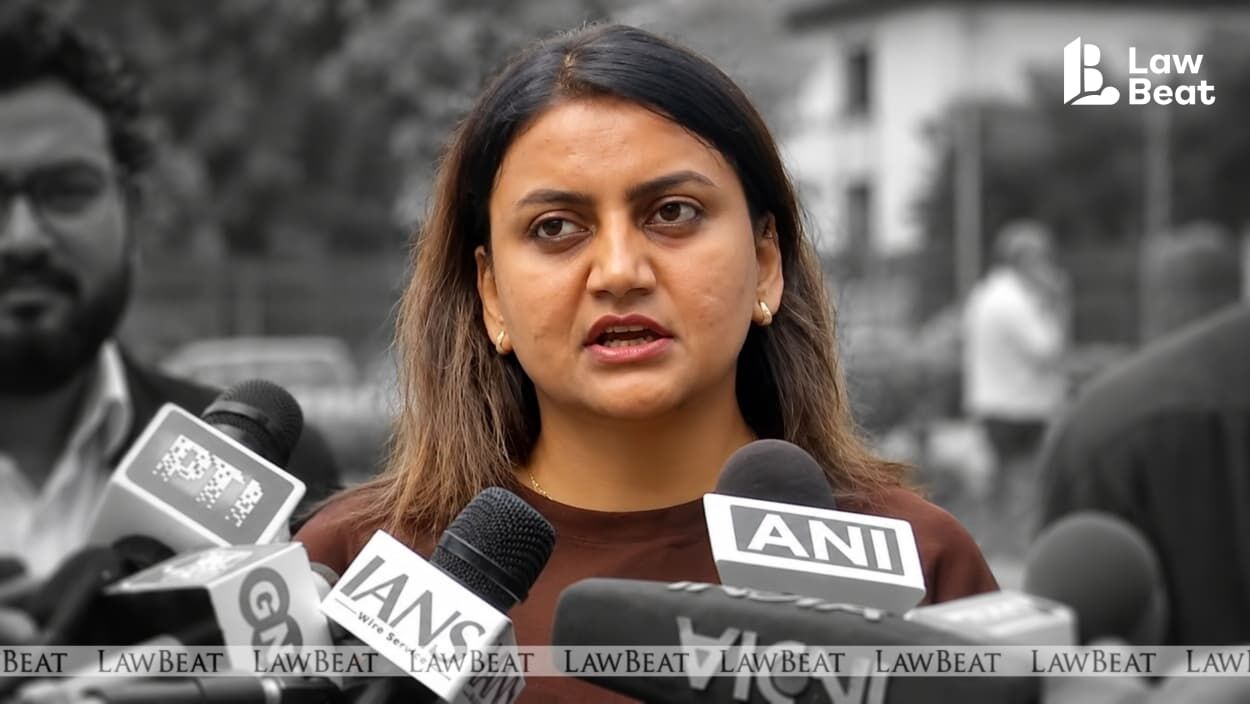
Kausik Chatterjee Seeks Ratna Singh Contempt Action Over 'Judge Master' Posts
Summary
- Advocate Kausik Chatterjee has sought criminal contempt proceedings against Ratna Singh, legal head of the Cockroach Janta Party.
- The action stems from Singh's social media posts alleging a Saket Courts judge was 'serving the master' and 'following order from master'.
- The posts criticized a judicial order from October 10, 2026, which dismissed Singh's petition for an FIR against police personnel.
- Chatterjee argues these statements imply external influence on the judiciary, going beyond permissible criticism of a legal decision.
- The representation invokes specific sections of the Contempt of Courts Act, 1971, highlighting the serious nature of such allegations against judicial independence.
Contempt Action Sought Over Judge 'Serving Master' Posts
For legal practitioners, this case serves as a critical reminder that while criticism of judicial orders is permitted, imputations of a judge 'serving the master' cross a significant line.
A Supreme Court advocate, Kausik Chatterjee, has formally requested the initiation of criminal contempt proceedings against Ratna Singh, who serves as the legal affairs head for the Cockroach Janta Party (CJP). The representation, dated October 14, 2026, was submitted to the Standing Counsel (Criminal) for the Government of Delhi, urging an examination of the evidence and subsequent action before the Delhi High Court.
The basis for this request lies in several social media posts made by Ms. Singh on the platform X. These posts allegedly claimed that a judicial officer presiding over the Saket District Courts was actively "serving" and "following order" from an undisclosed "master." The specific judicial proceedings in question involved Chief Judicial Magistrate Abhinav Pandey of the Saket Courts, District South East, and an order he issued on October 10, 2026. This order had dismissed a petition filed by Ms. Singh herself, which sought the registration of an FIR against police personnel for allegedly wrongfully confining her and preventing her participation in a planned CJP protest against Chief Election Commissioner Gyanesh Kumar, a protest for which the Delhi Police had previously denied permission.
Allegations and Legal Framework
Mr. Chatterjee's representation specifically cites posts from Ms. Singh, including one stating, "Judge serving the master. Went for break/meeting 4 times during entire hearing. Order without any application of law." Another post referenced was, "Judge is following order from master." The advocate contends that these statements extend far beyond legitimate criticism of a judicial order or the reasoning underpinning a court's decision.
Instead, by attributing the judicial officer's conduct and decision-making to an unidentified "master," the posts imply that the court proceedings were subject to control or influence by an external authority, rather than being guided by an independent application of legal principles. Mr. Chatterjee clarified that his concern is not with Ms. Singh's general criticism of the judicial order or her observations about breaks during the hearing, but exclusively with the serious allegation that the judicial officer was acting under external instructions. The representation acknowledges that judicial orders are open to criticism, including robust critiques of their legality, reasoning, and correctness, provided such criticism is made in good faith and within established legal boundaries. It further notes Ms. Singh's public identity as a lawyer, suggesting that her professional background should equip her to distinguish between permissible criticism and imputations that question a judicial officer's independence and impartiality. The representation argues that her statements warrant scrutiny in light of her professional standing and the responsibilities it entails.
The legal framework invoked for this `criminal contempt proceedings India` is Section 15(2) of the `Contempt of Courts Act, 1971`. The representation specifically references Section 2(c)(i) of the Act, which defines criminal contempt to include publications that scandalize or tend to scandalize, or lower or tend to lower, the authority of any court. Additionally, Section 10, which grants the High Court jurisdiction over contempt of subordinate courts, and Section 13, which outlines the statutory threshold of substantial interference, or a tendency to substantially interfere, with the due course of justice, are also cited.
Why Judicial Independence Matters
This case serves as a critical reminder for legal professionals regarding the stringent boundaries of permissible criticism of judicial officers and orders, particularly on public platforms like social media. The allegations made by `Cockroach Janta Party legal head` Ratna Singh, implying a judge was "serving the master," directly challenge the fundamental principle of `Saket Courts judicial independence` and the broader integrity of the Indian judiciary. Such statements, when made by a legal professional, carry significant weight and can be perceived as an attempt to undermine public trust in the impartiality of the courts.
Lawyers and compliance officers must be acutely aware of the risk of initiating `criminal contempt proceedings India` when statements imply judicial bias or external influence, rather than merely critiquing legal reasoning. While `social media criticism judges` and their decisions is a part of a healthy democracy, the `Contempt of Courts Act 1971 Section 15(2)` provides a mechanism to address instances where such criticism crosses into imputations of malafide or external control, which can substantially interfere with the administration of justice. The `Ratna Singh contempt action judge master posts` incident highlights the delicate balance between freedom of expression and the imperative to protect the judiciary from unwarranted attacks on its independence and authority.
Practical Implications
This case serves as a critical reminder for legal professionals regarding the stringent boundaries of permissible criticism of judicial officers and orders, particularly on public platforms like social media. Lawyers and compliance officers must be acutely aware of the risk of initiating criminal contempt proceedings when statements imply judicial bias or external influence, rather than merely critiquing legal reasoning.
Source
How does this affect you?
Get an AI analysis of this article grounded in your jurisdictions, practice areas, and any policy documents you've uploaded to Wansom.
Finish Reading the Full Story and the Expert Analysis.
Get the latest legal & regulatory intelligence in India
Wansom is AI and can make mistakes.