
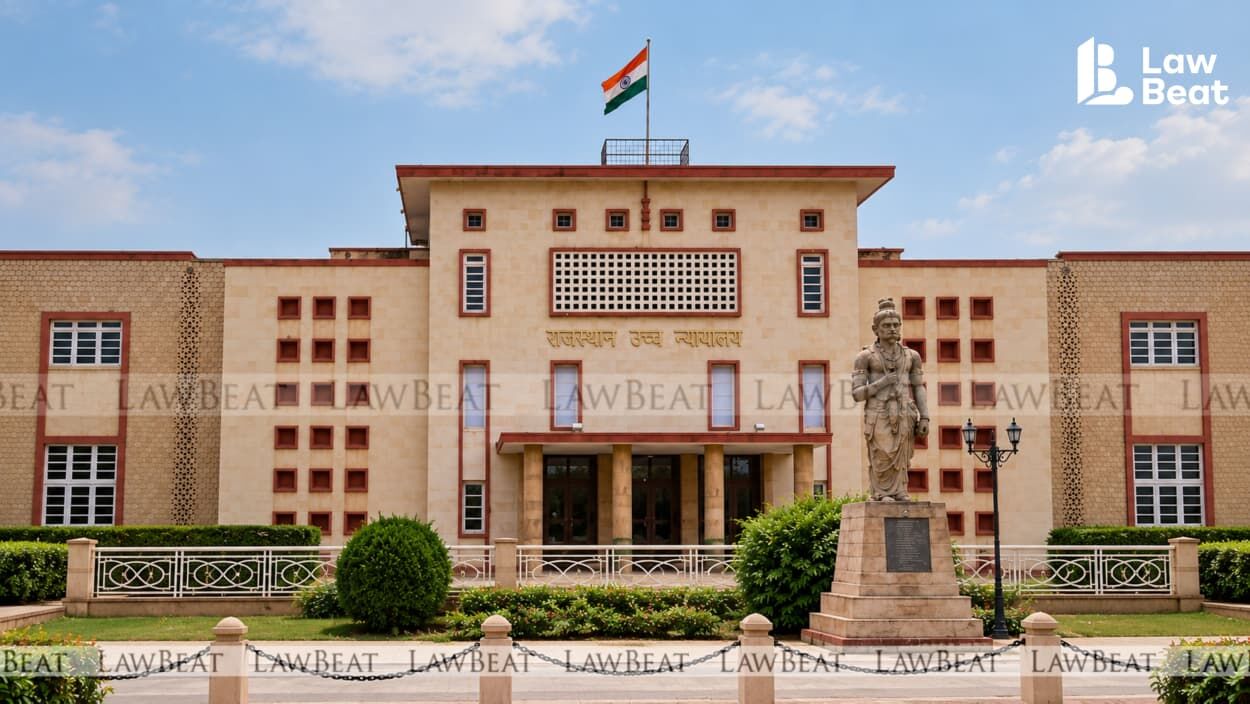
Rajasthan High Court: In Re: Global Identity of the Pink City on UNESCO Threat
Summary
- The Rajasthan High Court has taken *suo motu* cognizance of the degradation of Jaipur's Walled City, a UNESCO World Heritage Site.
- Justice Pramil Kumar Mathur warned that the site could lose its UNESCO status by December 2026 due to illegal constructions and inadequate heritage protection.
- The court's action, initiated on September 26 in *In Re: Global Identity of the Pink City*, followed a news report detailing the city's heritage issues.
- UNESCO's World Heritage Committee had previously expressed concerns in 2023 and 2025 regarding demolitions and weak enforcement.
- Notices have been issued to various state and local authorities to address the alarming degradation and implement remedial measures.
Judicial Intervention for Heritage Preservation
Justice Mathur explicitly warned that Jaipur's Walled City faces a significant risk of losing its coveted UNESCO World Heritage Site status unless effective remedial measures are implemented by December 2026.
The Rajasthan High Court has initiated *suo motu* proceedings concerning the escalating degradation of Jaipur's historic Walled City, a site recognized by UNESCO as a World Heritage Site since 2019. Justice Pramil Kumar Mathur, presiding over the Jaipur Bench, issued an order on September 26 in the matter titled *In Re: Global Identity of the Pink City*, following a news report published in Rajasthan Patrika on September 24. This report highlighted critical issues surrounding the preservation and protection of Jaipur's unique heritage.
The court's intervention underscores a serious threat to the city's international recognition. Justice Mathur explicitly warned that Jaipur's Walled City faces a significant risk of losing its coveted UNESCO World Heritage Site status unless effective remedial measures are implemented by December 2026. This judicial action was prompted by concerns over widespread illegal constructions, unauthorized alterations, and encroachments within the core and buffer zones of the heritage area, which are collectively contributing to an alarming decline in its architectural integrity.
Alarming Degradation and International Concerns
The High Court observed that the very architectural integrity that secured Jaipur's inscription as a World Heritage Site in 2019 is now under severe threat. Reports indicate that historically significant structures are being modified or demolished without adhering to established conservation norms. Furthermore, the court expressed deep concern regarding the inadequate enforcement of existing heritage regulations, noting that many development activities proceed without proper heritage impact assessments and that enforcement mechanisms appear either weak or virtually non-existent. This situation is compounded by delays in implementing comprehensive heritage management plans and a notable lack of coordination among various responsible authorities.
These domestic concerns echo warnings previously issued by international bodies. The High Court specifically referenced UNESCO's 2025 decision and related materials concerning the conservation of the Jaipur World Heritage Site. UNESCO's World Heritage Committee had previously raised concerns about the state of conservation, including reports of historic houses being demolished within the property, pointing to insufficient enforcement of heritage protection measures. The Committee also highlighted issues with the operational capacity of the Heritage Cell, reiterating concerns first flagged in 2023. The court emphasized that these repeated warnings, culminating in the December 2026 deadline, necessitate urgent and effective action to prevent the delisting of the site.
Legal Mandate and Far-Reaching Consequences
To address the critical situation, the Rajasthan High Court formally treated the newspaper report as a *suo motu* writ petition, exercising its powers under Rule 385-P of the Rajasthan High Court Rules, 1952. This legal mechanism allows the court to take direct cognizance of matters of public interest. Consequently, notices have been issued to a broad spectrum of governmental and administrative bodies, including the State Government, the Urban Development and Housing Department, the Local Self Department, the Department of Archaeology and Museums, the Jaipur Development Authority, Jaipur's municipal corporations, and the Heritage Cell.
The potential loss of Jaipur's UNESCO World Heritage recognition carries significant ramifications beyond its cultural prestige. The court highlighted that such a delisting could severely impact Jaipur's tourism potential, local economy, and global stature. It also serves as a stark reminder of the irreversible loss of heritage attributes that can occur due to uncontrolled urban development, citing the precedent of four other sites that have previously been removed from UNESCO's World Heritage List for similar reasons. This judicial intervention, therefore, aims to safeguard not just the physical heritage but also the broader socio-economic and cultural identity of the Pink City.
Practical Implications
Lawyers and compliance officers advising on urban development or real estate projects in or near heritage sites, especially UNESCO World Heritage Sites in India, should be aware of the increased judicial scrutiny and potential for *suo motu* intervention by High Courts. This ruling signals a heightened risk of legal challenges and stricter enforcement of heritage protection laws, requiring thorough heritage impact assessments and adherence to conservation norms to avoid project delays or legal penalties.
Source
How does this affect you?
Get an AI analysis of this article grounded in your jurisdictions, practice areas, and any policy documents you've uploaded to Wansom.
Finish Reading the Full Story and the Expert Analysis.
Get the latest legal & regulatory intelligence in India
Wansom is AI and can make mistakes.