
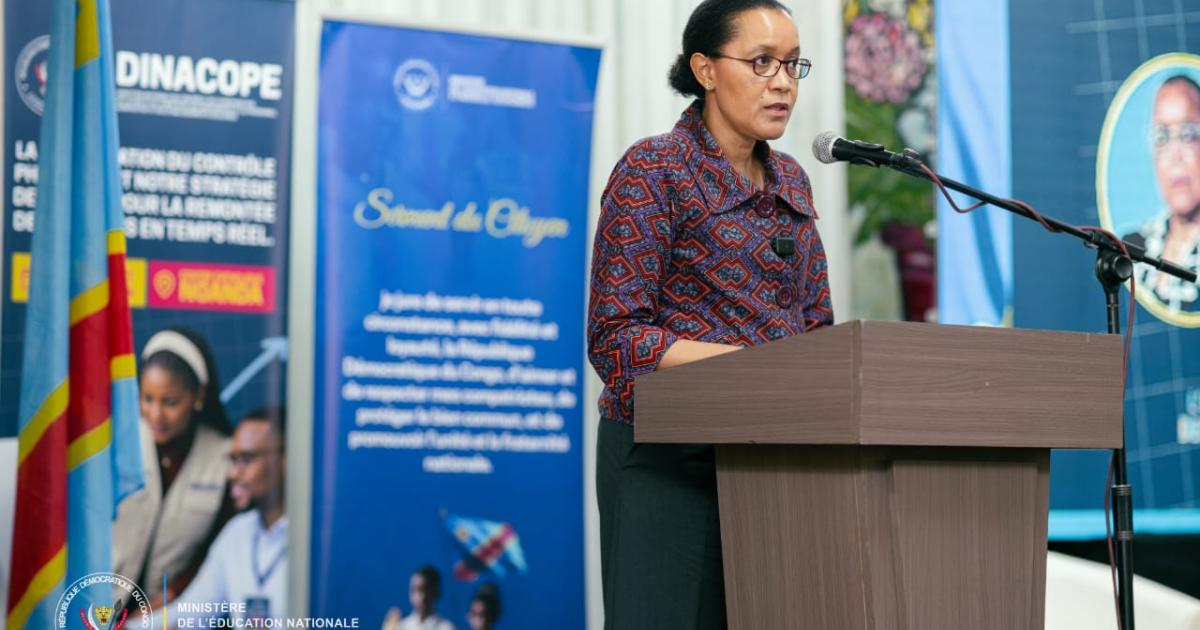
Dinacope Provincial Directors: Raissa Malu Calls for Reliable Teacher Pay in CD
Summary
- Raissa Malu, Congolese Minister of State for National Education and New Citizenship, has issued a directive to provincial directors of Dinacope to ensure reliable payment of teacher salaries.
- The directive emphasizes the importance of transparency, accountability, and compliance with education laws and regulations in managing teacher compensation.
- Malu's call to action is part of ongoing efforts to address long-standing issues with teacher compensation in the Democratic Republic of Congo (DRC).
- Lawyers advising Congolese schools should monitor the implementation of Malu's directive to ensure compliance with education laws and regulations regarding teacher salaries.
What Happened
Malu's call to action has significant implications for lawyers advising Congolese schools and educators.
In a recent move, Raissa Malu, the Congolese Minister of State for National Education and New Citizenship, has issued a directive to provincial directors of Dinacope, the national paymaster for teachers in the Democratic Republic of Congo (DRC). The directive emphasizes the importance of ensuring reliable payment of teacher salaries. According to reports, this is not an isolated incident, but rather part of ongoing efforts to address long-standing issues with teacher compensation in the DRC. Malu's call to action comes as schools and educators continue to face significant challenges in accessing timely and accurate pay.
The directive has sparked renewed attention on the role of Dinacope in managing teacher salaries, highlighting concerns about transparency, accountability, and compliance with education laws and regulations.
Legal Context
Education law in the DRC requires that teachers receive regular and predictable payment for their services. However, in practice, many educators have faced difficulties in accessing their salaries on time, leading to financial hardship and frustration. The Congolese government has implemented various measures aimed at addressing these issues, including reforms to the paymaster system and efforts to increase transparency around teacher compensation. Malu's directive is seen as a key step forward in this process, underscoring the need for provincial directors to prioritize reliable payment of teacher salaries.
The implications of Malu's directive extend beyond the immediate concerns about teacher compensation, with potential impacts on education quality, student outcomes, and broader social stability in the DRC.
Why It Matters
Malu's call to action has significant implications for lawyers advising Congolese schools and educators. As they navigate the complex landscape of education laws and regulations in the DRC, it is essential that they remain vigilant about compliance with teacher salary payment requirements. By monitoring the implementation of Malu's directive, these professionals can help ensure that teachers receive fair compensation, supporting the delivery of quality education to students across the country.
The success of Malu's initiative will depend on the ability of provincial directors to implement reliable payment systems for teacher salaries. This requires a commitment to transparency, accountability, and compliance with education laws and regulations, as well as ongoing support from the Congolese government and international partners.
Practical Implications
Lawyers advising Congolese schools should monitor the implementation of Minister Malu's directive to ensure compliance with education laws and regulations regarding teacher salaries.
Source
How does this affect you?
Get an AI analysis of this article grounded in your jurisdictions, practice areas, and any policy documents you've uploaded to Wansom.
Wansom is AI and can make mistakes.