
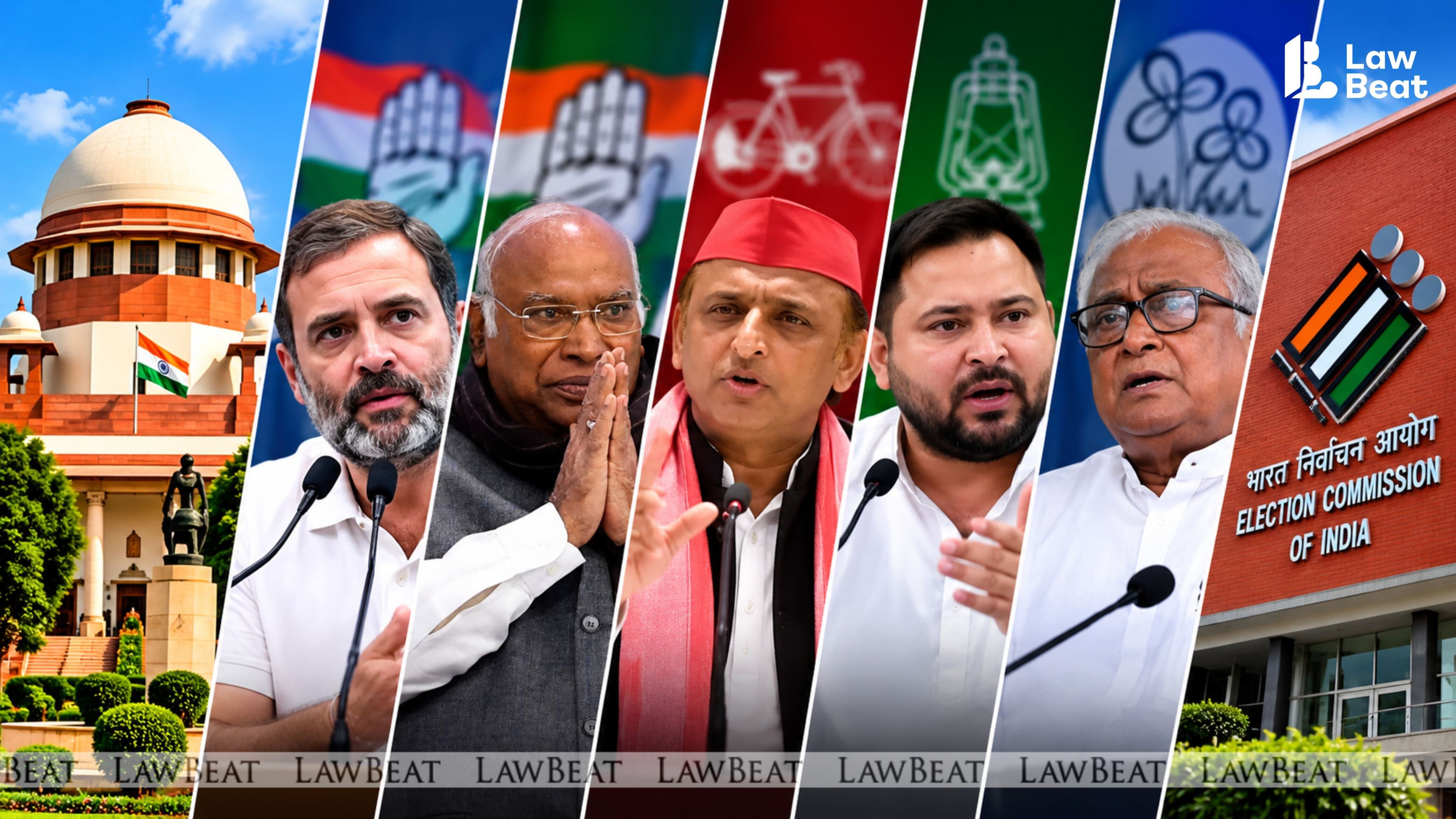
Rahul Gandhi, INDIA Bloc: ECI SIR Files Challenged in SC
Summary
- Rahul Gandhi and the INDIA Bloc have filed an Article 32 petition in the Supreme Court.
- The petition seeks access to the Election Commission of India's internal files and objections related to the Special Intensive Revision (SIR).
- It also demands an independent audit of the ECINET and ERONET databases, to be led by a retired Supreme Court judge.
- An interim suspension of the SIR process across all States is also requested by the petitioners.
- This legal challenge aims to ensure transparency and integrity in the management of voter rolls by the ECI.
Supreme Court Petition Filed
This legal action, focusing on the Election Commission of India's Article 32 petition, brings into sharp focus the judicial oversight of electoral administration.
Leaders from the INDIA Bloc, including Rahul Gandhi, have approached the Supreme Court of India with an Article 32 petition, seeking several critical interventions concerning the Election Commission of India (ECI) and its management of voter data. The petition specifically requests the judiciary to compel the ECI to produce its internal files and all associated objections related to the Special Intensive Revision (SIR) process. This move underscores a significant legal challenge to the ECI's operational transparency regarding electoral roll updates.
Central to the INDIA Bloc's submission is a demand for an independent audit of two crucial ECI databases: ECINET and ERONET. The petitioners advocate for this audit to be conducted by a committee, which they propose should be led by a retired Supreme Court judge. This request highlights concerns over the integrity and accuracy of the voter rolls, suggesting a need for external scrutiny to ensure the reliability of the data underpinning India's electoral system. The petition aims to address potential discrepancies or issues within these vital databases that could impact the fairness of elections.
Legal and Regulatory Context
The filing of an Article 32 petition directly with the Supreme Court signifies a claim of fundamental rights violation, allowing petitioners to seek immediate redress from the highest judicial authority. In this instance, the INDIA Bloc's legal challenge centers on the processes employed by the Election Commission of India for maintaining and revising voter lists, particularly through the Special Intensive Revision. The petition also seeks an interim suspension of the SIR across all States, indicating an immediate concern about the ongoing revision process and its potential impact on voter registration and deletion.
This legal action, focusing on the Election Commission of India's Article 32 petition, brings into sharp focus the judicial oversight of electoral administration. The demands for access to ECI's internal SIR files and an audit of the ECINET and ERONET databases by a retired Supreme Court judge underscore the importance of transparency and accountability in electoral processes. The outcome of this case could establish significant precedents for how the ECI manages its data and how such processes are scrutinized by the judiciary, particularly concerning voter roll deletions India legal challenge.
Why It Matters
The petition by Rahul Gandhi and the INDIA Bloc carries substantial implications for the integrity of India's democratic process. By calling for an independent audit of the ECINET and ERONET databases and demanding the production of ECI's SIR files, the petitioners are directly challenging the robustness and transparency of the voter registration and deletion mechanisms. The integrity of these databases is paramount for ensuring fair and accurate elections, as any inaccuracies or unauthorized deletions could disenfranchise eligible voters or compromise the electoral outcome.
This legal challenge, specifically targeting the Special Intensive Revision Supreme Court, could redefine the scope of judicial intervention in electoral administration. A favorable ruling for the petitioners could lead to enhanced transparency requirements for the Election Commission of India, potentially setting new standards for public access to information regarding voter roll management. Furthermore, the request for a retired judge to lead the audit committee emphasizes the need for an impartial and expert review, which could bolster public confidence in the electoral system and address concerns about INDIA Bloc voter deletion audit.
Practical Implications
Lawyers advising political entities or specializing in electoral law should closely monitor the Supreme Court's proceedings, as the outcome could establish new precedents for the Election Commission's transparency obligations and the judicial oversight of electoral roll revisions and database management.
Source
How does this affect you?
Get an AI analysis of this article grounded in your jurisdictions, practice areas, and any policy documents you've uploaded to Wansom.
Finish Reading the Full Story and the Expert Analysis.
Get the latest legal & regulatory intelligence in India
Wansom is AI and can make mistakes.