
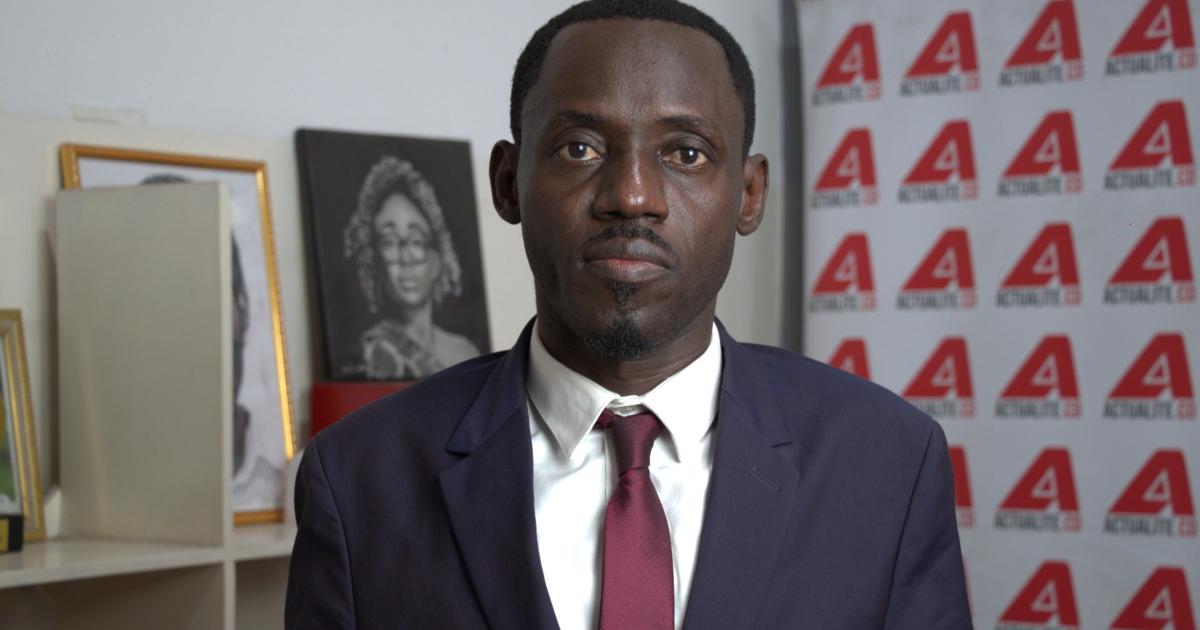
Prince Epenge: DGM Confiscates Passport, Interdiction de Sortie RDC
Summary
- Prince Epenge was blocked from leaving the Democratic Republic of Congo on October 25, 2026.
- The DGM confiscated his passport at N'djili airport, preventing his departure.
- He was scheduled to travel to Rome for a meeting of the Congolese opposition.
- The incident raises concerns about freedom of movement and the arbitrary use of state power against political figures.
Travel Plans Thwarted for Opposition Figure
The DGM's action, specifically the DGM confiscation passeport Prince Epenge at N'djili, highlights the extensive powers held by state migration authorities in controlling citizens' movements.
Prince Epenge, a prominent figure, was prevented from departing the Democratic Republic of Congo on Sunday, October 25, 2026, when authorities at N'djili airport confiscated his passport. This action by the Direction Générale de Migration (DGM) effectively imposed an interdiction de sortie RDC, halting his international travel plans without immediate public explanation.
Epenge had been scheduled to fly to Rome, Italy, where a significant meeting of the Congolese opposition was set to commence the following day, Monday. His intended participation in these discussions underscores the political context surrounding the DGM's intervention, which directly impacted his ability to join his colleagues abroad.
Regulatory Powers and Freedom of Movement
The DGM's action, specifically the DGM confiscation passeport Prince Epenge at N'djili, highlights the extensive powers held by state migration authorities in controlling citizens' movements. While such agencies are tasked with border security, their application of travel restrictions, particularly against political figures, often raises concerns regarding due process and the arbitrary nature of such decisions.
This incident brings into focus the broader issue of freedom of movement for individuals within the RDC, especially those associated with the opposition. The DGM interdiction de voyager, when applied without clear legal justification or recourse, can be seen as a significant impediment to fundamental rights and political participation.
Implications for Political Discourse
The prevention of Prince Epenge's travel and the confiscation of his passport carry substantial implications for the political landscape in the Democratic Republic of Congo. Such measures can be interpreted as attempts to limit the ability of opposition members to organize, strategize, and engage with international partners, thereby affecting the overall health of democratic discourse.
When a figure like Prince Epenge passeport confisqué N'djili, it sends a chilling message to other political actors and civil society members regarding the potential for state interference in their activities. This directly impacts the liberté de circulation RDC opposition, making it more challenging for dissenting voices to operate freely and effectively both domestically and on the international stage.
Practical Implications
Lawyers should advise clients, particularly those in political or civil society spheres, on the potential for arbitrary travel restrictions by state authorities like the DGM, and the legal avenues for challenging such actions, including the lack of due process often associated with such measures.
Source
How does this affect you?
Get an AI analysis of this article grounded in your jurisdictions, practice areas, and any policy documents you've uploaded to Wansom.
Finish Reading the Full Story and the Expert Analysis.
Get the latest legal & regulatory intelligence in DR Congo
Wansom is AI and can make mistakes.