
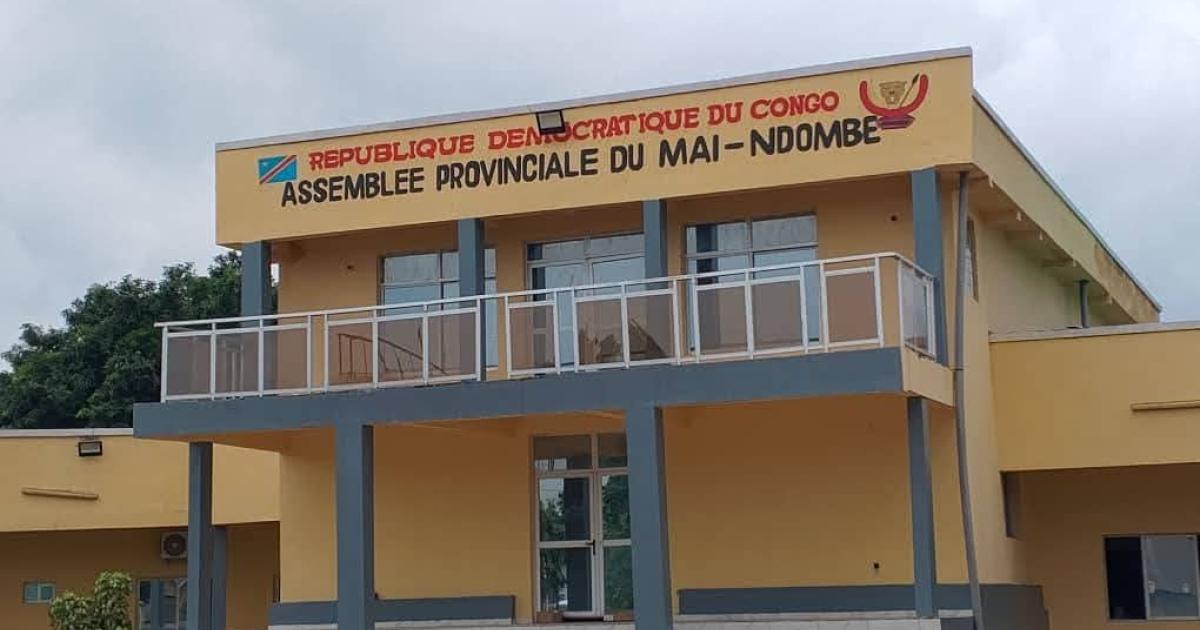
Maï-Ndombe Assemblée Provinciale: Demands Withdrawal of Arrêté Enseignants
Summary
- The Maï-Ndombe Provincial Assembly has intervened in a dispute concerning the education sector.
- The conflict involves the provincial Minister of Education and the inter-union of teachers from educational province Maï-Ndombe 1.
- The Assembly demands the withdrawal of a ministerial decree that dissolved the provisional committee of the teachers' inter-union.
- This situation, reported on October 24, 2026, highlights a significant challenge to ministerial authority.
What Happened
The resolution of the dispute over the Maï-Ndombe Assemblée provinciale arrêté enseignants issue will establish a crucial precedent for the exercise of droit syndical Maï-Ndombe and the limits of administrative power within the Democratic Republic of Congo.
The Maï-Ndombe Provincial Assembly has formally intervened in a significant dispute involving the educational sector of the province. This intervention targets a contentious "arrêté" issued by the provincial Minister of Education. The decree in question mandated the dissolution of the provisional committee representing the intersyndicale des enseignants Maï-Ndombe, specifically those operating within educational province Maï-Ndombe 1. This action by the Minister has ignited a "bras de fer," marking a notable "conflit éducation Maï-Ndombe" that has now drawn the attention of the legislative body.
The Assembly's involvement signals a critical escalation in the ongoing disagreement. It has unequivocally demanded the immediate withdrawal of the ministerial "arrêté" concerning the teachers' union committee. This directive from the Maï-Ndombe Assemblée provinciale arrêté enseignants issue underscores the legislative body's stance against the executive's decision to dismantle the provisional leadership of the teachers' inter-union. The situation, as reported on October 24, 2026, highlights a direct challenge to the Minister's authority by the provincial legislature.
Legal Context
The core of this dispute revolves around the legal validity and scope of the "arrêté" issued by the ministre provincial éducation Maï-Ndombe. An "arrêté" is an administrative order, and its use here to effect the dissolution comité provisoire enseignants RDC raises fundamental questions regarding the droit syndical Maï-Ndombe. The ability of a provincial minister to unilaterally dissolve the provisional leadership of an intersyndicale des enseignants Maï-Ndombe could be perceived as an overreach of executive authority, potentially undermining the established rights of association and representation for workers, particularly in the education sector.
The Provincial Assembly's demand for the withdrawal of this "arrêté" suggests a legislative challenge to the executive's administrative actions. This intervention highlights the checks and balances within the provincial governance structure, where the Assembly acts as a supervisory body over the executive. The Assembly's stance implies that the Minister's decree might be considered ultra vires or an infringement on the autonomy of labor organizations. The outcome of this standoff will likely clarify the boundaries of ministerial power in relation to union activities and the extent to which administrative decrees can impact the organizational structure of professional bodies within the province.
Why It Matters
This conflit éducation Maï-Ndombe carries significant implications beyond the immediate parties involved. The resolution of the dispute over the Maï-Ndombe Assemblée provinciale arrêté enseignants issue will establish a crucial precedent for the exercise of droit syndical Maï-Ndombe and the limits of administrative power within the Democratic Republic of Congo. Should the Minister's "arrêté" dissolving the provisional committee of the intersyndicale des enseignants Maï-Ndombe be allowed to stand, it could embolden executive authorities to intervene more directly in the internal affairs of labor unions. Conversely, if the Provincial Assembly successfully compels the withdrawal of the decree, it would reinforce the protection of union autonomy and the oversight role of the legislature.
The ongoing "bras de fer" between the provincial executive and the teachers' inter-union, now with the legislative body's direct involvement, underscores a critical juncture for governance in Maï-Ndombe. The outcome will not only affect the intersyndicale des enseignants Maï-Ndombe but also potentially influence labor relations across various sectors in the province. Clarity on the scope of ministerial authority to issue such decrees and the provincial assembly's power to intervene in such matters is paramount for maintaining a stable and predictable legal environment for both public administration and civil society organizations. This situation, reported on October 24, 2026, serves as a vital test case for administrative oversight and the safeguarding of fundamental rights in the region.
Practical Implications
Lawyers advising labor unions or educational institutions in Maï-Ndombe should monitor the resolution of this dispute, as it will clarify the scope of ministerial authority to dissolve union committees and the provincial assembly's power to intervene. This case could establish a precedent regarding administrative decrees affecting union rights in the DRC.
Source
How does this affect you?
Get an AI analysis of this article grounded in your jurisdictions, practice areas, and any policy documents you've uploaded to Wansom.
Finish Reading the Full Story and the Expert Analysis.
Get the latest legal & regulatory intelligence in DR Congo
Wansom is AI and can make mistakes.