
Président Sénat Burundi: Critique OPJ Sur Classement et Dettes Civiles
Summary
- The President of the Senate in Burundi has criticized Officiers de Police Judiciaire (OPJ) for shelving cases and imprisoning citizens over civil debt.
- The Senate President recommended that the Minister of Interior transfer the implicated OPJ personnel.
- Human rights defenders argue that merely transferring officers is insufficient and call for more stringent, coercive measures.
- The criticism highlights systemic issues within the Burundian justice system regarding procedural fairness and accountability.
Senate President Criticizes Judicial Police
Human rights defenders in Burundi have asserted that this action alone is insufficient to rectify the deep-seated problems.
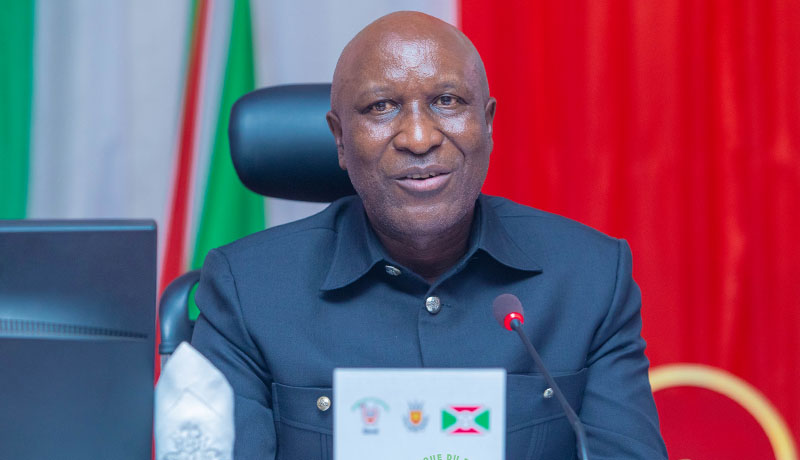
The President of the Senate in Burundi has recently voiced significant concerns regarding the conduct of Officiers de Police Judiciaire (OPJ), placing their practices under intense scrutiny. This high-level criticism highlights specific systemic issues that are reportedly undermining public confidence in the judicial process. The Senate President's remarks represent a direct challenge to the current operational standards of these judicial police officers.
Among the primary grievances articulated by the Président Sénat Burundi critique OPJ are the widespread practice of shelving cases without resolution, known as "classement sans suite des dossiers," and the controversial imprisonment of citizens for civil debt. These actions, according to the Senate President, point to serious deficiencies in how justice is administered at the initial stages. The implications of such practices extend to the fundamental rights of Burundian citizens.
In response to these identified problems, the Senate President has formally recommended that the Minister of Interior take action. Specifically, the recommendation calls for the transfer of the implicated OPJ personnel. This measure is proposed as a way to address the immediate issues and signal a commitment to improving the integrity of the judicial police force.
Human Rights Advocates Demand More Robust Action
While the Senate President's recommendation to transfer OPJ personnel is a step towards acknowledging the issues, human rights defenders in Burundi have asserted that this action alone is insufficient to rectify the deep-seated problems. These advocates argue that merely reassigning officers does not address the systemic flaws that allow such practices as arbitrary case shelving and civil debt imprisonment to persist. Their perspective underscores a demand for more comprehensive and impactful solutions.
Human rights organizations contend that the current situation necessitates the implementation of more stringent, "coercive measures" to ensure accountability and prevent future abuses. They emphasize that the issues of "classement sans suite des dossiers" and the jailing of individuals over civil debts are not isolated incidents but rather symptoms of broader structural weaknesses within the police and judicial apparatus. This viewpoint highlights the need for a more robust framework for oversight and enforcement.
The concerns raised by Droits de l'Homme Burundi police advocates suggest that a fundamental overhaul of certain operational procedures and accountability mechanisms is required. They believe that without such measures, the underlying causes of the grievances will remain unaddressed, potentially leading to a continuation of practices that infringe upon citizens' rights and erode trust in the justice system. The call for "other coercive measures" implies a need for penalties, training, or policy changes that go beyond simple reassignments.
Implications for Judicial Reform in Burundi
The public criticism from the Senate President, coupled with the demands from human rights defenders, signals a potential turning point for judicial reform in Burundi, particularly concerning the role and conduct of Officiers Police Judiciaire Burundi. The issues of unresolved cases and imprisonment for civil debt are critical indicators of procedural fairness and adherence to legal principles. Addressing these concerns is paramount for strengthening the rule of law and ensuring equitable access to justice for all citizens.
The call for transfers by the Senate President, and the subsequent demand for more significant interventions by human rights groups, collectively underscore the urgency for a comprehensive Réforme judiciaire Burundi OPJ. Such a reform would likely need to examine the training, oversight, and disciplinary processes for OPJ personnel, ensuring that their actions align with national laws and international human rights standards. The involvement of the Ministre Intérieur Burundi OPJ in implementing any changes will be crucial.
Ultimately, the ongoing debate surrounding the OPJ's conduct, particularly regarding the handling of civil debt cases and the shelving of dossiers, reflects a broader societal demand for greater transparency and accountability within the Burundian justice system. The outcome of this scrutiny could lead to significant policy adjustments aimed at preventing future abuses and restoring public confidence in the institutions responsible for upholding justice.
Practical Implications
Lawyers in Burundi should be aware of the heightened scrutiny on Officiers de Police Judiciaire (OPJ) practices, particularly regarding the handling of civil debt cases and case shelving. This public criticism from the Senate President may signal impending reforms or increased oversight, which could impact procedural fairness and client representation in cases involving OPJ actions. It also provides a basis for challenging OPJ conduct that aligns with the grievances raised.
Source
How does this affect you?
Get an AI analysis of this article grounded in your jurisdictions, practice areas, and any policy documents you've uploaded to Wansom.
Finish Reading the Full Story and the Expert Analysis.
Get the latest legal & regulatory intelligence in Burundi
Wansom is AI and can make mistakes.