
Rumonge CNDD-FDD: Forced Levies Deny Water Access to Residents
Summary
- Residents and traders in Rumonge, Burundi, are being forced to make financial contributions to fund a local CNDD-FDD party headquarters.
- Households that fail to pay a 2,000 Burundian franc levy are being denied access to public drinking water by CNDD-FDD activists and the Imbonerakure youth wing.
- Traders face demands of one to five million Burundian francs by January 2027, accompanied by explicit warnings from the CNDD-FDD district secretary, Laurent Nkengurutse.
- Local administrative authorities are aware of these collections but reportedly face difficulties intervening against ruling party officials.
- The community views these forced levies and water restrictions as illegitimate and a violation of the right to essential services.
What Happened in Rumonge
The practice of conditioning access to essential drinking water on financial contributions to a political party is seen by residents as an unacceptable penalty based on their ability or willingness to fund partisan projects.
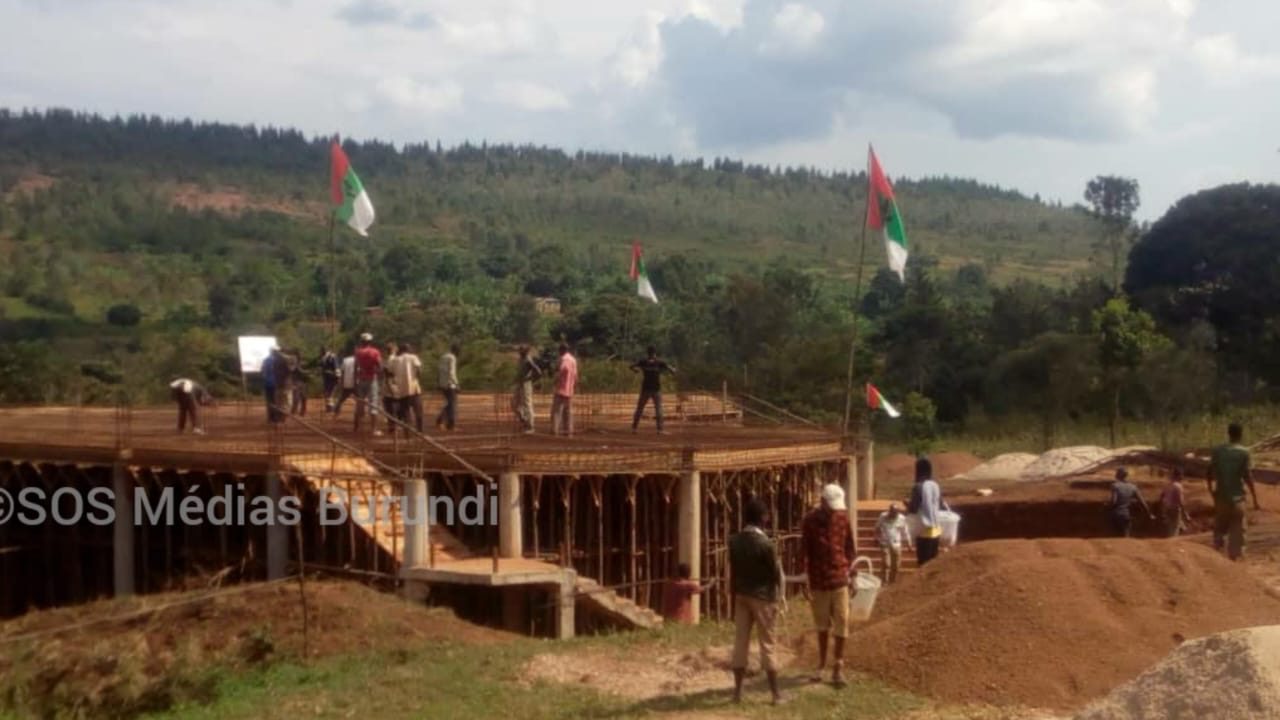
Residents and traders in Rumonge's port district, located in Burundi's southwestern Burunga province, are currently facing demands for financial contributions to support the construction of a local headquarters for the ruling CNDD-FDD party. These collection efforts, which commenced in September 2026, reportedly target individuals irrespective of their political affiliation. Households that fail to meet these demands are allegedly being denied access to public water taps in specific neighborhoods, a critical issue in the region.
The financial pressure extends to both businesses and private citizens. Traders have been asked to contribute substantial sums, while households were solicited for 2,000 Burundian francs each between September and October 2026. This widespread collection campaign, which does not differentiate between CNDD-FDD members and non-affiliated citizens, has led to significant distress among the local population.
The Demands and Threats
The CNDD-FDD's district secretary in Rumonge, Laurent Nkengurutse, has been instrumental in these fundraising efforts. Letters dispatched to various traders, party members, and sympathizers indicate that the remaining construction work for the party headquarters requires an estimated budget exceeding 900 million Burundian francs. These communications, reviewed by SOS Médias Burundi, specify that some traders are expected to contribute between one and five million Burundian francs, with a deadline of January 2027 for deposits into CNDD-FDD bank accounts within the district.
The letters also contain a stark warning for those who do not comply. "We know where you work, we are aware of your activities, and we are giving you until January to have paid your contributions," states one such communication. Shopkeepers interpret these messages as direct threats, questioning the legitimacy of being compelled to finance a political party's infrastructure, especially when they are not members. They argue that such projects should be voluntarily funded by the party's own supporters.
Community Outcry and Official Inaction
The community's concerns are not limited to the financial burden; they also encompass the principle of access to essential services. Residents report that members of the Imbonerakure, the ruling party's youth wing, alongside other CNDD-FDD activists, have actively prevented non-contributing households from accessing public water points. This has forced many affected individuals to pay the requested sums simply to secure access to drinking water, highlighting a severe denial of water access in Burundi.
Local administrative authorities in Rumonge's port district are reportedly aware of these widespread collections and the associated water restrictions. However, sources close to these officials indicate a reluctance or inability to intervene against ruling party members, to whom many of these administrators themselves belong. This situation raises serious questions about the capacity of local governance to protect citizens from politically motivated financial pressure and human rights violations.
Implications for Rights and Services
The situation in Rumonge underscores significant concerns regarding human rights and the provision of basic services in Burundi. The practice of conditioning access to essential drinking water on financial contributions to a political party is seen by residents as an unacceptable penalty based on their ability or willingness to fund partisan projects. They firmly believe that contributing to a political party's infrastructure should never be a prerequisite for accessing fundamental services.
This ongoing imposition of Rumonge CNDD-FDD forced levies and the subsequent water access restrictions represent a troubling precedent. It suggests that the construction of a party office is being treated not as a voluntary endeavor for its members, but as a mandatory financial obligation for the entire population, directly impinging on the fundamental right to water. The broader context of Burundi CNDD-FDD financial contributions and Imbonerakure water restrictions points to a systemic issue where political power is leveraged to extract resources and control essential utilities.
Practical Implications
Lawyers advising clients in Burundi should be aware of the significant compliance risks posed by political parties imposing forced financial contributions and restricting access to essential services. This situation highlights potential extortion and human rights violations, necessitating robust due diligence and risk mitigation strategies for businesses operating in affected regions.
Source
How does this affect you?
Get an AI analysis of this article grounded in your jurisdictions, practice areas, and any policy documents you've uploaded to Wansom.
Wansom is AI and can make mistakes.