
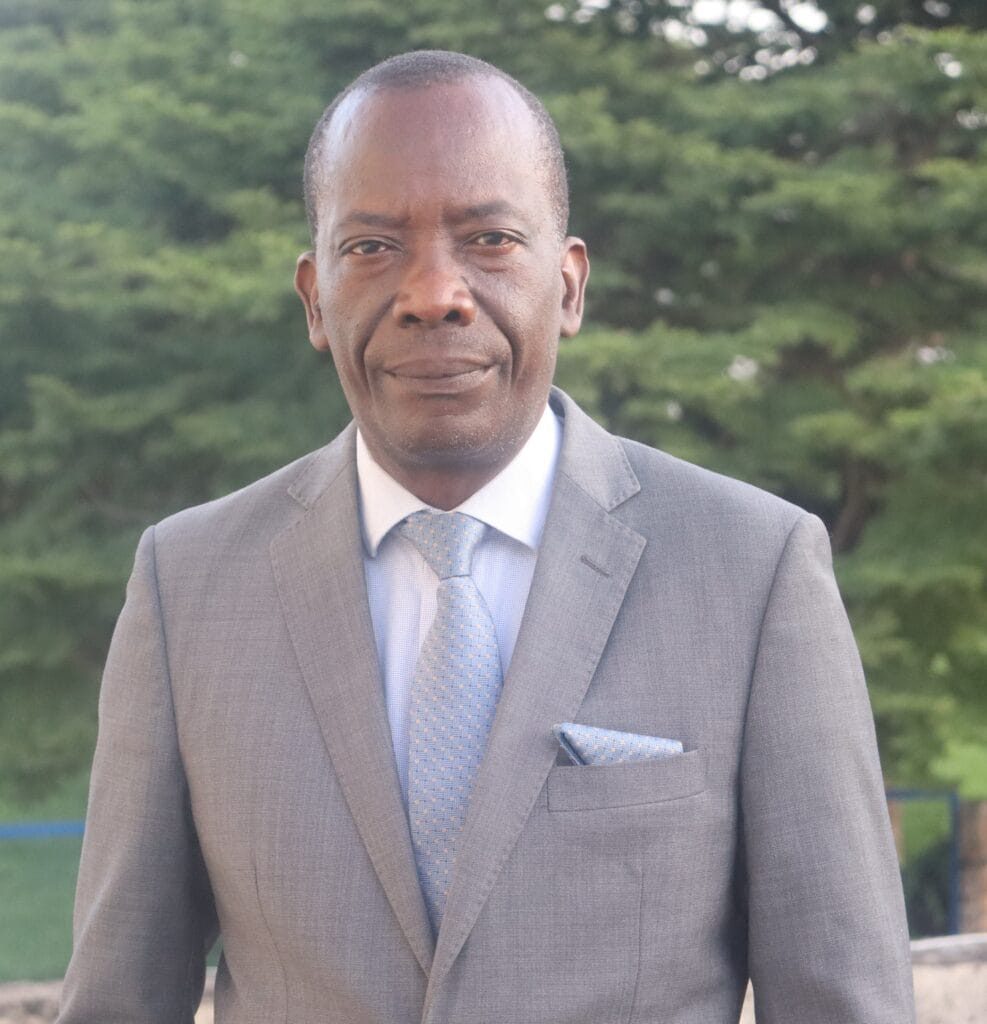
Burundi CNC: Nathan Ntahondi Elected President, Vows Media Modernization
Summary
- Nathan Ntahondi was unanimously elected as the new president of Burundi's National Communication Council on November 6, 2026.
- Ntahondi has pledged to modernize the CNC, prioritize dialogue over sanctions, and adapt media regulation to the digital age.
- Other key appointments include Léonce Ntakirutimana as Vice-President, Yvette Irambona as Treasurer, and Felyne Munezero as Legal Counsel.
- Reporters Without Borders' 2026 World Press Freedom Index ranked Burundi 119th out of 180 countries, noting ongoing challenges despite a slight improvement.
- The new president's promises are anticipated to address concerns about media surveillance, political pressure, and the CNC's perceived ties to political power.
Leadership Transition at Burundi's Media Regulator
He articulated his vision, stating his dedication to transforming the CNC into a contemporary body that is accessible to media professionals, impartial in its judgments, and safeguards journalists; an institution that regulates through discussion prior to imposing penalties and fostering innovation to meet the demands of the digital era.
On November 6, 2026, Burundi's National Communication Council (CNC), the public entity tasked with overseeing the nation's media sector, announced a significant leadership change. Nathan Ntahondi was unanimously elected as the new president by the institution's 15 members during an extraordinary meeting convened to establish the new board. He assumes the role previously held by Espérance Ndayizeye, who had served as president since 2024. This appointment marks a pivotal moment for the regulatory body, which plays a crucial role in the country's media landscape.
The new leadership team also includes Léonce Ntakirutimana, who steps into the Vice-President position, succeeding the late Laurent Kaganda. Chanel Nsabimbona will continue in her capacity as Executive Secretary, ensuring continuity in administrative functions. Further strengthening the council's structure, Yvette Irambona has been appointed Treasurer, and Felyne Munezero will serve as the new Legal Counsel. Ntahondi brings a wealth of experience to his new post, having previously served as the Director General of Burundian Press Publications (PPB) and chaired the Board of Directors for the Telecommunications Regulatory and Control Agency (ARCT). His background as a specialist in communication and information and communication technologies (ICT) positions him to address the evolving challenges of modern media.
A New Approach to Media Oversight
Upon his appointment, Nathan Ntahondi articulated an ambitious agenda for the Burundi National Communication Council, emphasizing a shift towards modernization and enhanced engagement with media professionals. He has committed to implementing reforms designed to adapt the institution to the rapidly changing media environment, with a particular focus on digital development. A cornerstone of his strategy involves strengthening the relationship between the Council and media entities, proposing regular dialogue to foster a clearer understanding of regulatory requirements and improve overall interaction.
Ntahondi's vision prioritizes dialogue as the primary mechanism for addressing instances of professional misconduct, aiming to resolve issues through discussion before resorting to punitive measures. Concurrently, he intends to encourage journalists to uphold the highest ethical and professional standards in their reporting. He articulated his vision, stating his dedication to transforming the CNC into a contemporary body that is accessible to media professionals, impartial in its judgments, and safeguards journalists; an institution that regulates through discussion prior to imposing penalties and fostering innovation to meet the demands of the digital era. This collaborative approach, he affirmed, will be pursued with the full cooperation of the Council's 15 members.
The Challenging Environment for Burundian Media
The aspirations articulated by the new CNC president emerge within a Burundian media landscape that continues to present significant challenges for journalistic practice, as highlighted by international observers. Reporters Without Borders (RSF), in its 2026 World Press Freedom Index, positioned Burundi at 119th out of 180 countries, with a score of 46.14 out of 100. While this represented a six-place improvement from its 125th ranking in the preceding edition, RSF noted that this progress does not necessarily translate to a substantial enhancement in working conditions for media professionals.
RSF's report specifically criticizes several aspects of the Burundian media environment, including pervasive media surveillance, political pressure exerted on newsrooms, and the prevalence of self-censorship. Journalists in certain provinces reportedly face restrictions, sometimes requiring official authorization or the accompaniment of a public media representative to cover specific stories. The organization also raised concerns about the operational independence of the CNC itself, suggesting its close ties to political power due to the presidential appointment of its members. Furthermore, RSF underscored the precarious economic circumstances faced by journalists and the persistent threats they encounter.
Anticipating Future Directions
Given the backdrop of a media sector still grappling with considerable pressures, Nathan Ntahondi's pledges to transform the CNC into a modern, fair, and protective institution are met with keen anticipation. His commitment to prioritizing dialogue over sanctions and to innovating in response to the digital age represents a potential shift in the regulatory paradigm. The implementation of these stated goals will serve as a crucial benchmark for evaluating the evolving dynamic between the regulatory body and media professionals in Burundi.
The success of these reforms will be closely watched, particularly by those concerned with press freedom and the independence of media operations in the country. Ntahondi's leadership offers the prospect of a more collaborative and less punitive regulatory framework, but its practical realization will determine the extent to which the CNC can shed its image as an instrument of power and genuinely foster a more open and ethical media environment in Burundi.
Practical Implications
Lawyers advising media entities or journalists in Burundi should closely monitor the new CNC president's promised reforms, particularly the stated shift towards dialogue over sanctions and adaptation to digital media. These changes could significantly impact regulatory compliance strategies, the handling of professional misconduct allegations, and overall press freedom dynamics within the country, requiring adjustments in legal counsel and risk assessments for clients operating in the Burundian media sector.
Source
How does this affect you?
Get an AI analysis of this article grounded in your jurisdictions, practice areas, and any policy documents you've uploaded to Wansom.
Finish Reading the Full Story and the Expert Analysis.
Get the latest legal & regulatory intelligence in Burundi
Wansom is AI and can make mistakes.