
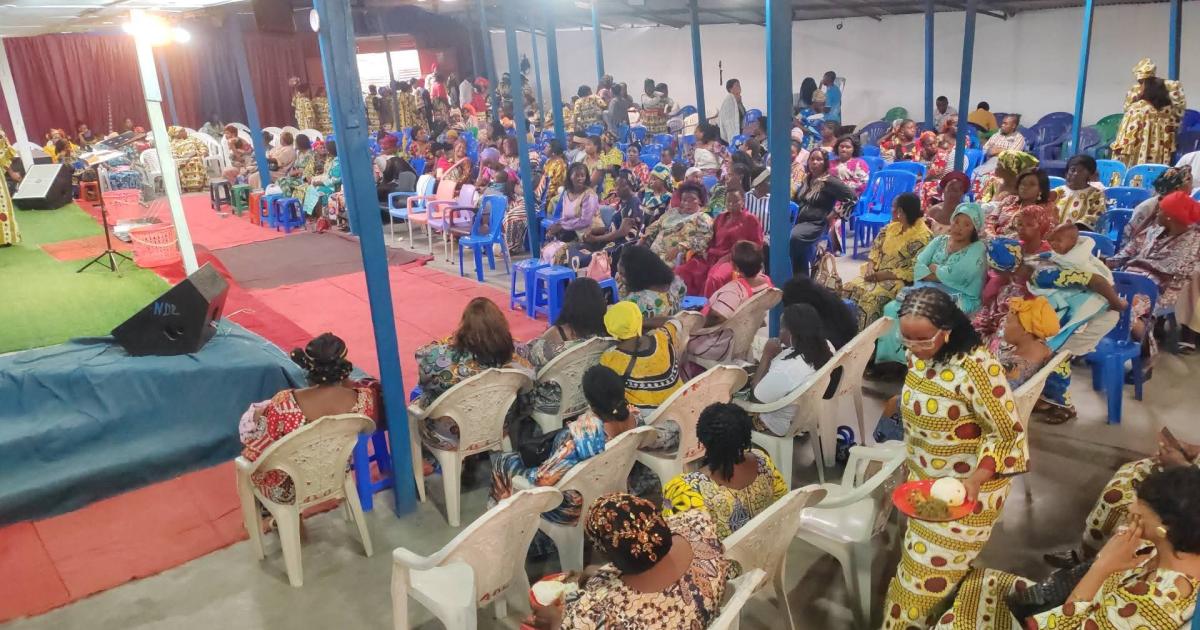
Nord-Kivu: Governor Suspends Ebola Funeral Rites to Curb Spread
Summary
- Nord-Kivu is facing increasing risks of Ebola virus disease contamination.
- Governor Somo Evariste issued new public health measures on November 26, 2026.
- These measures include the suspension of memorial services for the deceased.
- Funeral wakes have also been prohibited as part of the new regulations.
- The actions aim to combat the spread of the Ebola epidemic in the region.
New Ebola Containment Measures Enacted
The comprehensive suite of DRC Ebola measures underscores the gravity of the public health crisis and the urgent need for decisive intervention to protect the population of Nord-Kivu.
Authorities in Nord-Kivu have implemented stringent new public health directives aimed at curbing the escalating risks associated with Ebola virus disease (EVD) contamination. These critical measures were formally adopted on Thursday, November 26, 2026, in response to the increasingly perilous epidemiological situation across the region. The primary objective is to disrupt potential transmission chains, particularly those linked to traditional communal gatherings.
Governor Somo Evariste issued the decree, which specifically targets activities known to pose a high risk for viral spread. Among the most significant changes are the immediate suspension of all memorial services dedicated to the deceased, often referred to as 'cultes à la mémoire des défunts.' This action reflects a direct effort to limit close physical contact and large assemblies that can facilitate the rapid dissemination of the virus within communities.
Furthermore, the new regulations explicitly prohibit funeral wakes, known locally as 'veillées mortuaires.' These traditional gatherings, while culturally significant, present considerable challenges for infection control due to the nature of communal mourning practices. The comprehensive suite of DRC Ebola measures underscores the gravity of the public health crisis and the urgent need for decisive intervention to protect the population of Nord-Kivu.
Legal and Public Health Rationale
The Governor's directive, functioning as a critical piece of Nord-Kivu public health law, leverages executive authority to impose necessary restrictions during a declared health emergency. Such decrees are vital tools for regional governments to respond swiftly to rapidly evolving public health threats like Ebola, which demands immediate and often culturally sensitive interventions. The suspension of both 'cultes défunts Ebola RDC' and 'suspension veillées mortuaires' is a direct response to epidemiological data indicating that traditional funeral practices are significant vectors for EVD transmission.
Ebola is known to spread through direct contact with the blood, secretions, organs, or other bodily fluids of infected people, and with surfaces and materials contaminated with these fluids. Traditional funeral rites, which often involve washing, touching, and preparing the body of the deceased, create high-risk environments for transmission, especially when the deceased succumbed to Ebola. By suspending these activities, the authorities aim to drastically reduce opportunities for viral spread, thereby safeguarding public health.
This decisive action by Governor Somo Evariste highlights the critical balance between respecting cultural traditions and implementing life-saving public health protocols. The legal framework underpinning these measures allows for temporary but impactful restrictions on social and religious practices when the collective well-being of the population is at severe risk from a highly contagious and deadly disease.
Implications for the Region
The implementation of these strict measures carries profound implications for the communities within Nord-Kivu, particularly given the deep cultural significance of funeral and memorial rites. While challenging for residents, these actions are deemed essential to contain the escalating Ebola epidemic. The increasing risks of contamination necessitate a robust and immediate response, even if it means temporarily altering long-standing social customs.
This decree sets a significant precedent for how public health emergencies are managed in the Democratic Republic of Congo, particularly in regions frequently affected by outbreaks. It underscores the government's commitment to prioritizing public safety through proactive and sometimes unpopular measures. The effectiveness of these new regulations will largely depend on community adherence and the robust enforcement mechanisms put in place by regional authorities.
Ultimately, the success of these Nord-Kivu Ebola measures in mitigating the spread of the virus will serve as a critical case study for future public health responses. The immediate focus remains on reducing the current contamination risks and protecting the lives of citizens through these necessary, albeit difficult, public health interventions.
Practical Implications
Lawyers should advise clients, particularly religious institutions and funeral service providers in Nord-Kivu, on the immediate compliance requirements regarding the suspension of funeral rites and wakes to avoid penalties under the new Ebola containment measures. This also sets a precedent for future public health emergency responses.
Source
Source: Original reporting via PMaki
How does this affect you?
Get an AI analysis of this article grounded in your jurisdictions, practice areas, and any policy documents you've uploaded to Wansom.
Finish Reading the Full Story and the Expert Analysis.
Get the latest legal & regulatory intelligence in DR Congo
Wansom is AI and can make mistakes.