
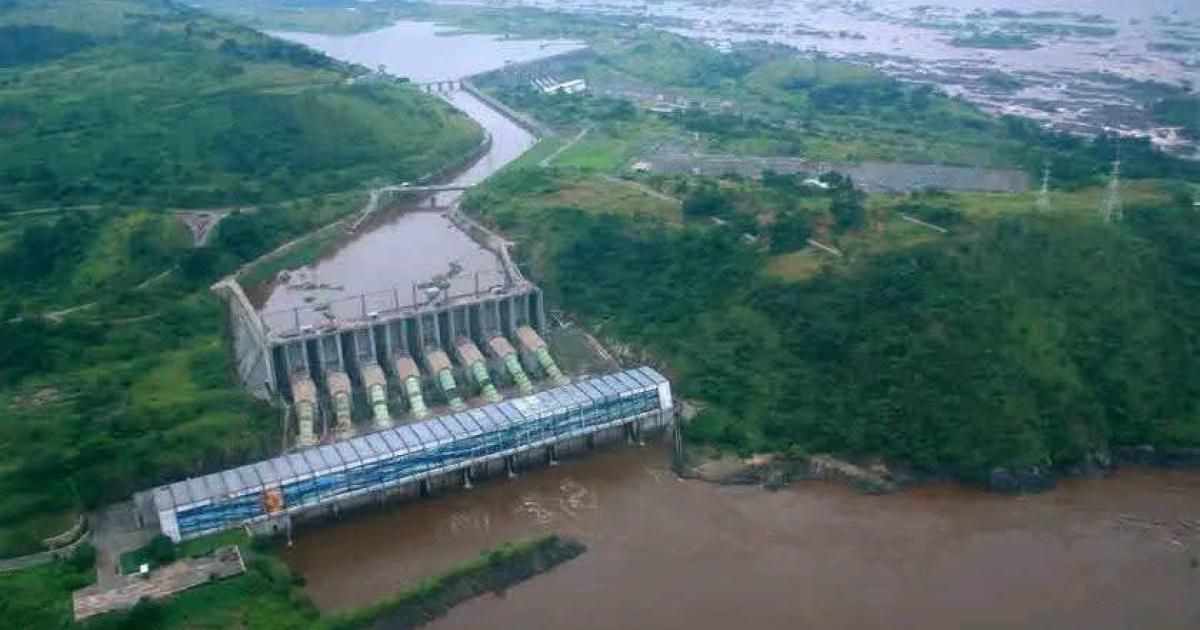
Kwamouth Militia: Demands Dam Authorization for Prospecting
Summary
- A militia leader in Kwamouth has demanded government consultation to authorize dam prospecting.
- The Mobondo militia, active in Maï-Ndombe province, issued this demand.
- The request pertains to the initial prospecting phase for a new dam construction project.
- This incident highlights persistent security challenges for infrastructure development in the region.
- The demand was reported on November 28, 2026.
What Happened
The demand for Kwamouth militia dam authorization underscores the complex legal and operational risks faced by infrastructure projects in conflict-affected regions.
A militia leader operating in Kwamouth, a territory within the Maï-Ndombe province, has issued a direct demand to the government, insisting on official consultation to grant authorization for preliminary prospecting work related to a proposed dam construction. This unusual request, reported on November 28, 2026, highlights the significant influence non-state actors seek to exert over state-led development initiatives in the Democratic Republic of Congo.
The demand specifically targets the initial exploratory phase of the infrastructure project, indicating that the militia leader expects to be a key decision-maker in allowing access for surveys and assessments. This assertion of authority by a non-governmental entity over a critical infrastructure project underscores the volatile security landscape in the region.
Persistent Security Challenges
The demand for Kwamouth militia dam authorization arises amidst a backdrop of ongoing instability, with the Mobondo militia maintaining a persistent threat presence across Kwamouth and the broader Maï-Ndombe province. The group's continued activity creates a challenging environment for any large-scale development, including essential infrastructure projects.
The Mobondo militia's enduring influence means that any significant undertaking, such as ensuring Maï-Ndombe dam project security, must contend with the realities of local power dynamics. This situation necessitates a careful approach from governmental bodies and potential developers, as the militia's capacity to disrupt operations remains a critical factor.
Implications for Infrastructure Development
This explicit demand for authorization from a non-state armed group introduces considerable legal and operational risks for infrastructure projects in conflict-affected areas like Kwamouth. Lawyers advising on such ventures must now factor in the potential for non-state actors to assert control over project phases, from initial prospecting to full construction. The incident underscores the critical need for enhanced due diligence when planning DRC infrastructure project security, particularly in regions where governance is contested.
The demand for Kwamouth militia dam authorization underscores the complex legal and operational risks faced by infrastructure projects in conflict-affected regions. Engaging with or acknowledging the demands of groups like the Mobondo militia for Kwamouth government consultation militia could set precedents, complicating future project implementations and raising questions about the legitimacy of such authorizations.
Navigating Complex Governance
For entities involved in infrastructure development within the Democratic Republic of Congo, this incident highlights the imperative for robust stakeholder engagement strategies that extend beyond traditional governmental channels. While direct negotiation with armed groups is fraught with peril, understanding the local power structures and potential points of friction is crucial for risk mitigation.
Effective planning must incorporate comprehensive risk assessments to navigate complex governance challenges and prevent potential project delays or security threats. The Kwamouth militia dam authorization scenario serves as a stark reminder that successful project execution in volatile regions requires a nuanced approach that addresses both formal legal frameworks and informal power dynamics.
Practical Implications
Lawyers advising on infrastructure projects in conflict-affected regions like Kwamouth, DRC, must assess the legal and operational risks associated with non-state actors demanding authorization for state-led projects. This situation highlights the need for enhanced due diligence, stakeholder engagement strategies, and robust risk mitigation plans to navigate complex governance challenges and potential project delays or security threats.
Source
How does this affect you?
Get an AI analysis of this article grounded in your jurisdictions, practice areas, and any policy documents you've uploaded to Wansom.
Finish Reading the Full Story and the Expert Analysis.
Get the latest legal & regulatory intelligence in DR Congo
Wansom is AI and can make mistakes.