
Ninth Circuit: Apple AirPods Expert Testimony Dismissal Appealed
Summary
- A lawsuit against Apple alleges a child suffered permanent hearing loss from an Amber Alert played through first-generation AirPods Pro.
- A lower court dismissed the case after ruling the plaintiffs' expert witness, Dr. Yoav Hahn, was unqualified and his conclusions unreliable.
- The Ninth Circuit is now reviewing the dismissal, with arguments focusing on the admissibility of Dr. Hahn's expert testimony.
- Key disputes include the decibel level required for acoustic trauma and whether Covid-19 could be an alternative cause for the injury.
- The appellate court's ruling will clarify expert witness standards in product liability cases involving consumer electronics and alleged injuries.
Case Background and Initial Dismissal
This case highlights the critical importance of establishing the qualifications and methodological reliability of expert witnesses in product liability claims, particularly when dealing with complex causation arguments for novel injury mechanisms.
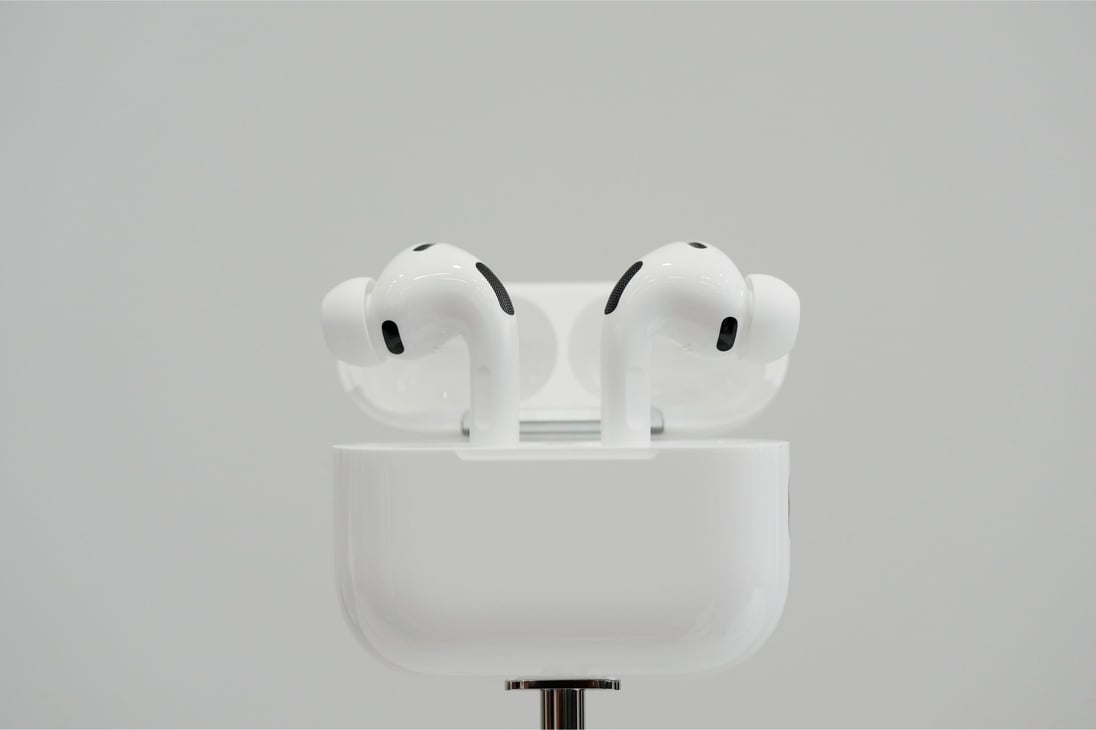
Parents Carlos Gordoa and Ariani Reyes initiated legal action against Apple, alleging that their son sustained severe and permanent hearing damage while using first-generation AirPods Pro. The lawsuit claims that in May 2020, a high-pitched Amber Alert transmitted through the device caused an acoustic trauma, resulting in a torn eardrum, cochlea damage, and lasting hearing loss in the boy's right ear.
However, the case was dismissed by U.S. District Court Judge Jacqueline Scott Corley last April. Judge Corley concluded that the specific AirPods in question were incapable of producing an Amber Alert sound at a volume sufficient to induce acoustic trauma. She emphasized that while the child undeniably suffered tragic hearing loss, the plaintiffs failed to present adequate evidence to establish Apple's liability for these injuries.
Central to the plaintiffs' claim was the expert testimony of Dr. Yoav Hahn, an ear surgeon from Dallas, Texas, who posited that the Amber Alert could have triggered an "acoustic shock" that damaged the boy's ear. Nevertheless, Judge Corley ultimately found Dr. Hahn unqualified to offer an opinion on the injury's cause and deemed his conclusions unreliable. Without this crucial expert testimony, the court determined that the plaintiffs' case could not proceed, leading to its dismissal.
Contested Expert Qualifications and Causation Theories
The dismissal prompted an appeal to the Ninth Circuit, where plaintiff's attorney William Haacker argued that Dr. Hahn was indeed highly qualified to provide expert testimony. Haacker highlighted Dr. Hahn's two decades of clinical experience diagnosing and treating inner ear injuries, asserting that this background made him a suitable expert.
A significant point of contention revolved around the decibel level required to cause acoustic trauma. Haacker challenged Apple's expert's assertion that hearing loss of this nature was impossible below 120 decibels. He referenced a 2002 study concerning call center operators who experienced symptoms similar to the boy's, including tinnitus, ringing in the ears, and vertigo, from sound exposures between 82 and 120 decibels. Conversely, Neil Lloyd, representing Apple, questioned the credibility of this study, noting its publication on a non-peer-reviewed site and arguing that Dr. Hahn had failed to cite any peer-reviewed literature supporting the claim that sound intrusions below 120 decibels could cause such hearing loss.
Further complicating the causation debate was Apple's alternative theory suggesting Covid-19 as the cause of the boy's hearing loss. Haacker refuted this, pointing out that the child exhibited no symptoms prior to the Amber Alert, and the reported symptoms only manifested afterward, specifically affecting his right ear. He also noted that Covid vaccines were not yet available, and testing was not widespread at the time of the injury. Lloyd, however, contended that Dr. Hahn had illogically dismissed Covid-19 as a potential cause, arguing that not exhibiting traditional Covid symptoms like loss of smell does not definitively rule out the virus, especially given studies linking even asymptomatic Covid infections to hearing loss.
Ninth Circuit Scrutiny and Broader Impact
During the appellate proceedings, U.S. Circuit Judge Ryan D. Nelson raised a pertinent question regarding the rarity of such injuries, querying why more cases like the boy's had not emerged if wearing headphones during an Amber Alert could indeed cause the symptoms experienced. Haacker countered that the infrequency of a particular injury should not be a determining factor in assessing the validity of an expert's methodology, asserting that such considerations should ultimately be weighed by a jury.
The ongoing appeal before the Ninth Circuit underscores the critical importance of establishing both the qualifications and the methodological reliability of expert witnesses in product liability claims, especially when novel injury mechanisms are alleged. The court's decision in Gordoa v. Apple will provide significant guidance on expert witness admissibility standards, potentially influencing litigation strategies for similar cases involving consumer electronics and alleged injuries. This case highlights the critical importance of establishing the qualifications and methodological reliability of expert witnesses in product liability claims, particularly when dealing with complex causation arguments for novel injury mechanisms.
Practical Implications
This case highlights the critical importance of establishing the qualifications and methodological reliability of expert witnesses in product liability claims, particularly when dealing with complex causation arguments for novel injury mechanisms. Lawyers should closely monitor the Ninth Circuit's ruling for guidance on expert testimony admissibility standards, which could impact litigation strategy for similar cases involving consumer electronics and alleged injuries.
Source
How does this affect you?
Get an AI analysis of this article grounded in your jurisdictions, practice areas, and any policy documents you've uploaded to Wansom.
Finish Reading the Full Story and the Expert Analysis.
Get the latest legal & regulatory intelligence in United States
Wansom is AI and can make mistakes.