
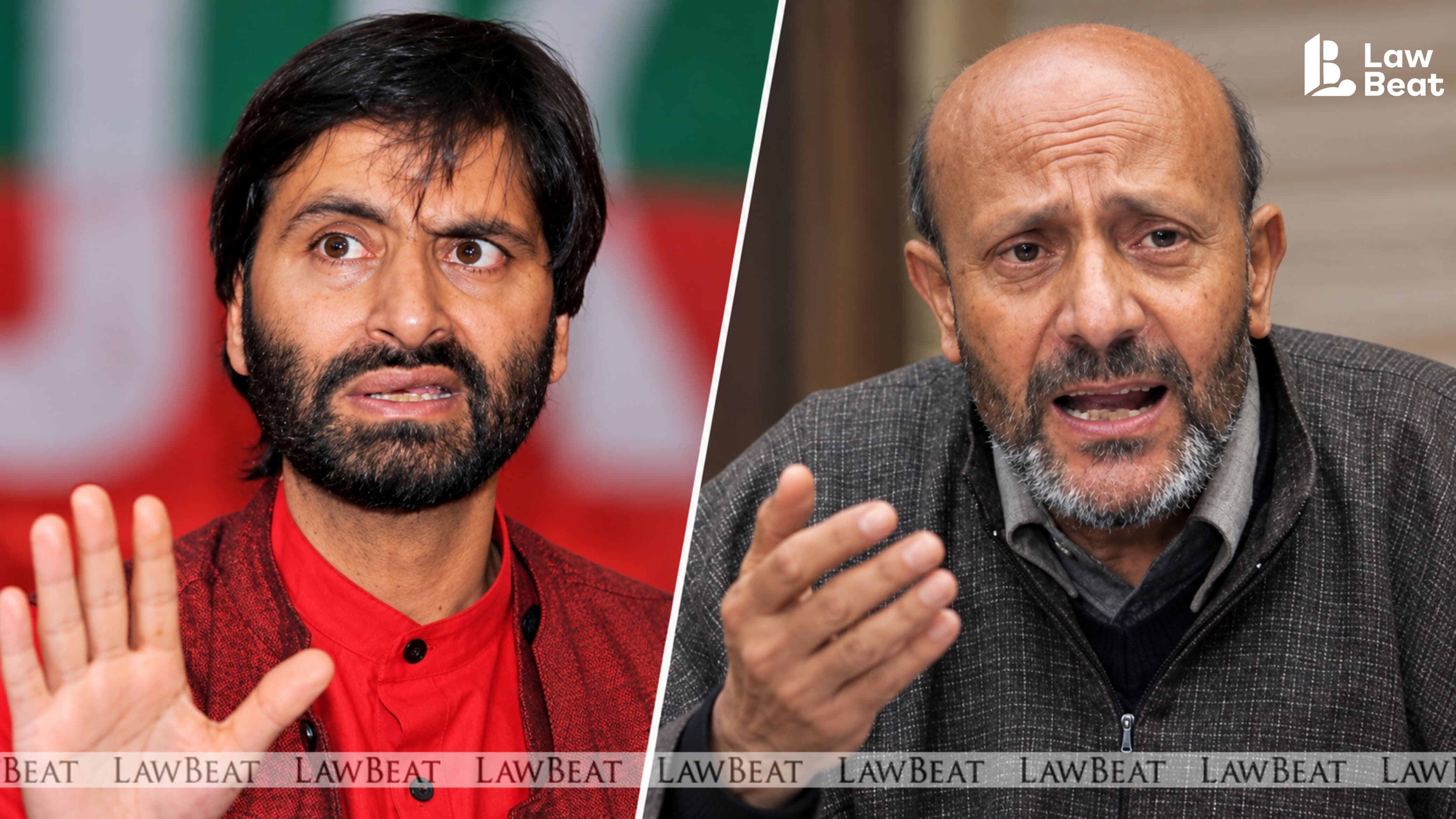
India Court: Yasin Malik, Engineer Rashid PMLA Charges Ordered
Summary
- A Special Judge has ordered the framing of PMLA charges against Yasin Malik, Engineer Rashid, and five others in an ED terror funding case.
- The charges allege the accused dealt with ₹8.94 crore, purportedly from Pakistan via hawala channels, to fund separatist activities in Jammu and Kashmir.
- The Enforcement Directorate's case is based on a 2017 NIA investigation that invoked charges under the UAPA 1967 terror funding provisions.
- The court found sufficient material to raise a strong suspicion of the accused's involvement, which is the legal threshold for framing charges.
- This judicial order initiates a trial, but it does not constitute a finding of guilt against any of the accused individuals.
Judicial Action Taken
The Special Judge's order to frame charges against Yasin Malik, Engineer Rashid, and others underscores a crucial legal distinction regarding the evidentiary threshold at different stages of a criminal proceeding.
A Special Judge has directed the framing of charges under the Prevention of Money Laundering Act, 2002, against prominent figures Yasin Malik and Sheikh Abdul Rashid, also known as Engineer Rashid, along with five other individuals. This significant development arises from an Enforcement Directorate (ED) terror funding case in India, where the court found sufficient grounds to proceed with a trial. The order by Special Judge Prashant Sharma indicates a strong suspicion that the seven accused were involved in transactions totaling ₹8.94 crore, allegedly channeled from Pakistan through illicit hawala networks.
These funds are purported to have been utilized to sustain and propagate secessionist activities within the region of Jammu and Kashmir. The accused include Yasin Malik, who leads the banned Jammu and Kashmir Liberation Front (JKLF) and is currently serving a life sentence in a terror funding case, and Sheikh Abdul Rashid, a Member of Parliament from Baramulla, who is currently jailed in connection with the terror funding case. The other individuals facing these PMLA charges are Shabir Ahmad Shah, Masarat Alam, Zahoor Ahmad Shah Watali, Naval Kishore Kapoor, and the corporate entity M/s Trison Farms and Constructions Pvt Ltd. The decision to frame Yasin Malik Engineer Rashid PMLA charges marks a critical juncture in the ongoing investigation into alleged financial support for anti-national activities.
Legal Framework and Allegations
The Enforcement Directorate's case is rooted in a 2017 investigation initiated by the National Investigation Agency (NIA), which invoked various sections of the Indian Penal Code and the Unlawful Activities (Prevention) Act, 1967 (UAPA). These earlier charges serve as the "predicate offense" necessary for a prosecution under the Prevention of Money Laundering Act 2002. The ED asserts that the ₹8.94 crore represents proceeds of crime that were generated, received, routed, transferred, concealed, possessed, acquired, and ultimately used by the accused through a complex web of financial maneuvers.
According to the prosecution, the accused received financial backing from the "Pakistani establishment" via hawala channels and other undisclosed methods. The primary objective of these funds was allegedly to foster secessionist movements and engage in actions detrimental to the rule of law in India. The ED has meticulously outlined an intricate money trail involving cash couriers and various conduits. These intermediaries reportedly collected funds directly from the Pakistan High Commission in New Delhi and subsequently delivered them to separatist leaders, including Yasin Malik, for the purpose of carrying out subversive activities. Specifically, the agency claims that Malik alone received over ₹3 crore in foreign funds, which he then laundered. Furthermore, both Shah and Sheikh Abdul Rashid PMLA allegations suggest they received funds through similar intermediary networks and maintained connections with separatist organizations, highlighting the alleged Jammu Kashmir hawala money laundering operations.
Significance of the Ruling
The Special Judge's order to frame charges against Yasin Malik, Engineer Rashid, and others underscores a crucial legal distinction regarding the evidentiary threshold at different stages of a criminal proceeding. At the charge-framing stage, the court is not required to meticulously weigh the evidence to determine guilt, as it would at the conclusion of a full trial. Instead, the standard applied is whether the material presented by the prosecution is sufficient to raise a "strong suspicion" that the accused committed the alleged offense. By applying this standard, Special Judge Prashant Sharma concluded that the ED's evidence was robust enough to warrant sending all seven accused to trial.
It is imperative to note that the framing of these PMLA charges does not equate to a conviction or a finding of guilt. The allegations against all seven individuals, including the Yasin Malik JKLF PMLA connection, must still be proven by the prosecution during the trial phase. The accused retain their right to contest the evidence presented against them and present their defense. This development signals the continued aggressive enforcement by the Enforcement Directorate in terror funding cases across India, particularly concerning alleged financial support for secessionist activities in sensitive regions like Jammu and Kashmir.
Practical Implications
This development signals the Enforcement Directorate's continued aggressive enforcement of PMLA against alleged terror funding, even at the charge-framing stage with a lower evidentiary threshold. Lawyers and compliance officers should note the ongoing scrutiny of hawala transactions and funding for secessionist activities, reinforcing the need for robust AML/CFT compliance, particularly for clients with any nexus to high-risk regions or activities.
Source
How does this affect you?
Get an AI analysis of this article grounded in your jurisdictions, practice areas, and any policy documents you've uploaded to Wansom.
Finish Reading the Full Story and the Expert Analysis.
Get the latest legal & regulatory intelligence in India
Wansom is AI and can make mistakes.