
Rumonge Schools: Underage Voter Registration Accusations in Burundi
Summary
- Secondary schools in Rumonge are accused of pressuring pupils, some underage, to register for Burundi's 2027 presidential election.
- The alleged operation involved suspending classes, escorting students to registration offices, and providing ID numbers without physical cards.
- Pupils were reportedly required to pay 1,000 Burundian francs and provide a passport photo for registration forms.
- School officials, identified as CNDD-FDD members, allegedly collaborated with the civil registry to facilitate these registrations.
- Concerns also extend to the registration of returnees and Congolese nationals, raising questions about identity and nationality verification.
Allegations of Underage Voter Registration in Rumonge
The alleged underage voter coercion in Rumonge, coupled with broader voter registration irregularities, could significantly impact the perceived legitimacy of the 2027 presidential election and potentially form grounds for electoral challenges or legal complaints.
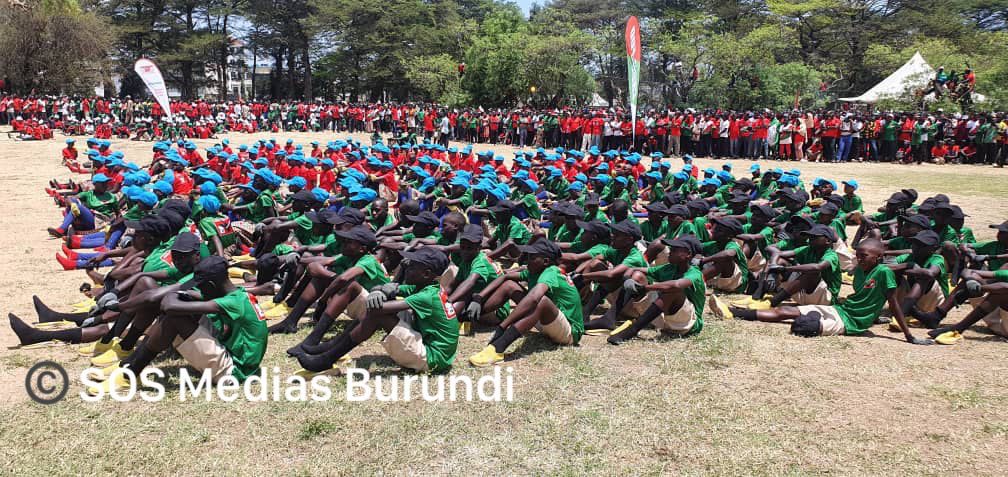
Officials at several secondary schools in Rumonge, a port town in Burundi's southwestern Burunga province, are facing accusations of pressuring students to register for the upcoming 2027 presidential election. This alleged operation, which transpired between Monday, October 26, and Wednesday, October 28, reportedly targeted pupils born in 2008 and 2009. Crucially, some of these individuals would have been under 18 years old at the time of their registration in October 2026, raising significant concerns about adherence to electoral regulations regarding voter age.
Local reports indicate that various methods were employed to facilitate this registration drive. In some instances, classes were reportedly suspended, allowing students to gather the necessary documentation. Other accounts suggest that pupils were directly escorted to registration offices. Furthermore, some students were allegedly provided with national identity card numbers without first receiving the physical cards themselves, enabling them to register to vote without presenting the actual documents. Private school students were also reportedly directed by their principals to nearby registration centers, some of which had been conveniently established on or adjacent to school grounds.
Broader Irregularities and Alleged Coercion
Beyond the issue of underage registration, the process in Rumonge involved additional irregularities. Each student was reportedly required to pay 1,000 Burundian francs to acquire a registration form and also provide a passport photograph. Sources close to school officials indicated that the national identity cards for these pupils were expected to be distributed at a later date, further complicating the immediate verification of identity.
Local sources have identified the school officials involved in these activities as members of the ruling party, the CNDD-FDD, alleging their collaboration with the civil registry to streamline the registration process. These practices collectively raise serious questions about compliance with Burundi's legal framework for voter registration, particularly concerning the age of prospective voters and the rigorous verification of their identity. A voter's eligibility for the 2027 presidential election will ultimately depend on their age on the specific election date.
Concerns Regarding Returnees and Electoral Integrity
The registration drive in Rumonge also reportedly extended to individuals returning from exile. According to registration agents, these returnees were permitted to present a range of documents for identity verification, including national identity cards, baptism certificates, birth certificates, passports, or driver's licenses. This broad acceptance of documentation has sparked concerns about the thoroughness of identity and nationality verification for all registered voters.
Rumonge district is home to a substantial population of Congolese nationals, many of whom have resided there for extended periods, while others have arrived more recently due to the escalating conflict in eastern Democratic Republic of Congo. The question of whether these individuals meet the legal requirements to participate in Burundian elections remains a critical point of scrutiny, adding another layer of complexity to the alleged voter registration irregularities in Burundi.
Context of the 2027 Presidential Election
These alleged voter registration irregularities in Rumonge unfold against the backdrop of the upcoming 2027 presidential election, scheduled for May 3, 2027, with a potential second round on June 1, as announced by the Independent National Electoral Commission (CENI). The CENI had previously granted a three-day window for individuals not listed on the 2025 electoral rolls to register and had also published the 2025 voter lists to allow for verification and error correction before final lists were established.
Évariste Ndayishimiye, the incumbent president, was designated as the CNDD-FDD's candidate for re-election on April 26, 2026. However, the prospect of a second round appears unlikely, given the apparent absence of visible competition from other candidates or political parties in the months leading up to the election. The alleged underage voter coercion in Rumonge, coupled with broader voter registration irregularities, could significantly impact the perceived legitimacy of the 2027 presidential election and potentially form grounds for electoral challenges or legal complaints.
Practical Implications
Lawyers advising political parties, election observers, or human rights organizations in Burundi should investigate these alleged voter registration irregularities in Rumonge, particularly concerning underage individuals and potential coercion, as they may form grounds for electoral challenges, legal complaints, or impact the legitimacy of the 2027 presidential election.
Source
Source: Original reporting via Iwacu
How does this affect you?
Get an AI analysis of this article grounded in your jurisdictions, practice areas, and any policy documents you've uploaded to Wansom.
Wansom is AI and can make mistakes.