
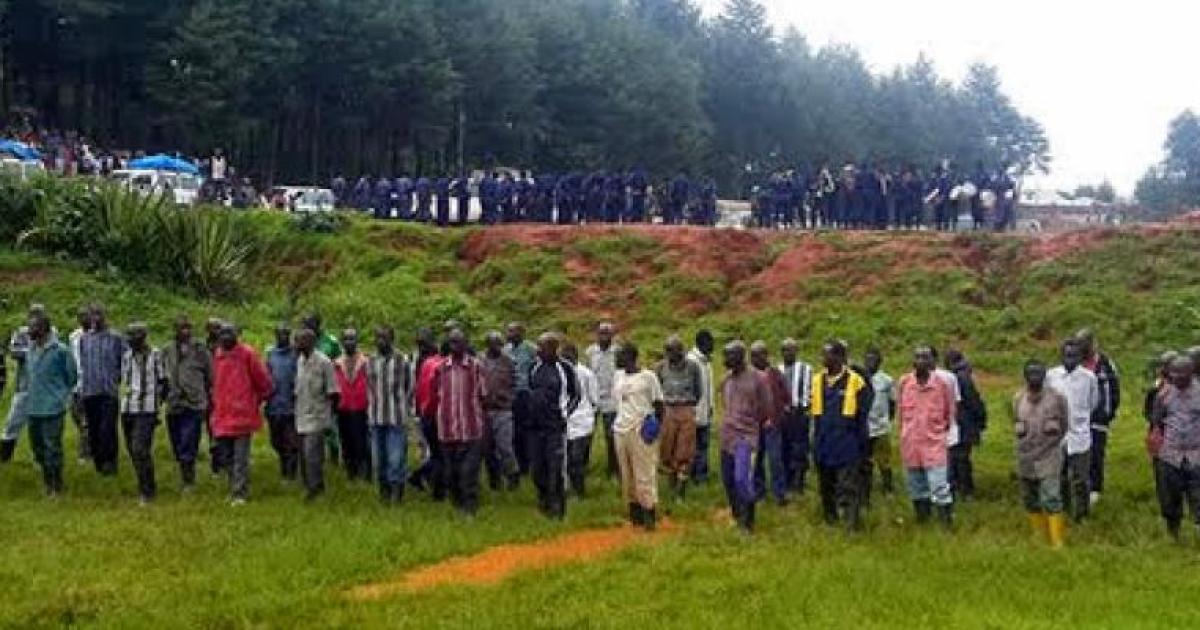
MONUSCO FDLR Repatriation Rwanda: 120 Members Transferred
Summary
- MONUSCO reported the repatriation of 120 members of the FDLR and their dependents from the Eastern DRC to Rwanda.
- The Forces Démocratiques de Libération du Rwanda (FDLR) is an armed group that has operated in the Eastern DRC for decades.
- This transfer, reported on September 13, 2026, is part of ongoing efforts to stabilize the Eastern DRC and address armed groups.
- The repatriation aligns with MONUSCO's broader Disarmament, Demobilization, and Reintegration (DDR) program.
- Such operations are vital for regional security, DRC-Rwanda cooperation, and adherence to international humanitarian law repatriation principles.
Significant Repatriation from Eastern DRC
This MONUSCO FDLR repatriation Rwanda initiative marks a tangible step in addressing the presence of armed groups in the volatile region.
A recent development in the ongoing efforts to stabilize the Eastern Democratic Republic of Congo (DRC) saw the repatriation of a substantial group linked to the Forces Démocratiques de Libération du Rwanda (FDLR). The Mission de l’Organisation des Nations unies pour la stabilisation en République démocratique du Congo (MONUSCO) confirmed the transfer of 120 individuals, comprising both FDLR members and their dependents, from the Eastern DRC back to Rwanda. This MONUSCO FDLR repatriation Rwanda initiative marks a tangible step in addressing the presence of armed groups in the volatile region.
The transfer, which was reported by MONUSCO on Sunday, September 13, 2026, at 09:22, underscores the persistent challenges faced by the international community and regional governments in securing the Eastern DRC. The individuals were moved from their base in the DRC, where the FDLR has maintained a presence for decades, to their country of origin, Rwanda. Such operations are critical components of broader strategies aimed at disarmament, demobilization, and reintegration (DDR) programs, which seek to neutralize armed threats and foster long-term peace.
The Persistent Challenge of the FDLR
The Forces Démocratiques de Libération du Rwanda, commonly known as the FDLR, represents a complex and enduring security concern in the Great Lakes region. Composed partly of elements responsible for the 1994 Rwandan genocide, the group has operated from the Eastern DRC for many years, contributing significantly to instability and human rights abuses. Their continued presence has been a major point of contention between the DRC and Rwanda, impacting bilateral relations and regional security cooperation.
Efforts to dismantle the FDLR have been a cornerstone of MONUSCO's mandate, often involving a combination of military pressure and voluntary repatriation initiatives. The MONUSCO DDR program aims to encourage combatants to lay down arms and return to civilian life, either in Rwanda or through reintegration into Congolese society for those without ties to Rwanda. This latest repatriation of FDLR members transferred Rwanda is a testament to these sustained, albeit often slow, processes designed to weaken the group's operational capacity and reduce its threat to local populations.
Broader Implications for Regional Security and Legal Frameworks
This repatriation event carries significant weight for the Eastern DRC security update and the broader regional stability. The removal of 120 individuals associated with the FDLR contributes to reducing the overall number of armed elements operating outside state control, a key objective for both the Congolese government and international partners. Such transfers are often facilitated under the principles of international humanitarian law repatriation, ensuring the safe and dignified return of individuals while also addressing potential accountability for past actions.
For legal professionals, this development highlights the ongoing complexities of regional security risks, international humanitarian law compliance, and the potential for accountability for individuals involved in armed groups. Lawyers advising clients with interests in the Great Lakes region, or those involved in human rights and international justice, must remain attuned to these dynamics. The continued DRC Rwanda security cooperation, even through the indirect mechanism of MONUSCO-facilitated repatriations, is crucial for fostering an environment where justice can be pursued and long-term peace can take root, ultimately impacting the legal and operational landscape for various stakeholders.
Practical Implications
This repatriation signals ongoing efforts to stabilize the Eastern DRC and address armed groups, which is critical for lawyers advising clients on regional security risks, international humanitarian law compliance, or potential accountability for individuals involved in such groups.
Source
How does this affect you?
Get an AI analysis of this article grounded in your jurisdictions, practice areas, and any policy documents you've uploaded to Wansom.
Finish Reading the Full Story and the Expert Analysis.
Get the latest legal & regulatory intelligence in DR Congo
Wansom is AI and can make mistakes.