
CNDH RDC: Appel Manifestation C64 Urges Prevention Over Repression
Summary
- The CNDH RDC has urged public authorities to prioritize prevention over repression for an upcoming opposition protest.
- The C64 manifestation, organized by opposition groups, is scheduled for Tuesday, September 15, in Kinshasa.
- Protesters aim to demand the rejection of a referendum law that has been validated by the Constitutional Court (with reservations) and is awaiting new parliamentary deliberation, and a constitutional change project.
- The CNDH's call was issued 48 hours before the planned demonstration, on Sunday, September 13, 2026.
CNDH Urges Restraint Ahead of Opposition Protest
The CNDH's intervention underscores a commitment to upholding fundamental rights, particularly the liberté de manifestation RDC, in the face of potential civil unrest.
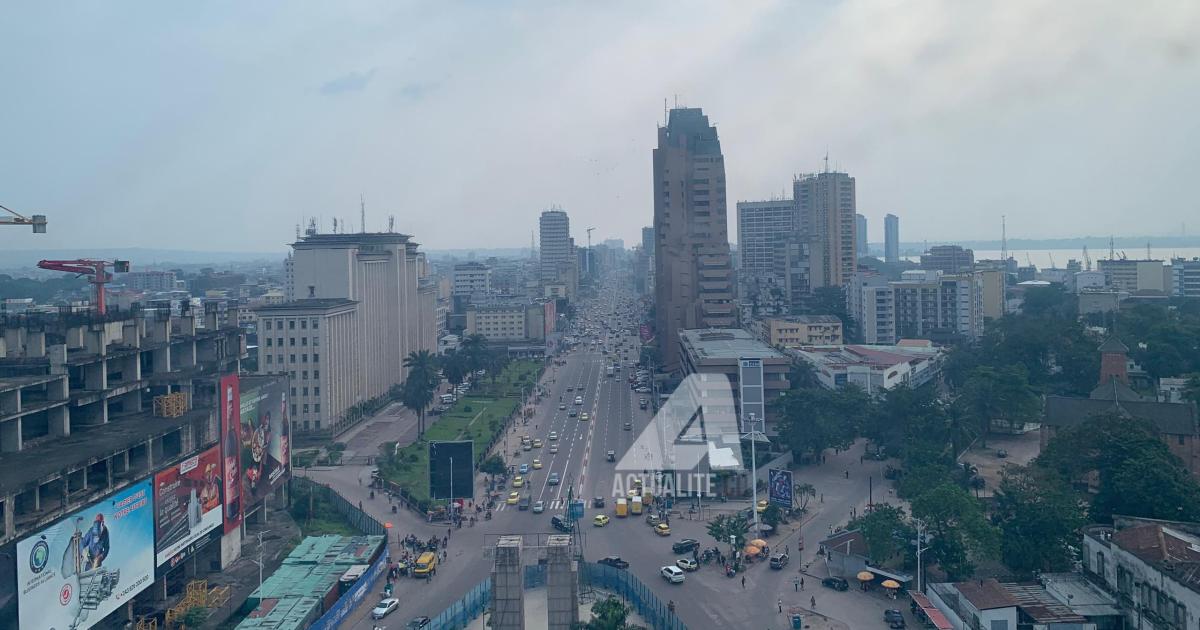
The National Human Rights Commission of the Democratic Republic of Congo (CNDH RDC) has issued a significant appeal to public authorities, emphasizing the critical need to prioritize prevention over repression in managing public demonstrations. This proactive call comes just 48 hours before a major opposition protest, known as the C64 manifestation, scheduled to take place in Kinshasa.
The CNDH's intervention underscores a commitment to upholding fundamental rights, particularly the liberté de manifestation RDC, in the face of potential civil unrest. By explicitly urging authorities to adopt a preventative approach, the Commission aims to mitigate the risk of violence and ensure that citizens can exercise their right to peaceful assembly without undue state interference. This stance reflects a broader concern for human rights and the protection of civic space within the country.
Context of the C64 Manifestation
The impending C64 manifestation, organized by opposition groups, is set to occur on Tuesday, September 15, in the capital city of Kinshasa. The primary objective of this large-scale gathering is to voice strong opposition and demand the rejection of a referendum law that has been validated by the Constitutional Court (with reservations) and is awaiting new parliamentary deliberation, as well as an associated project for constitutional change. This planned demonstration highlights a period of significant political contention and public debate surrounding key legislative and constitutional reforms.
The opposition's decision to mobilize through a public protest signals deep-seated concerns regarding the direction of governance and the potential implications of the validated legal and constitutional amendments. Such events, particularly in Kinshasa, often draw considerable attention and can serve as a barometer for the political climate, making the CNDH's call for a measured response particularly timely and relevant given the potential for widespread participation and the sensitive nature of the issues at stake.
CNDH's Mandate and Human Rights Protection
As the independent body tasked with monitoring and promoting human rights, the Commission Nationale des Droits de l'Homme RDC plays a crucial role in safeguarding the CNDH RDC droits civiques. Its recent appeal serves as a reminder to state actors of their obligations under national and international law to facilitate, rather than impede, peaceful assemblies. The emphasis on prevention over repression is a cornerstone of human rights-compliant crowd management, advocating for dialogue, de-escalation, and the protection of demonstrators' safety.
This proactive communication from the CNDH, delivered on Sunday, September 13, 2026, is designed to set a clear expectation for how public authorities should engage with the upcoming Kinshasa manifestation opposition. It seeks to pre-emptively address potential excesses in state response, thereby fostering an environment where citizens can express dissent regarding the loi référendum RDC contestation without fear of disproportionate force or arbitrary detention. The Commission's intervention is a critical step in promoting accountability and ensuring adherence to human rights standards during periods of political tension.
Practical Implications
Lawyers advising clients operating in the DRC should monitor the evolving political climate and potential for public unrest, especially concerning state responses to demonstrations. This CNDH call signals increased scrutiny on human rights during protests, which could impact risk assessments for businesses and inform strategies for clients facing public order challenges or human rights-related litigation.
Source
How does this affect you?
Get an AI analysis of this article grounded in your jurisdictions, practice areas, and any policy documents you've uploaded to Wansom.
Finish Reading the Full Story and the Expert Analysis.
Get the latest legal & regulatory intelligence in DR Congo
Wansom is AI and can make mistakes.