
Kabund: Pression Changement Constitution RDC Ahead of 2026 Session
Summary
- Kabund has urged continued pressure against any changes to the Democratic Republic of Congo's Constitution.
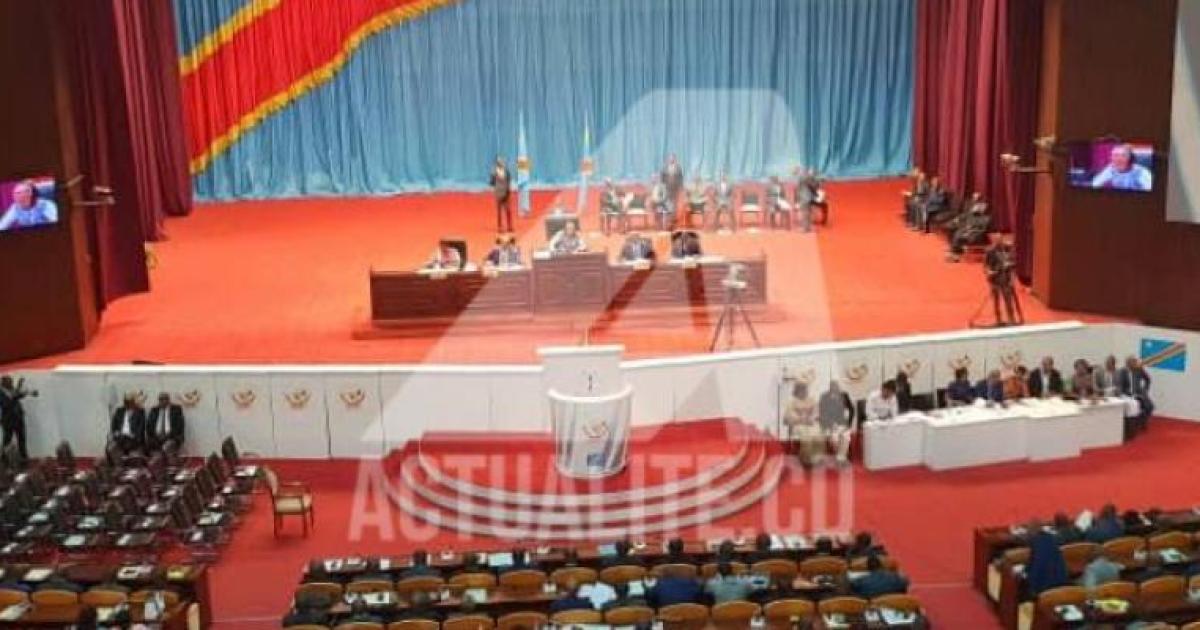
- This call comes ahead of the parliamentary session scheduled for Tuesday, September 15, 2026.
- The timing of the session is in accordance with Article 115 of the RDC Constitution.
- Political tension is reportedly increasing in Kinshasa as the parliamentary session approaches.
Key Political Development
For legal professionals and compliance officers operating within or engaging with the RDC, these developments necessitate close monitoring.
A significant political call has emerged in the Democratic Republic of Congo, with a prominent figure, Kabund, urging continued vigilance against any attempts to alter the nation's foundational legal document. This appeal for sustained pressure against constitutional modification comes at a critical juncture, specifically ahead of the upcoming parliamentary session. The "rentrée parlementaire," marking the official resumption of legislative activities, is set for Tuesday, September 15, 2026.
The timing of Kabund's statement underscores the heightened political sensitivity surrounding the legislative calendar and potential constitutional discussions. As this crucial date approaches, the political atmosphere in Kinshasa is reportedly experiencing an escalation in tension. This rising apprehension is directly linked to the prospect of constitutional changes, making Kabund's intervention a notable development in the country's political discourse. His call aims to mobilize public and political sentiment to safeguard the existing constitutional framework against proposed revisions.
Constitutional and Legislative Framework
The impending parliamentary session, scheduled for September 15, 2026, is mandated by the country's supreme law. Specifically, Article 115 of the Constitution of the Democratic Republic of Congo dictates the timing and regularity of these legislative gatherings. This constitutional provision ensures the consistent functioning of the national assembly, establishing a predictable schedule for lawmakers to convene and address national affairs. The adherence to this article highlights the formal process governing the legislative calendar, even amidst political contention.
The concept of a "rentrée parlementaire" itself carries substantial weight within the RDC's governance structure, signifying a period when critical legislative debates, policy reviews, and oversight functions are expected to resume in full force. Against this backdrop, any discussion or proposal for constitutional revision becomes particularly salient. Such amendments, by their very nature, can profoundly reshape the country's political landscape, institutional powers, and fundamental rights, making calls like Kabund's a direct response to the gravity of potential legislative actions during this period.
Rising Political Tensions in Kinshasa
The reported increase in political tension within Kinshasa is a direct consequence of the impending parliamentary session and the ongoing debate surrounding constitutional amendments. Such periods often see intensified political maneuvering, public discourse, and advocacy from various political factions. Kabund's explicit call to maintain pressure against constitutional change positions him and his allies firmly in opposition to any such initiatives, signaling a potential legislative battleground once the session commences.
This atmosphere of heightened anticipation and disagreement reflects the profound implications that constitutional revisions hold for the Democratic Republic of Congo. The constitution serves as the bedrock of the nation's legal and political order, and any proposed alterations are typically met with significant scrutiny and, as evidenced by Kabund's statement, strong opposition from those who believe the current framework should be preserved. The political climate in the capital is thus characterized by a palpable sense of watchfulness and readiness for robust debate over the nation's future legal direction.
Broader Implications
The confluence of a constitutionally mandated parliamentary session and a prominent political figure's call to resist constitutional change signals a period of potential instability and significant legislative challenges for the Democratic Republic of Congo. The focus on preventing constitutional revisions suggests that such proposals are either anticipated or already circulating within political circles, setting the stage for intense parliamentary debates and public engagement. This situation underscores the fragility of political consensus on fundamental governance issues.
For legal professionals and compliance officers operating within or engaging with the RDC, these developments necessitate close monitoring. Changes to the constitution could have far-reaching effects, altering the legal and regulatory environment for businesses, impacting property rights, contractual obligations, and the broader rule of law. The unfolding events surrounding the "rentrée parlementaire" and the calls for vigilance against constitutional amendments represent a critical period that could redefine the operational landscape for various stakeholders in the country.
Practical Implications
This development signals potential political instability and legislative challenges regarding the DRC's constitutional framework. Lawyers and compliance officers should monitor the parliamentary proceedings and any proposed constitutional amendments, as such changes could significantly impact the legal and regulatory environment for businesses and individuals operating in the Democratic Republic of Congo.
Source
How does this affect you?
Get an AI analysis of this article grounded in your jurisdictions, practice areas, and any policy documents you've uploaded to Wansom.
Finish Reading the Full Story and the Expert Analysis.
Get the latest legal & regulatory intelligence in DR Congo
Wansom is AI and can make mistakes.