
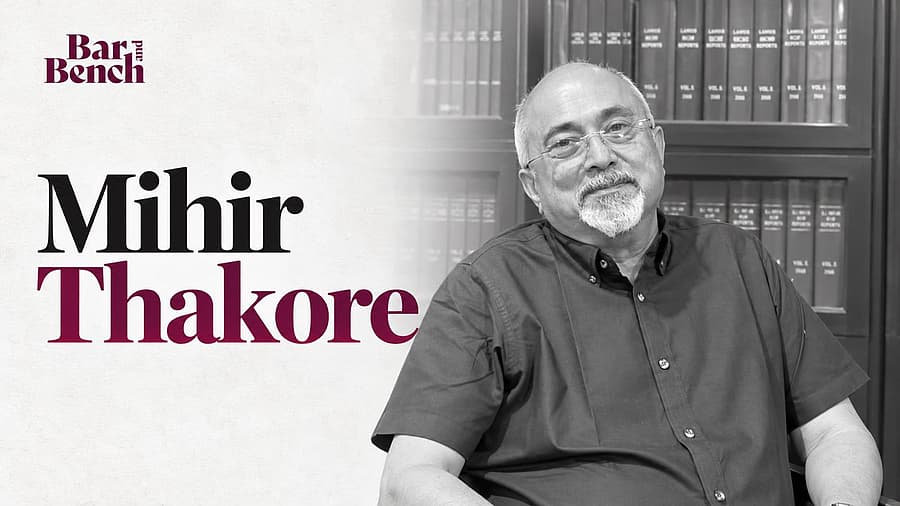
Mihir Thakore: India's Arbitration Trust Deficit Favors Ad-Hoc
Summary
- Senior Advocate Mihir Thakore discussed the state of Indian arbitration a decade after the 2015 amendments during the GHAC Arbitration Week 2026.
- He noted only a marginal improvement in arbitration timelines, with cases commenced after 2015 still taking at least three years to conclude post-pleadings.
- Thakore highlighted a persistent "Indian institutional arbitration trust deficit," leading to a continued preference for ad-hoc arbitration.
- This trust deficit impacts Ahmedabad's ambitions to expand its arbitration market beyond domestic cases.
Event and Key Insights
A central theme in Mihir Thakore's analysis is the continued prevalence of 'Mihir Thakore ad-hoc arbitration India,' driven by a fundamental lack of trust in institutional arbitration frameworks.
The Gujarat High Court Arbitration Centre (GHAC) recently convened its three-day Arbitration Week 2026, hosted at the sophisticated GIFT City Club in Gandhinagar. This significant gathering brought together a diverse group of stakeholders, including members of the judiciary, practicing lawyers, and seasoned arbitration practitioners, all focused on charting a progressive course for the future of institutional arbitration across India. Amidst these crucial discussions, Senior Advocate Mihir Thakore engaged in a candid interview with Pallavi Saluja of Bar & Bench.
Thakore offered a critical assessment of the Indian arbitration landscape, particularly a decade after the transformative 2015 amendments. His insights underscored a persistent "Indian institutional arbitration trust deficit" and raised pertinent questions regarding the capacity of Ahmedabad's arbitration initiatives to extend their reach beyond the domestic market, highlighting the ongoing challenges in fostering widespread confidence in established arbitration mechanisms. This conversation provided a valuable perspective on the current state and future trajectory of dispute resolution in the country.
Post-2015 Arbitration Landscape and Timelines
Senior Advocate Mihir Thakore's views on Indian arbitration reveal that while the 2015 arbitration amendments in India aimed to streamline dispute resolution processes, the actual impact on timelines has been only marginal. He observed a slight, rather than substantial, improvement in the speed at which arbitrations conclude, attributing some of this positive shift to increased pressure from arbitrators to finalize proceedings more expeditiously. However, a significant concern remains prevalent: even for arbitrations commenced after these pivotal amendments, it still typically takes a minimum of three years to reach a conclusion once the pleading stage has been completed.
This extended duration, even after the initial procedural hurdles of pleadings are cleared, is considered a negative indicator for the overall efficiency of the arbitration process, suggesting that the legislative changes have not fully addressed the underlying issues causing protracted delays. Thakore did recount a positive personal experience where an arbitrator successfully persuaded both parties to swiftly resolve a matter, illustrating the potential for proactive arbitral intervention to cut down on resolution times.
The Enduring Preference for Ad-Hoc Arbitration
A central theme in Mihir Thakore's analysis is the continued prevalence of "Mihir Thakore ad-hoc arbitration India," driven by a fundamental lack of trust in institutional arbitration frameworks. This "Indian institutional arbitration trust deficit" means that many parties still prefer the flexibility and perceived control offered by ad-hoc arrangements, rather than committing to established arbitration centers for their dispute resolution needs. This enduring preference for ad-hoc mechanisms poses a significant hurdle for regions like Ahmedabad, which harbors ambitions to grow its arbitration services beyond national borders and attract international cases.
The challenge for institutional arbitration in India, therefore, extends beyond mere legislative reform; it necessitates building greater confidence among disputing parties to shift away from ad-hoc mechanisms and embrace the structured, often more predictable, environment of institutional arbitration. The current landscape suggests that despite concerted efforts to strengthen the institutional framework, the perception of efficiency and fairness often still favors the ad-hoc approach, impacting the broader adoption of institutional arbitration.
Practical Implications
Lawyers and compliance officers advising on dispute resolution in India should note the persistent trust deficit in institutional arbitration, leading to a continued preference for ad-hoc mechanisms. This insight is crucial when drafting arbitration clauses or recommending dispute forums, as it impacts client perception of efficiency and fairness despite legislative amendments.
Source
How does this affect you?
Get an AI analysis of this article grounded in your jurisdictions, practice areas, and any policy documents you've uploaded to Wansom.
Finish Reading the Full Story and the Expert Analysis.
Get the latest legal & regulatory intelligence in India
Wansom is AI and can make mistakes.