
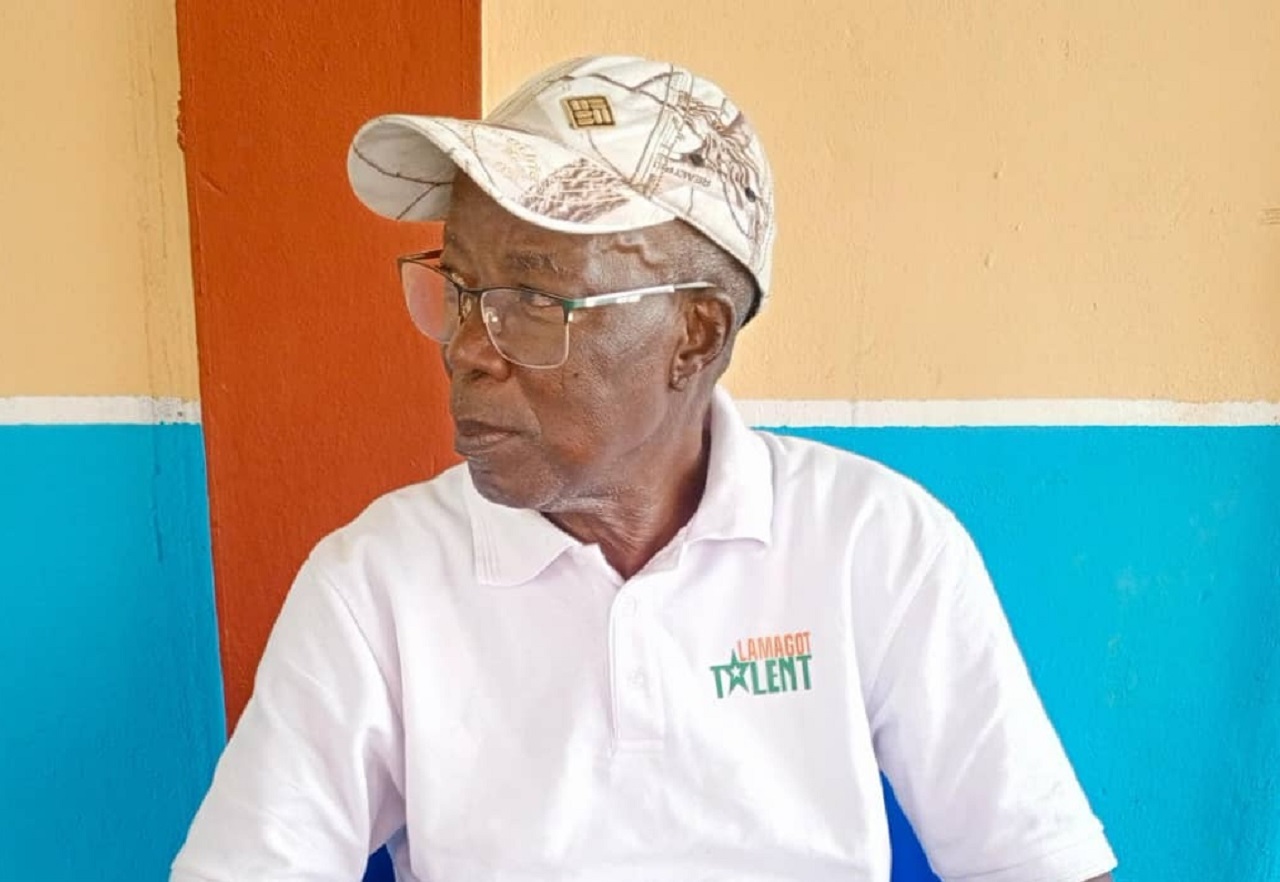
Togo: Mèwènèmesse K. Apolinaire Under Indefinite Judicial Control
Summary
- Togolese journalist Mèwènèmesse K. Apolinaire, 73, is under prolonged judicial control following an article published in February 2024.
- The article, titled "Et si le Général Félix KADANGA Abalo était le Capitaine Dreyfus du Togo?", appeared in La Dépêche N° 1185.
- He received a three-month suspension from HAAC and was incarcerated from March 26 to April 9, 2024.
- His release was conditional on judicial supervision, which has continued indefinitely.
- This case raises significant concerns about press freedom and the application of judicial measures against media professionals in Togo.
The Genesis of Judicial Scrutiny
The seemingly unending nature of Apolinaire's judicial control, following his article in La Dépêche N° 1185, underscores the need for close monitoring of such cases.
The case of Mèwènèmesse K. Apolinaire, a veteran Togolese journalist, highlights the persistent challenges faced by media professionals in the country, particularly concerning judicial control. At 73 years old, Apolinaire found himself under intense scrutiny following the publication of an article in the February 28, 2024, edition of the weekly newspaper La Dépêche. This piece, identified as issue N° 1185, bore the provocative title, "Et si le Général Félix KADANGA Abalo était le Capitaine Dreyfus du Togo?", and was published in the wake of what was described as "the heinous assassination of Colonel Madjoulba."
The article quickly led to severe repercussions for the seasoned journalist. The Haute Autorité de l´Audiovisuel et de la Communication (HAAC) imposed a three-month suspension on Apolinaire. This regulatory action was swiftly followed by his incarceration, which lasted from March 26 until April 9, 2024. Upon his release, he was placed under judicial control, a measure that has since become a central point of concern due to its seemingly indefinite duration.
Regulatory Actions and Judicial Oversight in Togo
The initial suspension by the HAAC, the former regulatory body, underscored its power over media operations in Togo. The Haute Autorité de régulation de la communication écrite, audiovisuelle et numérique (HARC) is now the independent administrative authority responsible for media and communication regulation in Togo. This administrative sanction was then compounded by a period of detention, placing Mèwènèmesse K. Apolinaire within the direct purview of the Togolese justice system. His subsequent release under judicial supervision, a common legal mechanism, has in this instance drawn particular attention because of its protracted nature. This form of judicial control typically involves specific conditions and regular reporting to authorities, designed to monitor an individual's activities while awaiting further legal proceedings or resolution.
This is not the first time the 73-year-old journalist has encountered difficulties with the nation's authorities and judicial processes. His history suggests a pattern of engagement with the state apparatus, making his current situation a focal point for discussions on the independence of the press in Togo. The ongoing judicial control, rather than being a temporary measure, has evolved into a prolonged state of supervision, raising questions about its purpose and duration within the Togolese legal framework.
Implications for Press Freedom in Togo
The enduring judicial control imposed on Mèwènèmesse K. Apolinaire carries significant implications for press freedom and the broader media landscape in Togo. The fact that a journalist, particularly one of his age and experience, remains under such strict judicial supervision for an extended period after an initial suspension and incarceration, sends a chilling message to other media professionals. This situation highlights the potential for the Togolese justice system to exert prolonged influence over journalists, effectively limiting their professional activities and personal liberties.
For lawyers advising media organizations or journalists in Togo, this case serves as a critical example of how regulatory sanctions, like those from the HAAC, can escalate into prolonged judicial oversight. The seemingly unending nature of Apolinaire's judicial control, following his article in La Dépêche N° 1185, underscores the need for close monitoring of such cases. It raises concerns about the application and duration of judicial supervision against media professionals and its potential to stifle critical reporting, thereby impacting the overall health of press freedom in Togo.
Practical Implications
Lawyers advising media organizations or journalists in Togo should monitor this case closely as it highlights the potential for prolonged judicial control and its implications for press freedom, particularly following HAAC sanctions and initial incarceration. This ongoing situation could set precedents regarding the application and duration of such measures against media professionals.
Source
Source: Original reporting via Icilome
How does this affect you?
Get an AI analysis of this article grounded in your jurisdictions, practice areas, and any policy documents you've uploaded to Wansom.
Finish Reading the Full Story and the Expert Analysis.
Wansom is AI and can make mistakes.