
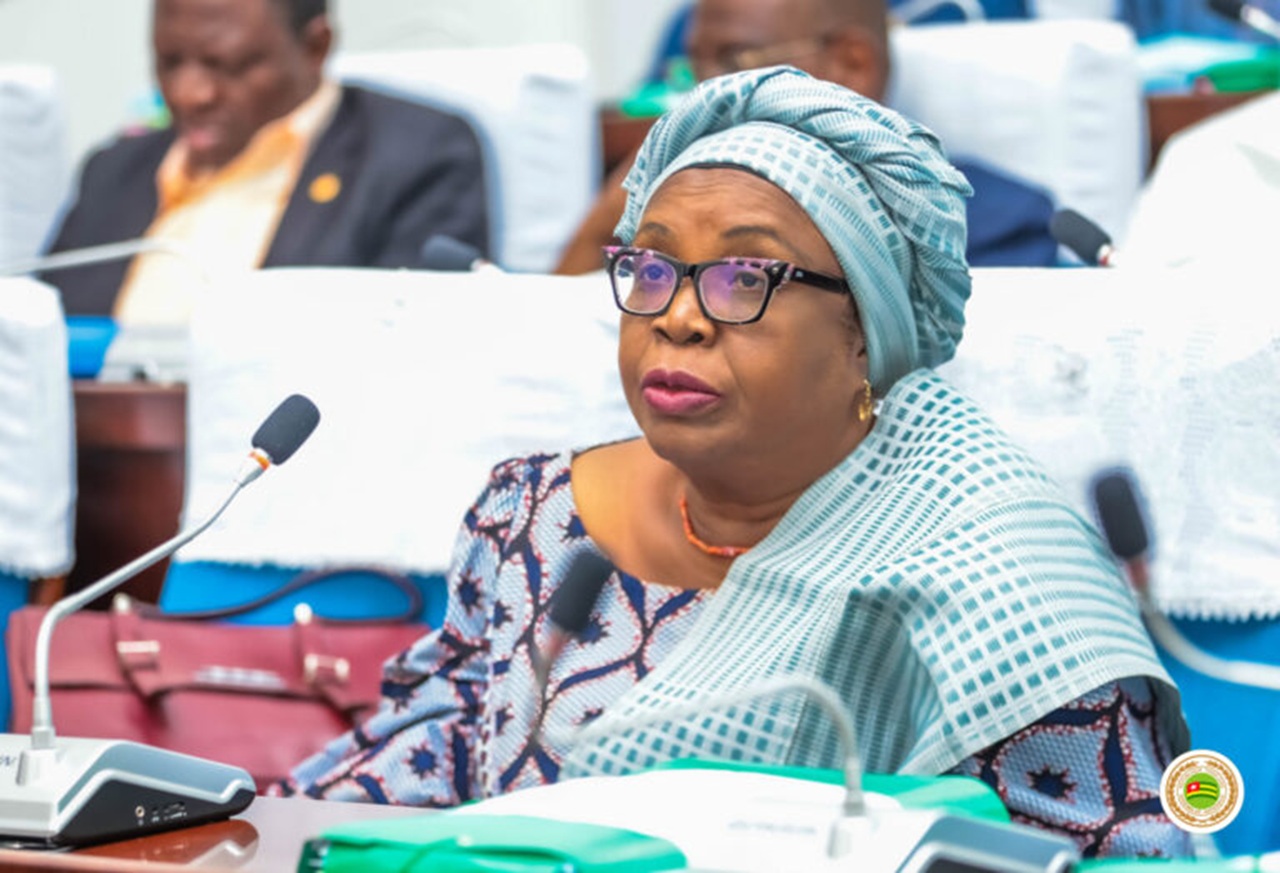
Togo National Assembly: MP Urges Strong Caisse des Dépôts et Consignations Guarantees
Summary
- Opposition MP Brigitte K. Adjamagbo-Johnson is urging for seven specific guarantees to be included in Togo's proposed Caisse des dépôts et consignations (CDC) bill.
- The bill, approved by the government on July 8, 2026, is currently undergoing a rapid legislative review in the National Assembly.
- Adjamagbo-Johnson emphasizes that the law must explicitly ensure the protection, control, and restitution of funds entrusted to the CDC to build public confidence.
- She questions the fast-tracked process, advocating for thorough review of legal guarantees and financial risks, rather than speed.
- Togo's establishment of a CDC comes significantly later than Senegal (2006) and Benin (2018), offering an opportunity to learn from regional experiences.
Legislative Scrutiny of Togo's CDC Bill
She stressed that the requirement for sécurité juridique Caisse des dépôts is not a luxury but a fundamental prerequisite for building confidence, especially when dealing with funds belonging to millions of citizens, social organizations, businesses, and public institutions.
The Togolese National Assembly is poised to review a significant piece of legislation concerning the establishment of a Caisse des dépôts et consignations (CDC). This proposed law, which received government approval from the Council of Ministers on July 8, 2026, is currently on a fast track through the legislative process. It was forwarded to the Commission des lois on October 20, 2026, and is slated for examination by the finance commission on Tuesday, October 28. Following this, it is expected to proceed to a plenary session for a first reading, then to the Senate, and potentially return to the National Assembly for further review, including a possible second reading.
Opposition MP Brigitte K. Adjamagbo-Johnson has voiced strong concerns regarding the rapid progression of this bill. In an op-ed, she cautioned against undue haste, emphasizing the critical need for robust Togo Caisse des dépôts et consignations guarantees to be explicitly enshrined within the legal text. She specifically called for seven key protections, arguing that the creation of such an institution, while potentially beneficial, must not compromise the security of public and private funds. The projet loi Caisse des dépôts Togo aims to manage significant financial resources, making these guarantees paramount.
Demanding Robust Legal Safeguards
Adjamagbo-Johnson's primary contention revolves around the principle that public trust cannot be legislated without concrete assurances. She insists that citizens should not be asked to entrust their often-limited resources to a public body without legal provisions ensuring their money's protection, control, and rightful restitution. This forms the core challenge for the proposed CDC law, which is designed to mobilize long-term financial resources for national development initiatives such as social housing, infrastructure, small and medium-sized enterprise funding, and local authority investments.
The MP highlighted that while the establishment of a CDC is a commendable economic ambition, it does not automatically translate into sound legislation. She stressed that the requirement for sécurité juridique Caisse des dépôts is not a luxury but a fundamental prerequisite for building confidence, especially when dealing with funds belonging to millions of citizens, social organizations, businesses, and public institutions. Key questions remain unanswered: who will determine the use of these funds, who will oversee their management, who will be held accountable for potential losses, and how will the rights of the true owners of these resources be safeguarded? These are crucial aspects of gestion fonds publics Togo that demand clear legislative answers.
Learning from Regional Experiences
Togo's initiative to create a CDC comes significantly later than similar efforts in neighboring countries. Senegal established its Caisse des dépôts et consignations in 2006, subsequently reforming its legal framework in 2017. Benin followed suit, adopting its own legislation in 2018. This places Togo approximately two decades behind Senegal and eight years behind Benin, as well as other African states that already operate comparable institutions. This considerable delay raises questions about past economic policy decisions that prevented Togo from implementing such an instrument sooner.
However, this historical lag also presents a distinct advantage. Togo is not starting from scratch; it can draw valuable lessons from the experiences of other nations. This includes examining existing legislative models, understanding the various risques financiers Caisse des dépôts encountered elsewhere, and incorporating best practices into its own framework. The Assemblée nationale Togo CDC debate should leverage these regional insights to ensure the final law is robust and effective, providing the necessary Togo Caisse des dépôts et consignations guarantees to protect the financial assets it will manage.
Practical Implications
Lawyers and compliance officers in Togo should closely monitor the legislative process of the proposed Caisse des dépôts et consignations law, specifically advocating for and scrutinizing the inclusion of robust legal guarantees for the protection, control, and restitution of funds. This is crucial for advising clients on the security and transparency of any funds that may be deposited with this new institution, particularly regarding accountability for potential losses and the rights of fund owners.
Source
How does this affect you?
Get an AI analysis of this article grounded in your jurisdictions, practice areas, and any policy documents you've uploaded to Wansom.
Finish Reading the Full Story and the Expert Analysis.
Get the latest legal & regulatory intelligence in Togo
Wansom is AI and can make mistakes.