
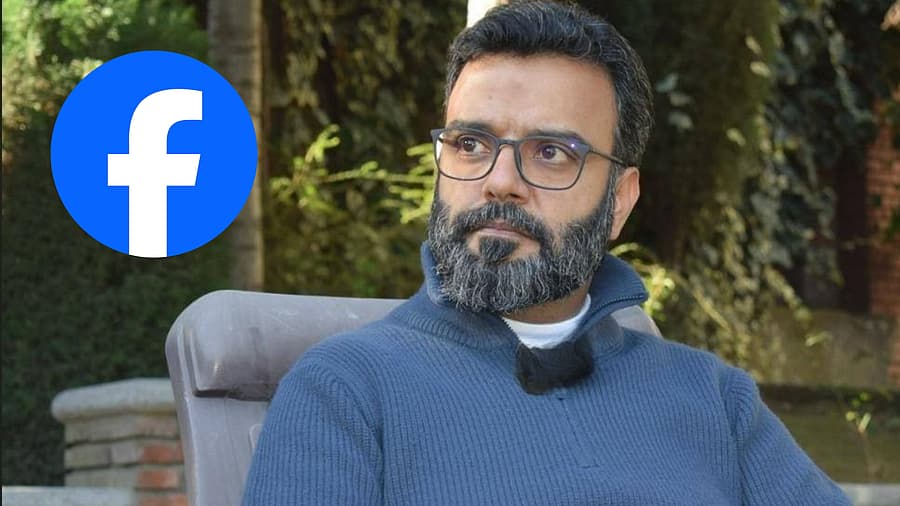
Meta Delhi HC: Ruhullah Mehdi Facebook Blocked By Law Enforcement
Summary
- Meta Platforms informed the Delhi High Court that Srinagar MP Aga Syed Ruhullah Mehdi's Facebook page was blocked following a notice from law enforcement agencies.
- Mehdi challenged the restriction, asserting he was not informed about any "offending material" or given an opportunity to be heard.
- His petition claims neither the government nor Meta provided him with the notice or reasons for the action, which has been in effect since March 3, 2026.
- Justice Swarana Kanta Sharma directed Meta to file a reply and produce the law enforcement order, listing the case for further consideration on September 30.
Delhi High Court Examines Facebook Page Block
His petition highlights a significant concern regarding due process and transparency in social media blocking actions.
Meta Platforms, the entity behind social media giants Facebook and Instagram, recently informed the Delhi High Court about the circumstances leading to the restriction of Srinagar Member of Parliament (MP) Aga Syed Ruhullah Mehdi's Facebook page. The company clarified that the action, which effectively constitutes a Meta Delhi HC Ruhullah Mehdi Facebook block, was initiated following a directive from law enforcement agencies in India. This disclosure came during proceedings before Justice Swarana Kanta Sharma, who is presiding over Mehdi’s petition challenging the restriction.
The court heard Meta's counsel state unequivocally that the Aga Syed Ruhullah Mehdi Facebook page was taken down in response to a notice issued by a law enforcement body. This statement underscores the role of government directives in social media content moderation India. The legal representative for Meta subsequently requested additional time from the court to formally present the specific order that prompted the blocking of the MP's account.
MP Challenges Lack of Transparency
Aga Syed Ruhullah Mehdi, a prominent member of the National Conference and the elected MP for the Srinagar Lok Sabha constituency, initiated the legal challenge against the restriction imposed on his Facebook page. His petition highlights a significant concern regarding due process and transparency in social media blocking actions. According to his plea, the restriction on his Facebook page in India has been in effect since March 3, 2026, and he only became aware of it when he attempted to access his account on that date.
The core of Mehdi's argument, presented by his counsel, revolves around the complete absence of information regarding the alleged "offending material" that led to the Meta law enforcement notice India. His legal team emphasized that neither the government nor Meta provided him with a copy of the notice, explained the reasons for the action, or offered him an opportunity to be heard before the restriction was implemented. As an elected representative and a religious leader, Mehdi's counsel stressed the importance of understanding the basis for such a significant restriction on his public communication platform.
Legal Framework and Intermediary Obligations
The ongoing proceedings in the Delhi High Court social media blocking case bring into focus the intricate legal landscape governing social media platforms and their intermediary liability in India. While the source text partially references Section 79(3)(b) of the Information Technology Act, 2000, Mehdi's petition implicitly argues that the actions taken by Meta, particularly the lack of notice and hearing, may contravene principles of natural justice and statutory obligations placed on intermediaries.
Under Section 79 of the IT Act, intermediaries like Meta are granted immunity from liability for third-party content under certain conditions, but this immunity is often contingent on their adherence to due diligence requirements, including responding to lawful government orders and potentially informing users. The court's decision to grant Meta time to file its reply and produce the law enforcement order indicates a judicial intent to scrutinize the procedural aspects of content moderation, particularly when it involves public figures and their right to expression.
Court's Directive and Future Implications
Justice Swarana Kanta Sharma, after hearing initial arguments, directed Meta to formally submit its detailed response to Aga Syed Ruhullah Mehdi's petition. This directive includes the crucial requirement for Meta to produce the specific law enforcement notice that triggered the Meta Delhi HC Ruhullah Mehdi Facebook block. The case has been scheduled for further consideration on September 30, indicating the court's commitment to a thorough examination of the matter.
This legal challenge holds significant implications for the broader discourse on social media content moderation India, particularly concerning the balance between national security interests, law enforcement directives, and individual user rights, including freedom of speech and due process. The outcome of this Delhi High Court social media blocking case could set important precedents for how platforms like Facebook handle government requests to restrict user accounts, emphasizing transparency and the right of users to be informed and heard.
Practical Implications
This case highlights the ongoing legal scrutiny of social media platforms' content moderation practices in India, particularly regarding transparency and due process when blocking user accounts based on law enforcement notices. Lawyers should advise clients on their rights and potential challenges against such restrictions, and compliance officers at platforms must ensure adherence to evolving judicial expectations for disclosure and hearing.
Source
How does this affect you?
Get an AI analysis of this article grounded in your jurisdictions, practice areas, and any policy documents you've uploaded to Wansom.
Finish Reading the Full Story and the Expert Analysis.
Wansom is AI and can make mistakes.