
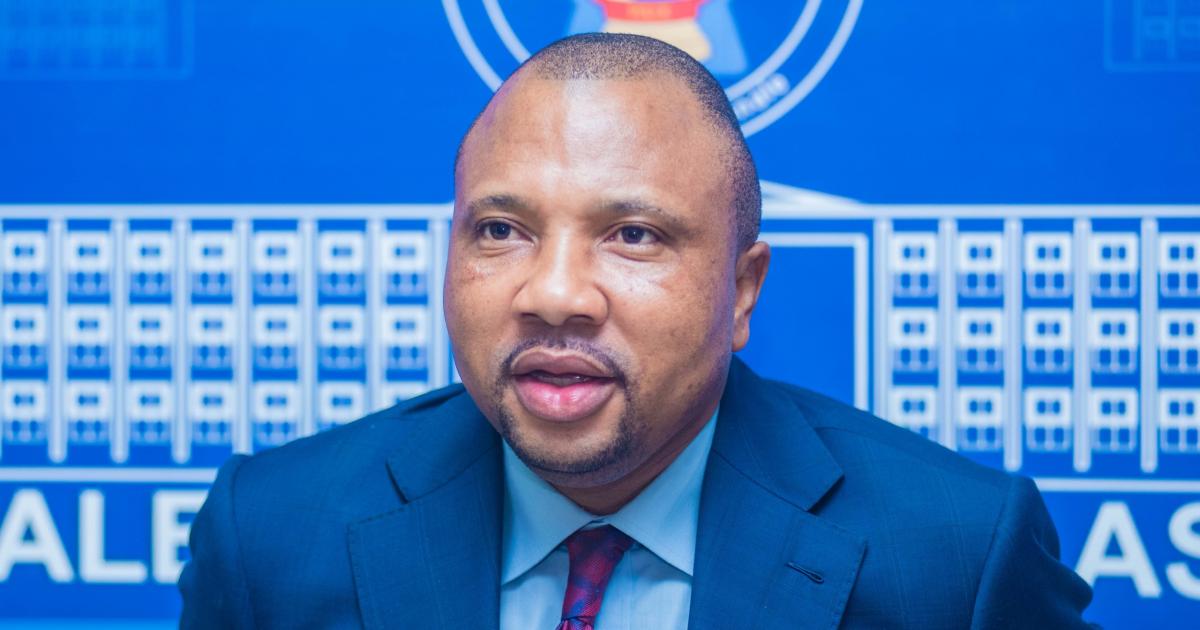
Mechack Mandefu Muela: Pushes Réforme CENI, Electoral Law in RDC
Summary
- Député national Mechack Mandefu Muela has called for continued consultations on two legislative proposals.
- These proposals concern the reform of the National Independent Electoral Commission (CENI) and the electoral law.
- Mandefu Muela, representing Kazumba in Kasaï province, emphasizes the need for consensus on these reforms.
- His legislative initiatives were highlighted on Friday, November 27, 2026.
Call for Dialogue on Electoral Reform
A central tenet of `député Mandefu Muela`'s advocacy is the firm belief that achieving a wide-ranging consensus is indispensable for the successful implementation and legitimacy of these proposed reforms.
Député national Mechack Mandefu Muela, representing the constituency of Kazumba in the Kasaï province, has recently underscored the critical importance of sustained consultations concerning two legislative proposals he has initiated. These proposals are specifically designed to address significant reforms within the Democratic Republic of Congo's electoral framework. His advocacy highlights a strategic preference for collaborative discussions among various stakeholders to shape these pivotal legal adjustments.
The legislative initiatives introduced by Mandefu Muela focus distinctly on the reform of the Commission électorale nationale indépendante (CENI) and a comprehensive overhaul of the existing electoral law. This dual approach signifies an intent to address both the institutional body responsible for organizing elections and the foundational legal principles governing the entire electoral process. His public statements, made on Friday, November 27, 2026, at 22:31, emphasize the necessity of achieving a broad consensus on these matters.
Proposed Changes to Electoral Framework
The core of Mandefu Muela's legislative agenda revolves around fundamental alterations to the operational structure and legal underpinnings of the RDC's electoral system. One of his propositions specifically targets the `Commission électorale nationale indépendante`, aiming to refine its mandate, composition, and operational procedures. Such a `réforme CENI` is often sought to enhance the body's perceived independence, efficiency, and impartiality, which are crucial for credible elections.
Concurrently, the second legislative proposal seeks to revise the broader `loi électorale RDC`. This comprehensive legal instrument dictates everything from voter registration processes and candidate eligibility criteria to campaign finance regulations and the mechanisms for resolving electoral disputes. A thorough `réforme loi électorale RDC` could therefore introduce significant changes across the entire electoral cycle, impacting political parties, candidates, and the electorate alike.
The Imperative of Consensus
A central tenet of `député Mandefu Muela`'s advocacy is the firm belief that achieving a wide-ranging consensus is indispensable for the successful implementation and legitimacy of these proposed reforms. He argues that broad agreement among political actors, civil society, and other relevant parties is not merely desirable but essential to prevent future contention and ensure the stability of the electoral system. This call for a `consensus loi électorale Congo` reflects a recognition of the deeply sensitive nature of electoral legislation in a democratic context.
Without a shared understanding and acceptance of the new electoral rules and the reformed CENI, there is a risk of undermining public confidence in the electoral process, potentially leading to disputes and instability. Mandefu Muela's emphasis on continued concertations aims to foster an environment where diverse perspectives can be integrated, ultimately leading to reforms that are widely supported and perceived as fair by all stakeholders.
Implications for Democratic Governance
The ongoing discussions surrounding the `réforme CENI` and the `réforme loi électorale RDC` carry substantial implications for the future of democratic governance in the Democratic Republic of Congo. The outcome of these legislative efforts will directly influence the transparency, fairness, and overall integrity of upcoming electoral cycles. A well-executed reform, built on consensus, has the potential to strengthen democratic institutions and enhance the credibility of election results.
Conversely, reforms lacking broad support could exacerbate political tensions and challenge the legitimacy of future governments. The proactive engagement by `député Mandefu Muela` in pushing for these reforms and advocating for consensus highlights the critical juncture the RDC faces in solidifying its democratic processes. The legislative timeline for these proposals, initiated on November 27, 2026, will be closely watched by those invested in the nation's political stability and democratic progress.
Practical Implications
Lawyers advising political entities or involved in electoral law in the DRC must closely monitor the ongoing legislative discussions and calls for consensus regarding the reform of CENI and the electoral law. These reforms could introduce significant changes to election procedures, eligibility criteria, and dispute resolution mechanisms, necessitating proactive legal advice and strategic planning for upcoming electoral cycles.
Source
Source: Original reporting via PMaki
How does this affect you?
Get an AI analysis of this article grounded in your jurisdictions, practice areas, and any policy documents you've uploaded to Wansom.
Finish Reading the Full Story and the Expert Analysis.
Get the latest legal & regulatory intelligence in DR Congo
Wansom is AI and can make mistakes.