
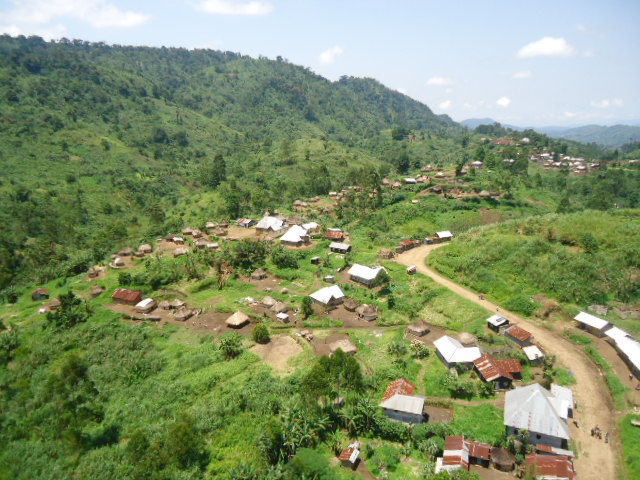
Masisi Civil Society: Demands Probe Into Civilian Deaths in Clashes
The civil society organization Forces Vives de Masisi, in North Kivu, Democratic Republic of Congo, denounced the deaths and injuries of several civilians, including women and children, resulting from drone attacks and stray bullets during clashes between the AFC/M23, FARDC, and Wazalendo groups in the Masisi territory over the four days leading up to Monday, September 28, 2026.
This denunciation by a local civil society group highlights grave concerns regarding potential violations of international humanitarian law (IHL) and human rights law in the ongoing conflict in Eastern DRC. The alleged targeting of civilians, indiscriminate attacks, and the use of advanced weaponry like drones in populated areas raise serious questions about adherence to fundamental principles of distinction, proportionality, and precaution in attack, which are cornerstones of IHL. For legal practitioners, this underscores the potential for war crimes investigations, accountability mechanisms, and claims for reparations for victims. It also emphasizes the critical role of civil society in documenting and reporting such incidents, which can form the basis for future legal actions at national or international levels.
The legal context for these allegations is primarily international humanitarian law, specifically the Geneva Conventions and their Additional Protocols, which govern the conduct of armed conflict and protect civilians. The Rome Statute of the International Criminal Court is also highly relevant, as many of the alleged acts (e.g., intentionally directing attacks against the civilian population, indiscriminate attacks causing excessive civilian harm) could constitute war crimes. The DRC's domestic criminal code also prohibits such acts, and its military justice system has jurisdiction over war crimes committed on its territory. The call for investigations by Télesphore Mithondeke, the Rapporteur général of Forces Vives de Masisi, directly invokes the legal obligation of states and parties to conflict to investigate alleged violations. The key parties involved are the civil society organization Forces Vives de Masisi, its Rapporteur général Télesphore Mithondeke, the AFC/M23 armed group, the FARDC (Congolese armed forces), the Wazalendo groups, and the civilian population of Masisi.
Attorneys advising governments, international organizations, or NGOs involved in conflict zones should be acutely aware of the heightened risks of IHL violations and the increasing scrutiny from civil society. Legal professionals should monitor these reports closely, as they can lead to international pressure, sanctions, or formal investigations by bodies like the International Criminal Court or UN mechanisms. For businesses operating in the region, this reinforces the need for robust human rights due diligence and conflict-sensitive business practices to avoid complicity in abuses. The excerpt explicitly calls for investigations to establish responsibilities, indicating that legal processes are being sought, though no specific outcome or initiation of such processes is reported.
How does this affect you?
Get an AI analysis of this article grounded in your jurisdictions, practice areas, and any policy documents you've uploaded to Wansom.
Finish Reading the Full Story and the Expert Analysis.
Get the latest legal & regulatory intelligence in DR Congo
Wansom is AI and can make mistakes.