
DR Congo: Alleges "Criminal Management" in Occupied Zones at UN
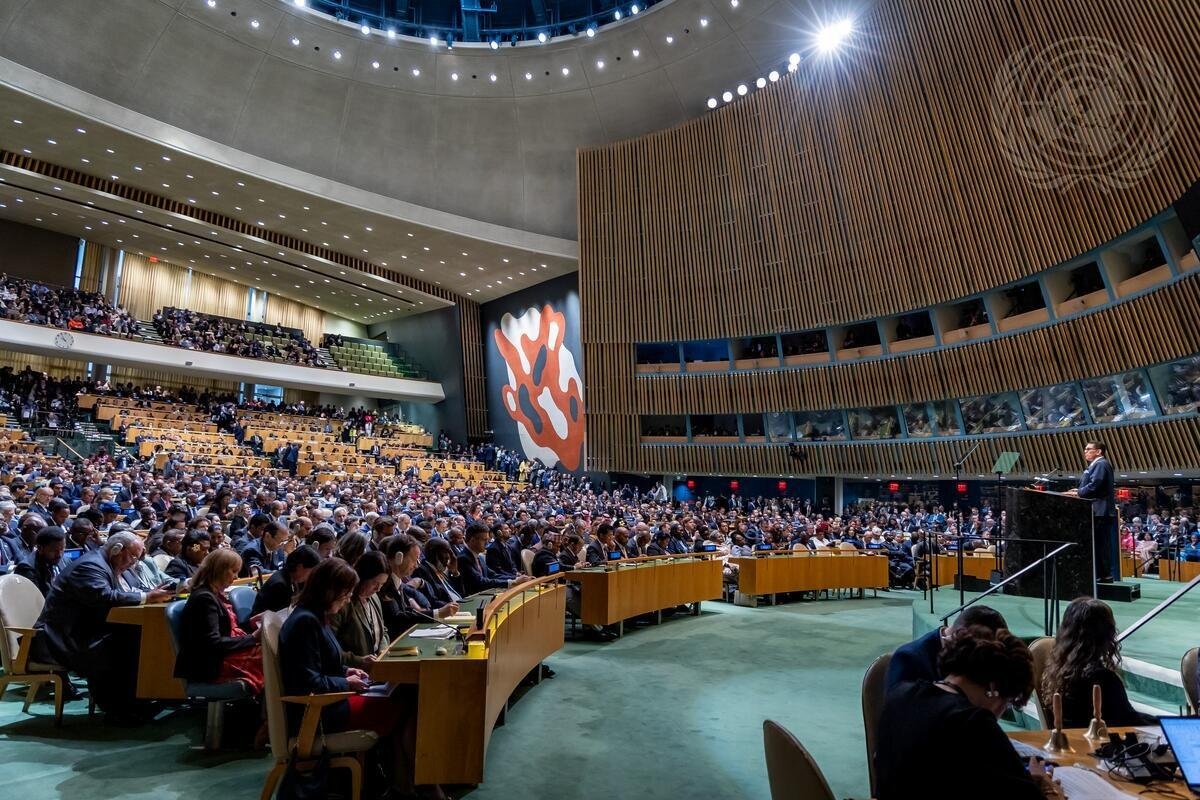
The Democratic Republic of Congo (DRC), through its UN representative Zénon Mukongo Ngay, denounced a "criminal administrative, territorial, and demographic management" of occupied territories in Eastern DRC by the Rwandan Army (RDF) and AFC-M23 at a United Nations Security Council meeting on Tuesday, September 29, 2026.
This significant diplomatic action highlights the DRC's ongoing efforts to draw international attention to alleged grave violations of international law in its eastern provinces. The denunciation of "criminal management" implies potential breaches of international humanitarian law (IHL), particularly concerning the obligations of occupying powers under the Fourth Geneva Convention, and possibly international criminal law, which prohibits war crimes and crimes against humanity. For legal practitioners, this signals the DRC's intent to seek international accountability and pressure on the involved parties, potentially leading to further investigations, sanctions, or even prosecutions at international tribunals. The gravity of the allegations underscores the complex legal landscape surrounding the conflict.
The legal context for such a denunciation primarily involves international humanitarian law, which governs the conduct of armed conflict and the protection of civilians, including those in occupied territories. Specifically, the Fourth Geneva Convention outlines the responsibilities of an occupying power towards the civilian population. Furthermore, the Rome Statute of the International Criminal Court defines various international crimes, such as war crimes, which could encompass acts of "criminal administrative, territorial, and demographic management" if they involve systematic abuses against civilians. The UN Security Council, as the primary body for maintaining international peace and security, has the authority to impose sanctions, establish investigative mechanisms, or refer situations to the International Criminal Court. The key parties involved are the DRC, its UN representative Zénon Mukongo Ngay, the UN Security Council, the Rwandan Army (RDF), and the AFC-M23 armed group.
Attorneys advising clients with interests in the DRC, especially those operating in or near conflict-affected regions, should closely monitor developments stemming from this denunciation. This includes tracking any UN Security Council resolutions, potential international investigations, or sanctions regimes that may arise. Legal professionals must be prepared to advise on human rights due diligence, supply chain integrity, and the risks of complicity for businesses operating in areas controlled by groups accused of such crimes. While the excerpt does not report any specific outcome or resolution from the UN Security Council meeting, the DRC's formal complaint sets a precedent for potential future legal and political actions on the international stage.
How does this affect you?
Get an AI analysis of this article grounded in your jurisdictions, practice areas, and any policy documents you've uploaded to Wansom.
Finish Reading the Full Story and the Expert Analysis.
Get the latest legal & regulatory intelligence in DR Congo
Wansom is AI and can make mistakes.