
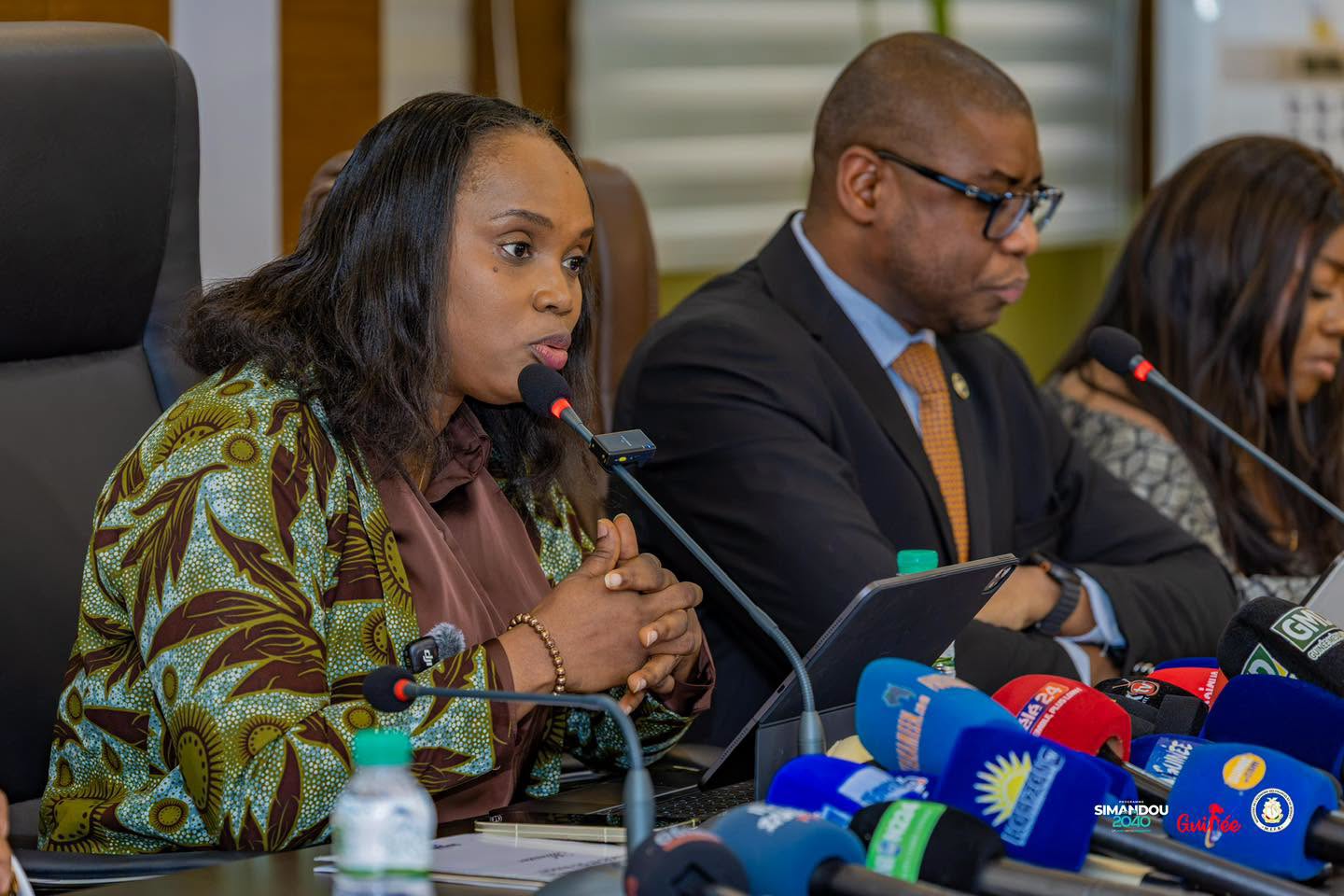
Mariama Ciré Sylla Stratégie Fiscale Guinée: Un Plan Ambitieux
Summary
- The Guinean government has outlined a new strategy to increase state revenues.
- Mariama Ciré Sylla, Minister of Economy, Finance, and Budget, detailed this comprehensive plan.
- Key elements include modernizing tax and customs administrations and formalizing the informal sector.
- The strategy also focuses on combating tax fraud and rationalizing existing tax exemptions.
- The primary objective is to broaden Guinea's national tax base and improve collection efficiency.
Government's Revenue Strategy
The overarching goal of this Mariama Ciré Sylla stratégie fiscale Guinée is to effectively broaden the national tax base and simultaneously improve the efficiency and efficacy of the country's revenue collection mechanisms.
The Guinean government has unveiled a comprehensive strategic framework designed to significantly enhance the nation's state revenues. This ambitious initiative, articulated by Mariama Ciré Sylla, who serves as the Minister of Economy, Finance, and Budget, represents a pivotal policy shift aimed at strengthening Guinea's fiscal foundation. The overarching goal of this Mariama Ciré Sylla stratégie fiscale Guinée is to effectively broaden the national tax base and simultaneously improve the efficiency and efficacy of the country's revenue collection mechanisms. This strategic direction is critical for fostering long-term economic stability and funding essential public services.
The Minister's detailed presentation of this strategy underscores a proactive approach to fiscal management, moving beyond traditional methods to explore new avenues for income generation. By focusing on structural reforms rather than short-term fixes, the government signals its commitment to creating a more robust and equitable tax system. This holistic plan is expected to lay the groundwork for sustainable economic development by ensuring a more reliable flow of funds into state coffers.
Pillars of Fiscal Reform
At the heart of Minister Sylla's strategy are several key operational levers identified as crucial for achieving the government's revenue objectives. A foundational element involves the modernization administrations fiscales douanières. This critical undertaking aims to update and streamline the processes, technologies, and human resources within both the tax and customs agencies, thereby enhancing their capacity to collect revenues more effectively and transparently. Improved administrative efficiency is seen as a prerequisite for any successful revenue expansion effort.
Another significant pillar is the formalisation secteur informel Guinée. This aspect of the strategy seeks to integrate the vast informal economy into the formal tax system, thereby bringing a substantial portion of economic activity under the purview of taxation. This move is anticipated to significantly contribute to the élargir assiette fiscale Guinée by converting previously untaxed transactions and enterprises into legitimate sources of government income.
Complementing these efforts is a determined lutte fraude fiscale Guinée. The government plans to intensify its fight against tax evasion and illicit financial flows, which currently deprive the state of considerable resources. This anti-fraud campaign is essential for ensuring fairness within the tax system and maximizing the collection of due taxes. Furthermore, the strategy includes a rationalisation exonérations fiscales, which entails a systematic review and potential curtailment of existing tax exemptions. The objective here is to ensure that such exemptions are justified and do not unduly erode the tax base, thereby contributing more effectively to the overall revenue mobilization.
Economic and Regulatory Outlook
The implementation of this comprehensive Mariama Ciré Sylla stratégie fiscale Guinée is poised to have profound implications for Guinea's economic landscape and regulatory environment. By successfully expanding the tax base and enhancing collection efficiency, the government anticipates securing greater financial resources, which can then be allocated towards critical public investments in infrastructure, education, and healthcare. This strategic shift towards greater fiscal self-reliance is a cornerstone of the nation's development agenda.
For businesses and individuals operating within Guinea, these reforms signal a period of increased scrutiny and a potential shift in tax obligations. The emphasis on formalization and anti-fraud measures suggests a stricter enforcement regime, while the review of exemptions could alter the financial landscape for various sectors. This proactive approach by the government underscores a commitment to fiscal prudence and sustainable growth, aiming to build a more resilient economy for the future.
Practical Implications
Lawyers and compliance officers in Guinea should anticipate potential legislative or regulatory changes stemming from the government's strategy to broaden the tax base. Advise clients to review their tax compliance frameworks, particularly regarding informal sector operations and existing tax exemptions, as increased scrutiny and enforcement are likely.
Source
How does this affect you?
Get an AI analysis of this article grounded in your jurisdictions, practice areas, and any policy documents you've uploaded to Wansom.
Finish Reading the Full Story and the Expert Analysis.
Get the latest legal & regulatory intelligence in Guinea
Wansom is AI and can make mistakes.