Legal News
Guinée: Mamadi Doumbouya Accorde Grâce Présidentielle à 312 Détenus
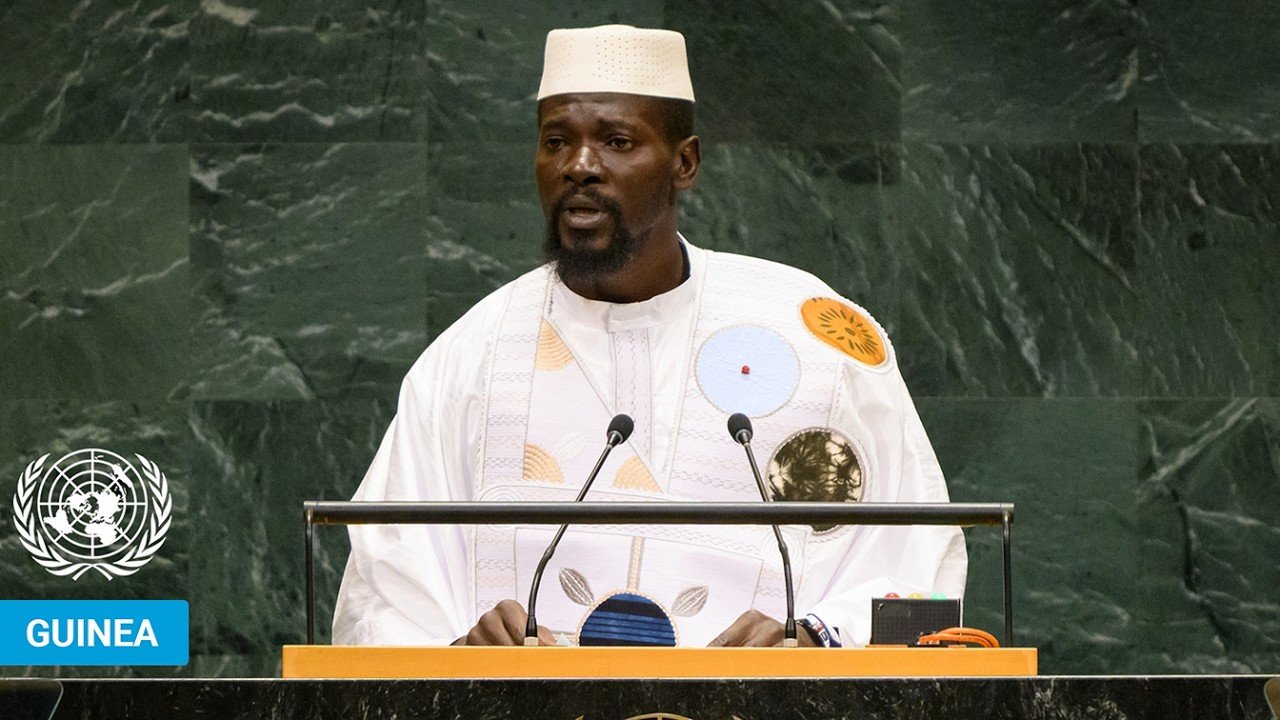
On Wednesday, October 14, 2026, in Guinea, President Mamadi Doumbouya granted a presidential pardon to 312 individuals who had been convicted by the Guinean justice system, as announced via a decree read on national television. This significant act of executive clemency was jointly communicated by the executive spokespersons, General Amara Camara and Faya François Bourouno, highlighting a direct intervention by the head of state in the judicial process. The decree, broadcast on RTG, signifies a formal and public exercise of presidential authority.
This presidential pardon carries substantial legal significance for practitioners and the public alike, as it represents a fundamental aspect of executive power in Guinea's legal framework. Such acts of clemency can profoundly impact the lives of the beneficiaries by remitting or commuting their sentences, potentially leading to their release or a reduction in their period of incarceration. Beyond the individual impact, these pardons often serve broader policy objectives, such as alleviating prison overcrowding, promoting social reconciliation, or demonstrating executive compassion. For legal professionals, understanding the scope, conditions, and implications of presidential pardons is crucial when advising clients on post-conviction remedies or exploring all available avenues for relief.
In the Guinean legal context, the power of presidential pardon is typically enshrined within the Constitution or specific organic laws governing the presidency and the administration of justice, reflecting a civil law tradition where executive decrees hold considerable legal weight. This power allows the head of state to intervene in judicial decisions, usually after a final conviction, to modify or extinguish a sentence. It is distinct from a general amnesty, which typically applies to categories of offenses or individuals and can erase the legal effects of a conviction entirely. The Guinean courts, having rendered the initial convictions, operate within a system where such executive prerogatives are recognized and respected. The key parties involved are President Mamadi Doumbouya as the grantor, the 312 unnamed convicted individuals as the beneficiaries, and the Guinean justice system which issued the original judgments.
For attorneys practicing in Guinea, this event underscores the importance of closely monitoring presidential decrees and understanding the legal framework surrounding executive clemency. Practitioners should be well-versed in the constitutional and statutory provisions that empower the President to grant pardons, as well as any established procedures for petitioning such relief. While the specific criteria for these 312 pardons are not detailed in the excerpt, attorneys should be prepared to advise clients on the general conditions under which clemency is typically granted and the legal implications for beneficiaries, including whether the conviction itself is erased or only the sentence is remitted. This requires a nuanced understanding of both criminal law and administrative law principles.
Moving forward, legal professionals should continue to track any further pronouncements or guidelines related to the implementation of this pardon, as well as any future exercises of presidential clemency. The impact on the beneficiaries' legal status, including any remaining civil disabilities or conditions, will be a critical area for legal advice. This event serves as a reminder that the executive branch holds significant power to influence the outcomes of judicial processes, necessitating a comprehensive approach to legal strategy that considers all branches of government.