
Malawi 2019 Health Act Regulations: Absence Hinders Enforcement
Summary
- Malawi's 2019 Health Act is currently non-functional due to a lack of implementing regulations.
- The Act was intended to strengthen health services, protect medicines, reduce illegal drug sales, and prohibit unapproved herbal medicines.
- Without regulations, the Act's provisions against illegal medicine sales and unapproved herbal products are not legally enforceable.
- The non-implementation occurs amidst severe health staff shortages, with one worker serving 1,495 people.
- This regulatory vacuum leaves public health vulnerable and creates uncertainty for legal compliance in the health sector.
What Happened
The absence of implementing regulations for Malawi's 2019 Health Act means its intended protections against illegal drug sales, unapproved herbal medicines, and general health service strengthening are not legally enforceable.
Malawi's comprehensive 2019 Health Act, officially known as Lamulo la za umoyo 2019, currently stands as a legislative framework without practical application. Despite its passage, the Act has been rendered inoperative due to the critical absence of necessary implementing regulations. This foundational oversight means that the ambitious objectives enshrined within the legislation cannot be legally enforced or put into practice.
The primary goals of the 2019 Health Act were multifaceted and aimed at significantly improving public health infrastructure and safety. Among its key intentions were strengthening the overall provision of health services across the nation, ensuring the integrity and protection of legitimate medicines, and actively working to reduce the pervasive issue of illegal drug sales within the country's borders. Furthermore, the Act sought to specifically prohibit the distribution and use of unapproved herbal medicine Malawi, addressing a significant public health concern.
Regulatory Vacuum and Public Safety
The lack of Malawi 2019 Health Act regulations creates a substantial regulatory vacuum, directly impacting public safety and the integrity of the healthcare system. Without these crucial guidelines, the provisions designed to combat illicit practices, such as the sale of illegal medicine sales Malawi, cannot be effectively prosecuted or prevented. This situation represents a significant Malawi drug regulation failure, as the legal mechanisms intended to safeguard citizens from potentially harmful or ineffective substances are not operational.
Consequently, the public remains exposed to risks that the Act was specifically crafted to mitigate. The inability to enforce prohibitions against unapproved herbal medicine Malawi, for instance, leaves consumers vulnerable to products that have not undergone proper scrutiny for safety or efficacy. The absence of implementing regulations for Malawi's 2019 Health Act means its intended protections against illegal drug sales, unapproved herbal medicines, and general health service strengthening are not legally enforceable.
Broader Health System Context
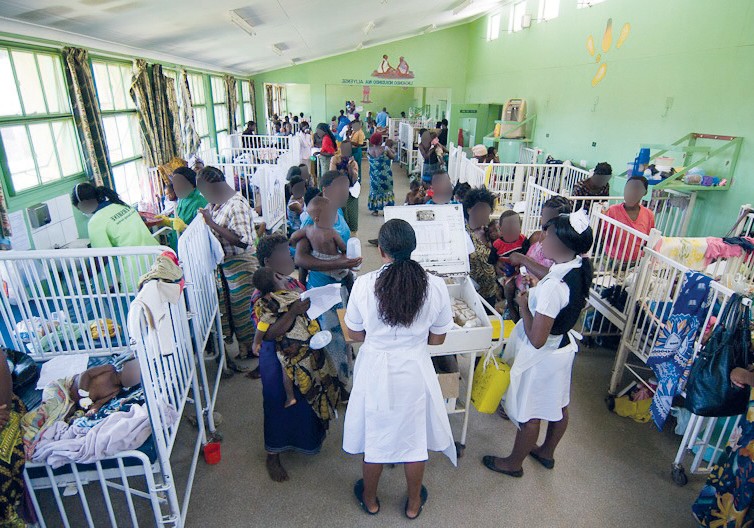
The challenges posed by the non-implementation of the 2019 Health Act are compounded by existing strains within Malawi's broader health system. The country faces severe resource limitations, particularly concerning human capital in the healthcare sector. Current statistics reveal a stark reality where, on average, one health worker is responsible for serving a staggering 1,495 individuals.
This significant disparity underscores the immense pressure on the existing healthcare workforce and infrastructure. While the 2019 Health Act was designed to provide a comprehensive legal and operational framework to strengthen these very services, its current dormant state means it cannot contribute to alleviating these systemic issues or guiding future improvements in health service delivery. The effective Malawi Health Act implementation is crucial not just for specific regulations but for the overall resilience of the health sector.
Why It Matters
The ongoing failure to implement the Malawi 2019 Health Act through the promulgation of its necessary regulations carries profound implications for public health and legal certainty within the nation. Without an enforceable framework, the critical safeguards intended to protect citizens from dangerous or unregulated medical products and practices remain theoretical rather than practical realities. This regulatory paralysis undermines the very foundation of a safe and effective healthcare environment.
For legal and compliance professionals, this situation presents a complex landscape. The absence of clear Malawi 2019 Health Act regulations means there is a lack of definitive legal guidelines in areas such as drug control, herbal medicine approval, and general health service standards. This regulatory vacuum necessitates careful consideration when advising clients, as the anticipated legal structure for Malawi Health Act implementation is not yet in place, leaving significant areas without explicit legal direction.
Practical Implications
The absence of implementing regulations for Malawi's 2019 Health Act means its intended protections against illegal drug sales, unapproved herbal medicines, and general health service strengthening are not legally enforceable. Lawyers and compliance officers should advise clients on the current regulatory vacuum and the associated risks or lack of clear guidelines in these areas.
Source
How does this affect you?
Get an AI analysis of this article grounded in your jurisdictions, practice areas, and any policy documents you've uploaded to Wansom.
Finish Reading the Full Story and the Expert Analysis.
Get the latest legal & regulatory intelligence in Malawi
Wansom is AI and can make mistakes.