
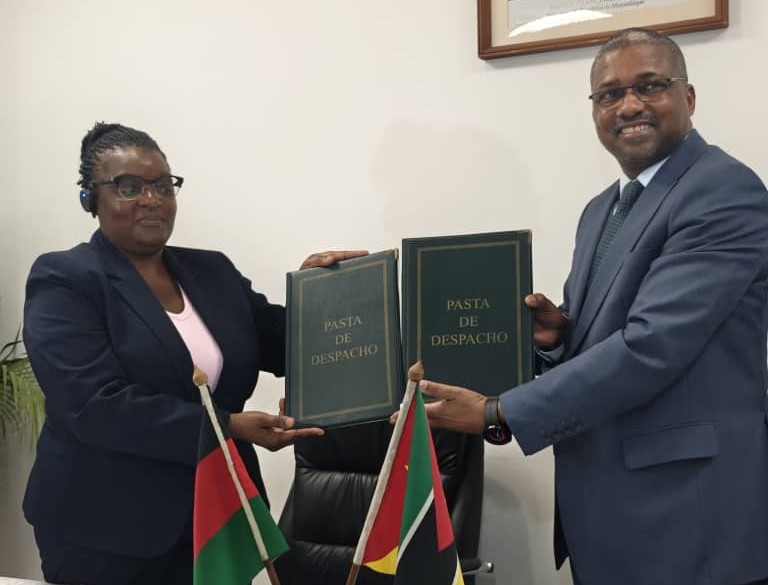
Malawi, Mozambique Sign MoU to Ease Cross-Border Agricultural Trade
Malawi and Mozambique signed a Memorandum of Understanding (MoU) in Tete, Mozambique, on Wednesday, to harmonise procedures for certifying and inspecting agricultural products, aiming to reduce delays and costs in cross-border agricultural trade. This significant development establishes a framework for joint action on sanitary and phytosanitary (SPS) measures, which are critical for protecting human, animal, and plant health, thereby streamlining the movement of agricultural goods between the two Southern African nations. The agreement directly addresses long-standing non-tariff barriers that have historically impeded efficient trade flows, promising a more predictable and less burdensome environment for agricultural exporters and importers.
The legal significance of this MoU for practitioners, businesses, and the public is substantial, as it signals a concerted effort by both governments to foster regional economic integration and enhance food security. For businesses involved in agricultural trade, this harmonisation means reduced administrative burdens, faster customs clearance, and potentially lower operational costs, making cross-border trade more attractive and competitive. Legal professionals will need to advise clients on the specific implications of these harmonised SPS measures, including compliance requirements, documentation changes, and dispute resolution mechanisms that may arise from the MoU's implementation. The public stands to benefit from a more consistent supply of agricultural products and potentially lower consumer prices due to increased efficiency.
From a legal context perspective, this MoU operates within the broader framework of international trade law, particularly the World Trade Organization's (WTO) Agreement on the Application of Sanitary and Phytosanitary Measures (SPS Agreement), which encourages members to harmonise SPS measures based on international standards. While an MoU is not a binding treaty in the same way, it represents a political commitment to align national regulations and practices, often paving the way for more formal agreements or legislative changes. The relevant national regulatory bodies, such as agricultural ministries and standards bureaus in both Malawi and Mozambique, will be instrumental in translating the MoU's principles into actionable procedures and regulations, impacting existing national laws governing food safety, plant health, and animal health.
The key parties involved are the governments of Malawi and Mozambique, specifically their respective ministries responsible for agriculture, trade, and standards. While the excerpt does not detail specific companies or individuals, the primary beneficiaries and affected parties will be agricultural producers, exporters, importers, and logistics providers operating between the two countries. The agreement underscores a collaborative approach to regional challenges, moving beyond individual national interests to address shared economic and health objectives. The outcome of this specific MoU's full implementation and its long-term impact on trade volumes is not yet reported, but the signing itself marks a positive step.
Practitioners advising clients engaged in or considering cross-border agricultural trade between Malawi and Mozambique should immediately review the details of this MoU once publicly available, paying close attention to the specific harmonised SPS procedures and any new certification requirements. It is crucial to monitor the legislative and regulatory developments in both jurisdictions that will follow this agreement, as national laws and implementing regulations will need to be updated to reflect the harmonised standards. Businesses should proactively assess their supply chains and compliance frameworks to leverage the anticipated efficiencies and avoid potential disruptions, ensuring their products meet the new, unified standards.
How does this affect you?
Get an AI analysis of this article grounded in your jurisdictions, practice areas, and any policy documents you've uploaded to Wansom.
Finish Reading the Full Story and the Expert Analysis.
Get the latest legal & regulatory intelligence in Malawi
Wansom is AI and can make mistakes.