
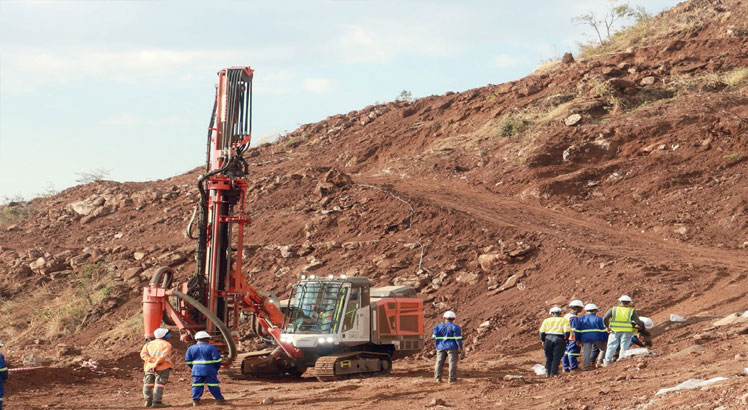
Malawi, World Bank: Finalize Mining Compact for Economic Growth
Summary
- Malawi has secured a new mining development compact with the World Bank Group.
- The compact aims to attract investment, create jobs, and boost economic growth through mineral resources.
- Malawi is one of eight nations that launched Metals and Minerals Country Compacts on October 16.
- These compacts establish priorities and measurable commitments to accelerate responsible mining development.
- The agreement is expected to influence future regulatory frameworks and investment incentives in Malawi's mining sector.
What Happened
Advisors to clients in the mining sector in Malawi should therefore closely monitor the detailed provisions and implementation plans stemming from this agreement.
Malawi has recently finalized a significant new agreement, a mining development compact, in collaboration with the World Bank Group. This strategic partnership is designed to invigorate the nation's mining sector by drawing in crucial investment, generating employment opportunities, and ultimately enhancing the contribution of its mineral resources to the overall economic growth of the country. The establishment of this Malawi World Bank mining compact marks a pivotal step in the nation's efforts to leverage its natural wealth more effectively.
This initiative positions Malawi among a select group of eight countries globally that have committed to a structured approach for advancing their mineral sectors. The formal launch of these broader "Metals and Minerals Country Compacts" took Pre-launch on October 16, signaling a concerted international effort towards more sustainable and impactful resource management. For Malawi, this specific compact represents a tailored framework to achieve its national development objectives through responsible resource extraction.
Global Framework for Responsible Mining
The broader initiative, under which Malawi's agreement falls, saw the simultaneous introduction of several "Metals and Minerals Country Compacts" on October 16. These compacts, spearheaded by the World Bank Group, are not merely declarations but rather structured frameworks that delineate specific priorities and establish measurable commitments for each participating nation. The overarching goal of these global compacts is to accelerate the development of responsible mining practices across these resource-rich countries.
By participating in the "October 16 Metals and Minerals Compacts," Malawi joins seven other nations in a shared commitment to fostering an environment conducive to ethical and sustainable mineral extraction. This collective approach aims to ensure that mining activities contribute positively to national economies while adhering to high standards of environmental stewardship and social responsibility. The emphasis on measurable commitments underscores a results-oriented strategy for transforming the mining landscape.
Strategic Importance for Malawi's Economy
The new Malawi mining development compact is poised to play a crucial role in unlocking the full potential of the nation's mineral resources for economic advancement. By focusing on attracting foreign and domestic investment, the compact directly addresses a key challenge in developing the mining sector. Such investment is essential not only for the exploration and extraction of minerals but also for the development of associated infrastructure and value-addition processes within the country.
Furthermore, the compact's explicit aim to create jobs is vital for a nation like Malawi, where economic opportunities are highly sought after. The strengthening of mineral resources' contribution to economic growth implies a shift towards a more diversified and robust national economy, moving beyond traditional sectors. This strategic alignment with the World Bank Group underscores a commitment to achieving sustainable "Malawi mineral resources economic growth" through carefully planned and executed mining initiatives. The focus on "responsible mining development Malawi" ensures that these economic benefits are realized in a manner that is both equitable and environmentally sound.
Implications for the Mining Sector
For legal professionals and entities operating within or considering investment in Malawi's mining sector, this new compact signals a significant shift in the regulatory and operational landscape. The specific priorities and measurable commitments established under this "Malawi World Bank mining compact" are expected to directly influence future governmental policies, legislative frameworks, and the incentives available for mining projects. This means that understanding the nuances of the compact will be critical for navigating the evolving environment.
Advisors to clients in the mining sector in Malawi should therefore closely monitor the detailed provisions and implementation plans stemming from this agreement. The compact's emphasis on accelerating responsible mining development suggests that compliance obligations, environmental standards, and social engagement requirements are likely to be strengthened or more rigorously enforced. Proactive engagement with these emerging frameworks will be essential for ensuring long-term operational success and maintaining a positive standing with regulatory bodies and local communities. This strategic initiative is designed to foster a more predictable and transparent investment climate, ultimately shaping the future of mineral extraction in Malawi.
Practical Implications
Lawyers advising clients in the mining sector in Malawi should monitor the specific commitments and priorities outlined in this new World Bank compact, as it will likely influence future regulatory frameworks, investment incentives, and compliance obligations for responsible mining development.
Source
How does this affect you?
Get an AI analysis of this article grounded in your jurisdictions, practice areas, and any policy documents you've uploaded to Wansom.
Finish Reading the Full Story and the Expert Analysis.
Get the latest legal & regulatory intelligence in Malawi
Wansom is AI and can make mistakes.