
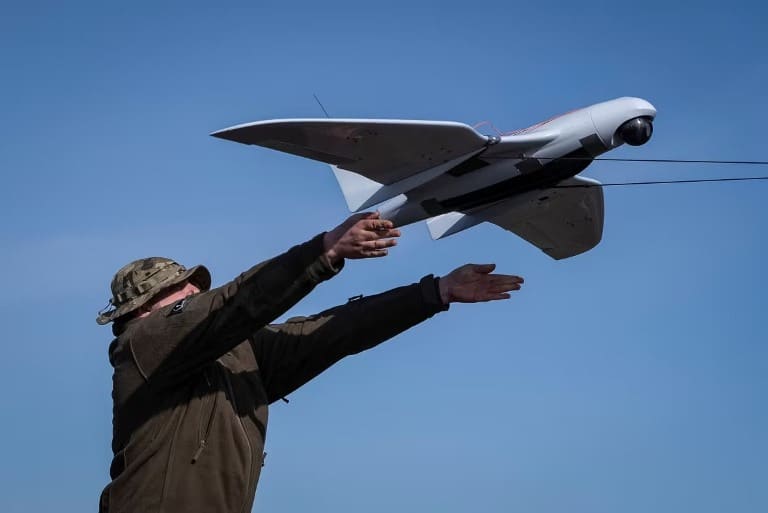
Sudan Files UN Complaint: Alleges Ukraine Supports RSF with Snipers, Trainers
Summary
- Sudan formally accused Ukraine of providing direct military support to the Rapid Support Forces (RSF) at the UN Security Council.
- Foreign Minister Mohieddin Salem stated that Ukrainian snipers and trainers are assisting the RSF, including drone operation for targeting civilian facilities.
- Sudan claims to possess material evidence, including captured or killed Ukrainian fighters and seized weapons.
- A Sudanese delegation previously informed the US about American weapons from Ukraine being used in Sudan.
- Salem warned that the conflict threatens regional and international security, exacerbating economic issues through illicit smuggling.
Sudan's Formal Accusations at the UN
Sudan has officially lodged a complaint with the United Nations Security Council, presenting what it describes as conclusive material evidence that Ukrainian snipers and trainers are providing direct support to the Rapid Support Forces (RSF) in their ongoing conflict against the Sudanese army.
Sudan has officially lodged a complaint with the United Nations Security Council, presenting what it describes as conclusive material evidence that Ukrainian snipers and trainers are providing direct support to the Rapid Support Forces (RSF) in their ongoing conflict against the Sudanese army. Foreign Minister Mohieddin Salem, in statements made on October 31, 2026, to Sputnik Africa, detailed these serious allegations. The formal documentation of these activities was reportedly submitted to the Security Council through Sudan's permanent representative stationed in New York, marking a significant diplomatic step.
Minister Salem further elaborated on the nature of this alleged foreign involvement, asserting that Ukrainian individuals are actively engaged in training RSF fighters. A key aspect of this training, according to Salem, involves instructing RSF personnel in the use of drones for the specific purpose of targeting civilian facilities. This claim points to a direct foreign contribution to the RSF's operational capabilities and tactics.
The Sudanese government's claims are reportedly substantiated by tangible evidence. Salem stated that some Ukrainian combatants involved in these activities have either been captured or killed during the hostilities. Additionally, Sudanese authorities have reportedly seized various weapons that are directly linked to these Ukrainian operatives, providing physical corroboration for the accusations leveled against Ukraine.
Broader Context of External Military Involvement
These recent accusations against Ukraine are not the first instance where Sudan has raised concerns about external military support and the flow of foreign arms into its internal conflict. Last year, a Sudanese delegation traveled to Washington D.C., where it reportedly presented evidence to the United States government. This evidence, according to Minister Salem, confirmed the presence and use of American-made weapons within Sudan that had allegedly leaked from Ukraine and other unspecified regions. Such claims highlight a persistent concern from Khartoum regarding the international dimensions of its domestic strife.
The foreign minister emphasized the grave threat that the continuation of the conflict poses to both regional and international security. He issued a strong call to the international community, urging it to provide robust support to Sudan's legitimate national institutions, specifically identifying the Sudanese army. This backing, Salem argued, is essential to prevent the conflict from spreading further and to mitigate the broader dangers it presents to stability beyond Sudan's borders.
Escalating Regional Instability and Economic Deterioration
Minister Salem articulated serious concerns regarding the negative repercussions of the war, noting that these effects are already becoming apparent in Sudan's neighboring countries. A primary concern he highlighted was the uncontrolled proliferation of weapons, which are reportedly falling into the hands of undisciplined groups. This uncontrolled distribution of arms represents a significant and escalating threat to peace and stability across the wider region, potentially fueling other conflicts or insurgencies.
Beyond security concerns, Salem also pointed to the severe economic impact driven by these armed factions. He detailed their involvement in illicit activities such as the smuggling of drugs, fuel, and essential food items. These illegal operations, according to the minister, directly contribute to rising prices within Sudan and further exacerbate the already deteriorating living conditions for its citizens, deepening the humanitarian crisis.
In light of these compounding challenges, Minister Salem issued a plea for concerted international efforts. He stressed the critical need for global collaboration to limit the expanding regional ramifications of the conflict, underscoring the urgency of a unified approach to address the multifaceted crisis emanating from Sudan.
Practical Implications
This development signals potential escalation of international legal and diplomatic pressure regarding the Sudanese conflict, requiring legal and compliance teams to monitor UN Security Council actions and assess evolving sanctions risks, particularly concerning any entities or individuals implicated in providing military support or arms to non-state actors in Sudan.
Source
How does this affect you?
Get an AI analysis of this article grounded in your jurisdictions, practice areas, and any policy documents you've uploaded to Wansom.
Finish Reading the Full Story and the Expert Analysis.
Wansom is AI and can make mistakes.