
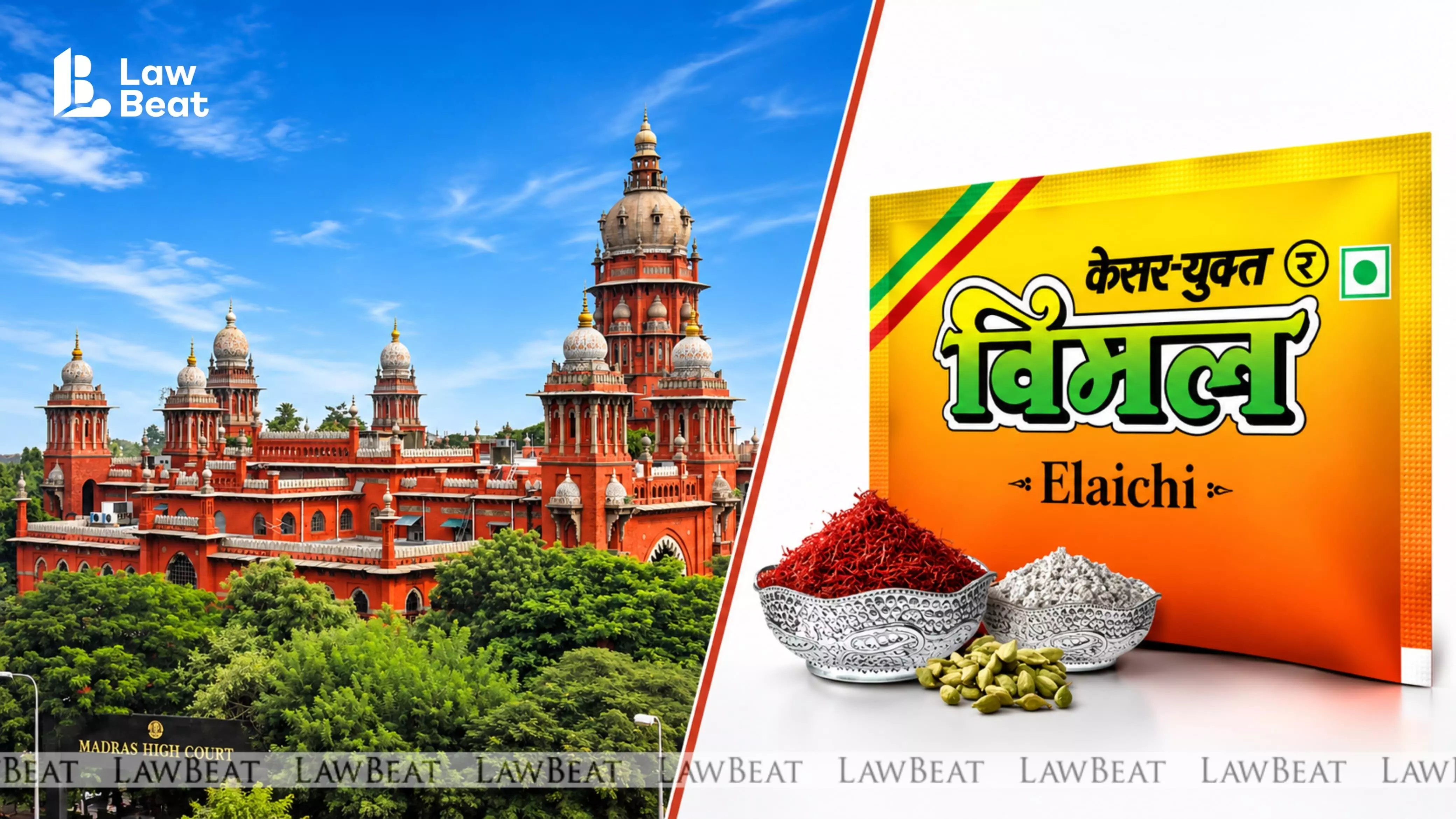
Madras High Court: Vimal Elaichi PIL Dismissed Over Surrogate Ad Claims
Summary
- The Madras High Court dismissed a Public Interest Litigation challenging "Vimal Elaichi" advertisements as surrogate pan masala promotion.
- The court ruled that determining if an advertisement is surrogate is a factual matter for statutory authorities, not the High Court, to decide first.
- The PIL was deemed premature because the petitioner had not approached regulatory bodies like the Food Safety Commissioner or the CCPA.
- The petitioner alleged violations of multiple acts, including the Food Safety and Standards Act and COTPA, based on media reports and show-cause notices from Maharashtra.
- The ruling emphasizes the necessity of exhausting administrative remedies before seeking judicial intervention in advertising compliance cases.
What Happened
The court's refusal to brand the Vimal Elaichi ads as surrogate pan masala promotion without prior regulatory review reinforces the established legal framework for addressing such grievances.
The Madras High Court recently dismissed a public interest litigation (PIL) that sought judicial intervention against advertisements for "Vimal Elaichi." On November 11, a Division Bench, comprising Chief Justice Sushrut Arvind Dharmadhikari and Justice G. Arul Murugan, determined that the question of whether a campaign constitutes surrogate advertising for pan masala is a factual matter that statutory authorities must first investigate. The court emphasized that a writ of mandamus could not be issued when the petitioner had not previously presented their grievance to the relevant regulatory bodies.
The PIL was filed by a resident of Madurai, targeting P.B. Agro LLP, identified as the sixth respondent, which produces both pan masala and Kesar Elaichi under the shared "Vimal" brand. Both products are officially registered as food items with the Food Safety and Standards Authority of India (FSSAI). The petitioner highlighted that Vimal Elaichi is extensively promoted across various media, including television, print, social media, and hoardings, featuring three prominent film actors.
Allegations of Surrogate Advertising
The petitioner's central argument was that the "Vimal" brand is primarily recognized for pan masala, making the significant expenditure on advertising cardamom (Vimal Elaichi) appear disproportionate. This led to the assertion that the advertising campaign was a form of surrogate advertising, designed to promote pan masala indirectly. The PIL alleged violations of several key Indian statutes and guidelines, including the Food Safety and Standards Act, 2006; the Advertising and Claims Regulations, 2018; the Consumer Protection Act, 2019; the CCPA Guidelines of 2022; the Cigarettes and Other Tobacco Products Act, 2003 (COTPA); and the Cable Television Networks Rules, 1994.
To support these claims, the petitioner referenced media reports from August 2026, detailing show-cause notices issued by the Maharashtra Food and Drug Administration to the three actors involved. These notices suggested a link between the Vimal Elaichi advertisements and Vimal Pan Masala, the latter being prohibited in Maharashtra since July 13, 2026. The petitioner also pointed out that while the Commissioner of Food Safety in Tamil Nadu had issued orders under Section 30 of the 2006 Act concerning tobacco and nicotine-based chewable products, no action had been taken by Tamil Nadu authorities against P.B. Agro LLP. The petitioner sought a directive for various government and regulatory bodies, including the Union Health Ministry, FSSAI, and the Central Consumer Protection Authority (CCPA), to investigate and act against the company for alleged breaches, specifically citing Section 53 of the Food Safety and Standards Act, Section 5 read with Section 22 of COTPA, and Rule 7 of the Cable Television Networks Rules.
Court's Rationale and Legal Precedent
The High Court's decision hinged on the principle that public interest litigation is an extraordinary legal remedy, not to be invoked prematurely. The Bench, noting that the petitioner had not approached the Food Safety Commissioner or the CCPA prior to filing, deemed the petition premature. The court observed that the case relied heavily on media reports, social media discussions, and the "possibility" of wrongdoing, rather than concrete findings from regulatory bodies. The judges explicitly stated that "A writ court does not order inquiries on the chance that something may turn up," underscoring the need for a factual basis established through proper channels.
Senior Advocate Santhosh Paul, representing the petitioner, had contended that the Vimal Elaichi ads were "surrogate on its face" and that the Maharashtra reports established a prima facie case. However, the court maintained that the factual determination of surrogate advertising, particularly under statutes like the Food Safety Standards Act advertising provisions and the CCPA Guidelines 2022 advertising rules, falls within the purview of specialized administrative authorities. The court's refusal to brand the Vimal Elaichi ads as surrogate pan masala promotion without prior regulatory review reinforces the established legal framework for addressing such grievances.
Why This Ruling Matters
This ruling from the Madras High Court carries significant implications for how challenges to advertising compliance, particularly regarding surrogate advertising in India, are pursued. It firmly establishes that judicial intervention through a PIL dismissal administrative remedies approach is generally not appropriate when statutory regulatory bodies, such as the FSSAI or the CCPA, have not yet had the opportunity to investigate and make factual determinations. The court's stance reinforces the doctrine of exhaustion of administrative remedies, requiring petitioners to first engage with the designated regulatory mechanisms before seeking relief from the High Court.
For legal professionals advising on advertising compliance, this judgment highlights the importance of navigating established regulatory channels. It underscores that claims of surrogate advertising, especially concerning products like Vimal Elaichi and potential links to pan masala or other prohibited goods under COTPA surrogate advertising India regulations, must first be substantiated through the administrative processes designed for such inquiries. The court's refusal to act on speculative claims or media reports without prior regulatory findings sets a clear precedent, guiding future litigants to utilize the appropriate statutory avenues for redress.
Practical Implications
Lawyers advising on advertising compliance should note that Indian High Courts will likely dismiss public interest litigations challenging surrogate advertising if administrative remedies with statutory authorities like FSSAI or CCPA have not been exhausted. This ruling reinforces the principle of exhausting regulatory channels before seeking judicial intervention for factual determinations on advertising practices.
Source
How does this affect you?
Get an AI analysis of this article grounded in your jurisdictions, practice areas, and any policy documents you've uploaded to Wansom.
Finish Reading the Full Story and the Expert Analysis.
Get the latest legal & regulatory intelligence in India
Wansom is AI and can make mistakes.