
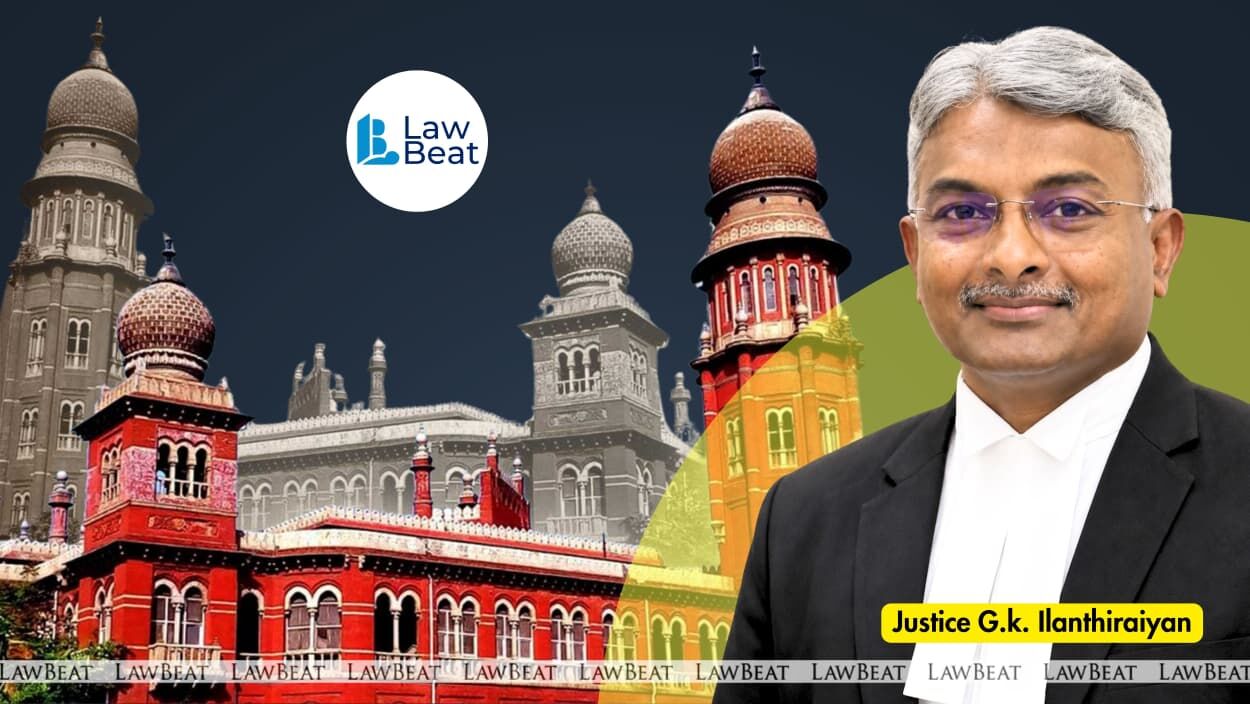
Madras High Court: Quashes Hijab Protest Charge Sheet Over Unlawful Assembly
Summary
- The Madras High Court quashed a charge sheet against eight individuals involved in a 2022 protest against the Karnataka Hijab ban.
- Justice G.K. Ilanthiraiyan ruled that "mere protest" is insufficient to attract charges under IPC Sections 143, 341, and 153, which relate to unlawful assembly, wrongful restraint, and promoting enmity.
- The court found no evidence that the protestors used criminal force or had specific criminal intent, which are necessary elements for these charges.
- The ruling emphasized the constitutional protection for peaceful assembly and expression, citing the Supreme Court's State of Haryana v. Bhajan Lal precedent for quashing proceedings lacking prima facie evidence.
- The decision reinforces that compelling an accused to undergo trial without disclosed offenses is futile and infringes upon their rights.
Court Quashes Hijab Protest Charges
The Madras High Court recently intervened in a case stemming from a 2022 public demonstration, quashing criminal proceedings against eight individuals. On August 20, Justice G.K. Ilanthiraiyan allowed a criminal original petition, effectively setting aside the charge sheet filed against the petitioners in connection with a protest against the Karnataka Hijab ban. The court determined that "mere protest" alone does not suffice to warrant charges related to unlawful assembly, wrongful restraint, or promoting enmity.
The case, titled Abbas @ Bag Abbas And Ors v. The State, originated from an incident on March 26, 2022, in Selvapuram, Coimbatore. According to the prosecution, the petitioners, alongside others affiliated with the Tamil Nadu Muslim Munnetra Kazhagam, gathered to protest the Hijab ban affecting Muslim female students in Karnataka. It was alleged that during this assembly, roads were blocked, slogans were raised, and inflammatory speeches were delivered. Consequently, a case was registered at the Selvapuram Police Station, invoking Sections 143, 341, and 153 of the Indian Penal Code (IPC).
The Legal Challenge and State's Stance
The eight petitioners subsequently approached the High Court under Section 528 of the Bharatiya Nagarik Suraksha Sanhita (BNSS), seeking to have the charge sheet quashed. They asserted their innocence, contending that the allegations presented by the prosecution did not adequately establish the commission of the alleged offenses. In opposition, the State argued that the investigation was nearing completion, a final report had already been submitted, and the trial court had taken cognisance of the matter, suggesting the proceedings should continue.
The High Court meticulously examined the legal definition of "unlawful assembly" as outlined in the IPC. This definition specifies that an assembly of five or more persons becomes unlawful if its common object includes using or demonstrating criminal force against the government or a public servant, resisting the execution of any law, committing an offense, or employing criminal force to interfere with another individual's rights. The court's scrutiny focused on whether the material evidence supported these specific elements.
Court's Rationale and Precedent
Upon reviewing the evidence, the court concluded that the available material did not indicate that the accused had resorted to criminal force to commit mischief, perpetrate an offense, unlawfully seize property, or obstruct another person's rights. This critical finding led the court to declare that a simple act of protest, without these accompanying elements of criminal force or intent, is insufficient to attract charges under IPC Sections 143, 341, and 153. The ruling underscored the constitutional safeguards for peaceful assembly and freedom of expression, enshrined in Part III of the Indian Constitution.
The court further referenced a series of Supreme Court decisions affirming that the right to freely assemble and express views is constitutionally protected, with any restrictions needing to be reasonable. In considering its authority to quash criminal proceedings, the High Court drew upon the principles established in the landmark Supreme Court case, State of Haryana v. Bhajan Lal. This precedent allows for the quashing of proceedings when allegations, even if taken at face value, do not prima facie constitute an offense, or when uncontroverted allegations and collected material fail to disclose the commission of an offense.
Why It Matters for Peaceful Protest
The Madras High Court emphasized that while the power to quash proceedings must be exercised with caution, compelling an accused to endure a trial when the foundational materials do not reveal an offense would be both futile and an infringement upon their fundamental rights. Consequently, the court allowed the petition, quashing the charge sheet that was pending before the Judicial Magistrate No.V, Coimbatore, specifically concerning the petitioners in this case.
This judgment provides a significant reinforcement of the right to peaceful protest in India. It clarifies that participation in a demonstration, even if it involves blocking a road or raising slogans, does not automatically constitute criminal offenses like unlawful assembly or wrongful restraint, unless specific elements of criminal force or intent are demonstrably present. The ruling sets an important standard for prosecuting authorities, highlighting the high bar for criminalizing acts of protest and reaffirming constitutional protections against arbitrary charges.
Practical Implications
This ruling provides a significant precedent for lawyers defending individuals accused of unlawful assembly or similar charges stemming from public protests in India, particularly under IPC Sections 143, 341, and 153. It reinforces that 'mere protest' without specific criminal intent or force is constitutionally protected and insufficient to attract such charges, offering a strong basis for quashing proceedings where allegations lack these elements.
Source
Source: Original reporting via LawBeat
How does this affect you?
Get an AI analysis of this article grounded in your jurisdictions, practice areas, and any policy documents you've uploaded to Wansom.
Finish Reading the Full Story and the Expert Analysis.
Wansom is AI and can make mistakes.