
Madras HC OBC Caste Census Policy: Court Affirms Executive Discretion
Summary
- The Madurai Bench of the Madras High Court ruled on August 27, 2026, that including the OBC category in the Census is a government policy decision.
- The court declined to issue directions to the Centre for OBC enumeration, disposing of two writ petitions seeking such inclusion.
- Judges emphasized that courts cannot dictate the nature of government policy, especially when Census procedures have already commenced.
- While the ruling did not quash the September 15, 2020 notification, the Union Government has since announced that the upcoming Census 2026/2027 will include caste enumeration for all categories.
- The case, Thavamanidevi And Anr v. The Principle Secretary, highlighted the executive's discretion in determining Census methodology.
Judicial Stance on Caste Census Policy
By disposing of these petitions, the Madras High Court reinforced the principle that policy formulation, particularly concerning the intricate details of a nationwide exercise like the Census, remains primarily the prerogative of the executive branch.
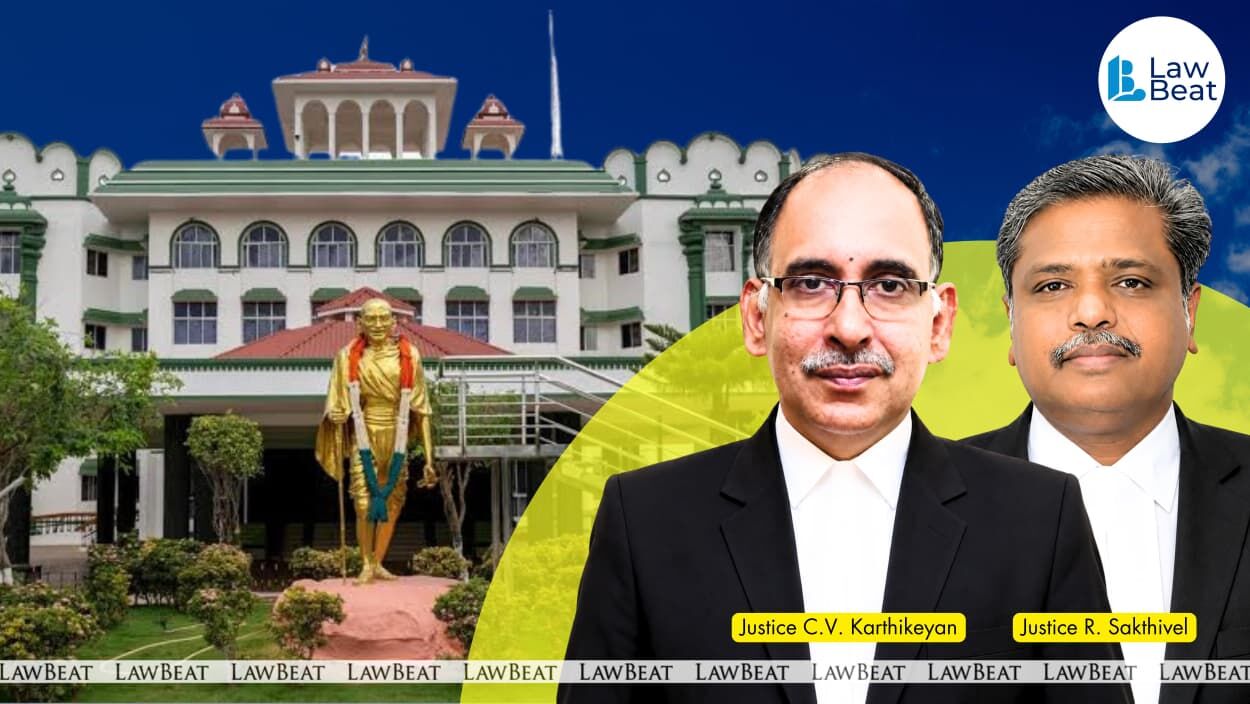
The Madurai Bench of the Madras High Court recently affirmed the executive's discretion in matters of caste enumeration, specifically declining to mandate the inclusion of the Other Backward Classes (OBC) category in the national Census. In a significant ruling delivered on August 27, 2026, a Division Bench comprising Justice C.V. Karthikeyan and Justice R. Sakthivel held that decisions regarding the enumeration of OBCs or any other caste fall squarely within the domain of government policy. This judicial stance underscores the limited scope for courts to intervene in the Centre's approach to data collection methodologies for the decennial Census.
The court's decision came in response to two separate writ petitions that sought judicial directives for the inclusion of the OBC category in the ongoing Census operations. By disposing of these petitions, the Madras High Court reinforced the principle that policy formulation, particularly concerning the intricate details of a nationwide exercise like the Census, remains primarily the prerogative of the executive branch. This outcome provides clarity on the judicial boundaries concerning the Madras HC OBC caste census policy.
The Petitions and Government Policy
The legal challenge originated from two distinct writ petitions, both aiming to compel the Union Government to include the OBC category in the Census. One petition, initially filed in 2020, specifically requested a directive for authorities to consider a representation advocating for the inclusion of OBCs in both the House Listing Operation (HLO) and Population Enumeration (PE) phases, prior to the commencement of the Census 2021. This petition highlighted the desire for a structured OBC enumeration policy decision.
The second petition directly challenged a notification issued on September 15, 2020, seeking its annulment. This notification had formalized the Union Government’s policy decision to cease caste-wise population enumeration for all categories except Scheduled Castes and Scheduled Tribes. Petitioners in this case also sought a judicial direction to consider their representation for the inclusion of OBCs in the Census, thereby pushing for a broader Caste Census India judicial review. The collective aim was to secure judicial intervention to ensure the Census 2021 OBC inclusion.
Limits of Judicial Intervention
In its detailed order, the Madras High Court firmly reiterated that the determination of whether to include the OBC category or any other specific caste in the Census constitutes a policy decision. The Bench emphasized that it is not within the judiciary's purview to dictate the nature of policies to be adopted by the government. This observation is central to understanding the court's perspective on government policy judicial interference.
Furthermore, the court noted that individuals participating in the Census retain the autonomy to choose whether or not to disclose their caste, asserting that no compulsion can be imposed in this regard. The judges also took into account that the new Census procedure had already commenced, and the established rules governing the current enumeration process would necessarily prevail. Consequently, the court declined to issue any directions that would alter the Centre's existing methodology, disposing of both writ petitions without imposing costs and closing all connected miscellaneous petitions. Although the September 15, 2020 notification, which outlined the government's policy to cease caste-wise enumeration for all categories except Scheduled Castes and Scheduled Tribes, was not quashed by the court, the Union Government has since announced that the upcoming Census 2026/2027 will include caste enumeration for all categories.
Context of OBC Enumeration Debates
The High Court's ruling emerges amidst an ongoing national discourse regarding the methodology for recording caste information beyond the Scheduled Castes and Scheduled Tribes categories. Reports concerning the Census methodology had previously indicated that the Centre had considered incorporating existing Central and State OBC lists. However, the government ultimately opted for an "open-column approach," allowing respondents to enter caste names freely rather than selecting from a predefined list.
Officials reportedly considered the challenge that existing OBC lists do not always align uniformly with individual caste identities, often encompassing broader social or occupational groupings. This particular approach has drawn criticism from various quarters advocating for a more structured and comprehensive method of OBC enumeration. However, the Madras High Court's jurisdiction in the case of Thavamanidevi v. Principle Secretary was strictly limited to evaluating whether it could legally direct the inclusion of the OBC category, rather than adjudicating the technical merits or demerits of different Census software methodologies.
Practical Implications
This ruling confirms the limited scope for judicial intervention in the Centre's policy decisions regarding caste enumeration in the Census. Lawyers advising on data collection, social justice, or constitutional challenges related to census methodology should understand that courts are unlikely to compel specific inclusion criteria for OBCs, reinforcing the executive's discretion.
Source
How does this affect you?
Get an AI analysis of this article grounded in your jurisdictions, practice areas, and any policy documents you've uploaded to Wansom.
Finish Reading the Full Story and the Expert Analysis.
Wansom is AI and can make mistakes.