
Madhya Pradesh HC: Strikes 27% OBC Reservation, Restores 14%
Summary
- The Madhya Pradesh High Court struck down the 27% reservation for Other Backward Classes (OBCs) in public employment and higher education.
- The court restored the OBC quota to 14%, finding no exceptional circumstances to justify exceeding the 50% reservation ceiling.
- The ruling in Ashita Dubey v. State of Madhya Pradesh declared the MP Lok Seva Amendment Act 2019 unconstitutional.
- Appointments made under the 27% quota before September 29, 2022, are protected and will be adjusted in future recruitment drives.
- Appointments made after September 29, 2022, exceeding the 14% quota, are considered null and void for the excess portion.
High Court Reverts OBC Quota to 14%
The court explicitly stated that the increase from 14% to 27% for OBCs in public employment and higher education was not justified by the available data or any extraordinary conditions.
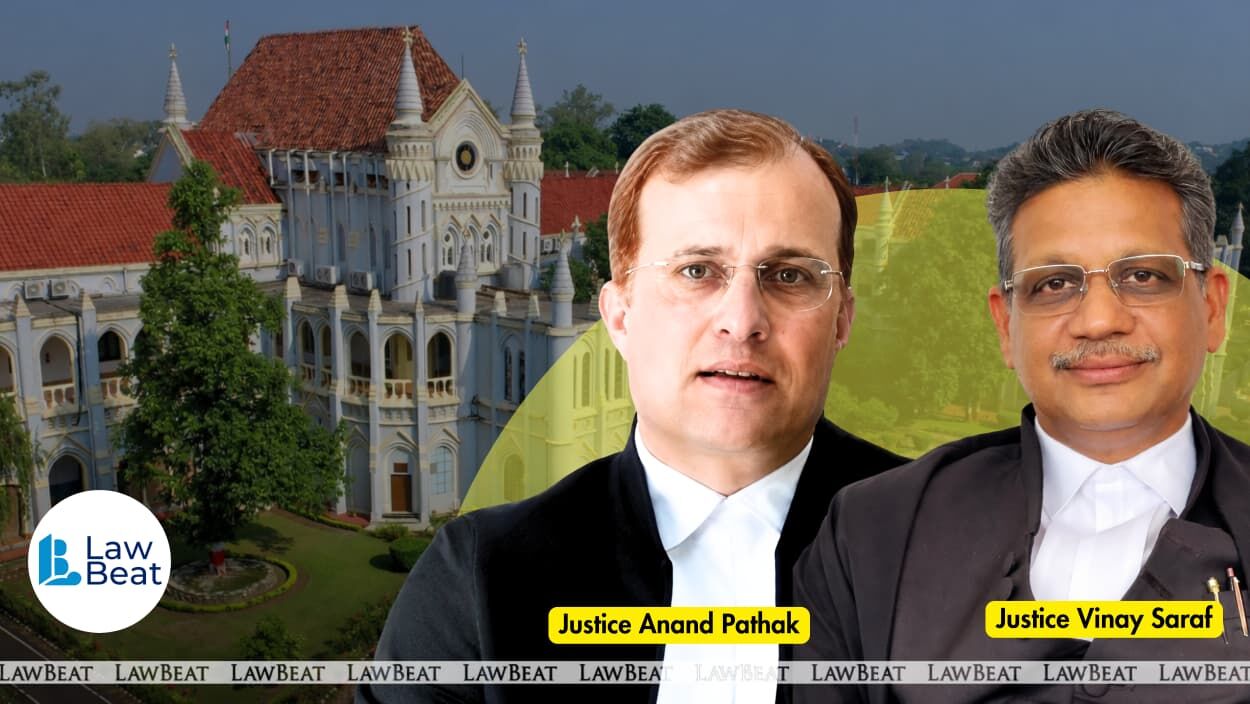
The Madhya Pradesh High Court has invalidated the state's decision to raise the reservation for Other Backward Classes (OBCs) in public employment and higher education from 14% to 27%. This significant ruling, delivered on October 9 by a Division Bench comprising Justice Anand Pathak and Justice Vinay Saraf, restores the OBC quota to its previous 14% level.
The court's decision came after adjudicating a series of petitions, notably Ashita Dubey and Others v. State of Madhya Pradesh and Others, which challenged the 2019 ordinance and subsequent amendment that had implemented the increased quota. The bench concluded that the state had failed to provide adequate justification for this expansion, deeming the enhanced reservation unsupported by the prevailing circumstances.
Unconstitutional Expansion of Reservation
Central to the court's reasoning was the absence of extraordinary conditions that would warrant a departure from the 50% reservation ceiling, a principle firmly established by the Supreme Court in the landmark Indra Sawhney v. Union of India case and reaffirmed in Jaishri Laxmanrao Patil v. Chief Minister. The court explicitly stated that the increase from 14% to 27% for OBCs in public employment and higher education was not justified by the available data or any extraordinary conditions.
The bench clarified that the fundamental entitlement of OBCs to reservation was not in question. Instead, the core issue revolved around the *extent* of this reservation. Data presented to the court indicated that OBCs were already adequately represented in both higher education and public services for the purposes of Article 16(4) of the Constitution, further undermining the state's rationale for the increased quota.
Legislative Actions and Challenges
The dispute originated with Madhya Pradesh Ordinance No. 2 of 2019, issued on March 8, 2019, which initially raised the OBC reservation to 27%. This was subsequently codified into law through the Madhya Pradesh Lok Seva (Scheduled Castes, Scheduled Tribes and Other Backward Classes Reservation) Amendment Act, 2019. Petitioners, including those in the lead case of Ashita Dubey, argued that this enhanced quota pushed the total reservation beyond the constitutionally mandated 50% limit, thereby infringing upon fundamental rights to equality and equal opportunity in public employment.
The Ashita Dubey petition, specifically, arose in the context of medical admissions for NEET-PG 2019, with general category candidates challenging the change shortly before counselling was scheduled to commence. The court ultimately declared the 2019 ordinance and the MP Lok Seva Amendment Act 2019 unconstitutional, citing not only the lack of substantive justification for the increase but also shortcomings in the legislative process, suggesting the measure was prepared with undue haste.
Impact on Public Employment and Higher Education
The ruling includes crucial directives regarding appointments and admissions made under the now-struck-down 27% OBC reservation. The court has protected appointments of OBC candidates made under the enhanced quota up to September 29, 2022, the date when the State's General Administration Department clarified the position on interim relief. These individuals will retain their positions, with the additional posts being adjusted over the next three recruitment cycles.
However, appointments made after September 29, 2022, that exceeded the 14% OBC quota are deemed null and void to the extent of the excess. The court has instructed relevant recruiting bodies, such as the Madhya Pradesh Public Service Commission and the Employees’ Selection Board, to revise results accordingly and fill the affected 13% posts from the unreserved category, ensuring compliance with the restored 14% OBC quota in Madhya Pradesh.
Practical Implications
Lawyers and compliance officers in Madhya Pradesh must immediately update their understanding of OBC reservation in public employment and higher education from 27% back to 14%. They should review the validity of appointments and admissions made after September 29, 2022, that relied on the 27% quota, as these may now be deemed null and void to the extent of the excess.
Source
How does this affect you?
Get an AI analysis of this article grounded in your jurisdictions, practice areas, and any policy documents you've uploaded to Wansom.
Finish Reading the Full Story and the Expert Analysis.
Get the latest legal & regulatory intelligence in India
Wansom is AI and can make mistakes.